


Amid escalating tensions between the United States and Iran, global crude oil prices have once again surged past the $100 per barrel mark, reviving concerns over fuel inflation in import-dependent economies like India. The volatility follows earlier spikes to nearly $120 per barrel before briefly easing on ceasefire hopes. However, uncertainty persists as the strategically vital Strait of Hormuz remains largely disrupted, tightening global supply lines.
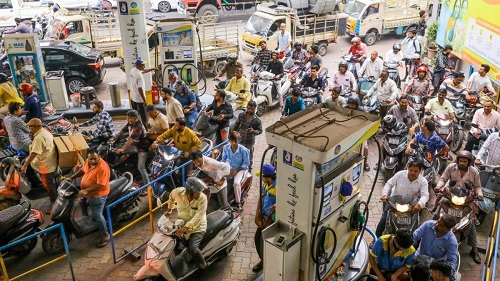
In this backdrop, a report has stirred public anxiety by claiming that Indian refineries are suffering monthly losses of around Rs 27,000 crore due to elevated crude prices. It further suggested that petrol and diesel prices could rise sharply by Rs 25–28 per litre, once the ongoing state elections conclude.
According to the report, the widening gap between international crude procurement costs and domestic retail fuel prices has placed immense financial pressure on oil marketing companies (OMCs). Despite rising global prices, petrol and diesel rates in India have remained largely unchanged—allegedly due to the ongoing election cycle in states like West Bengal and Tamil Nadu.
The report argued that such a pricing gap is unsustainable and hinted that a correction is inevitable. However, it added that any increase would likely be implemented gradually in phases to prevent sudden inflationary shocks and reduce public backlash. This staggered approach, it said, could see fuel prices rise incrementally over several weeks or months.
The Ministry of Petroleum and Natural Gas has firmly dismissed these claims, labeling them as “mischievous and misleading.” In an official statement, the ministry clarified that no proposal to increase petrol or diesel prices is currently under consideration.
“These news items are designed to create fear and panic amongst citizens,” the ministry stated, urging the public not to be swayed by speculative reports. It emphasized that India remains among the few countries where fuel prices have not risen in the past four years, despite global volatility.
To shield consumers from the global oil shock, the government has taken several steps. These include a reduction in excise duty by Rs 10 per litre and the reinstatement of windfall taxes on oil exports. Such measures aim to offset the financial strain on OMCs while maintaining price stability at the retail level.
The government also reiterated its commitment to insulating Indian consumers from global price shocks through strategic fiscal interventions and coordination with public sector oil companies.
While the official stance seeks to calm public fears, the situation remains delicate. India imports over 80% of its crude oil requirements, making it highly vulnerable to geopolitical disruptions and price spikes. With the Strait of Hormuz playing a critical role in global oil transit, any prolonged disruption could continue to exert pressure on supply chains and pricing dynamics.
For now, consumers may find relief in the government’s assurances. However, with global uncertainties still looming large, the trajectory of fuel prices will remain closely tied to geopolitical developments and policy responses in the coming weeks.



















Leave Your Comment