


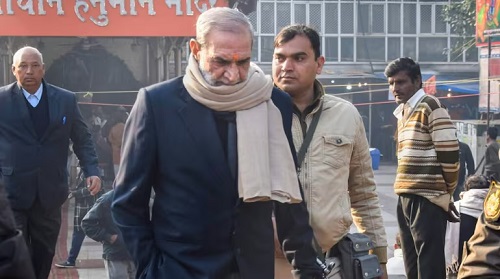
On Wednesday, a Delhi court delivered a significant verdict, convicting Congress MP Sajjan Kumar in connection with the murders of two individuals during the notorious anti-Sikh riots that shook Delhi in the aftermath of Prime Minister Indira Gandhi's assassination in 1984. Special Judge Kaveri Baweja pronounced the conviction and scheduled the sentencing arguments for February 18. Kumar, who was brought from Tihar jail for the verdict, faces legal repercussions following the court's decision.
Incident Details: The case centers around the brutal killings of Jaswant Singh and his son Tarundeep Singh on November 1, 1984, in the Saraswati Vihar area. Initially registered at Punjabi Bagh police station, the investigation later fell under the jurisdiction of a special investigation team. The prosecution alleged that a large mob, armed with lethal weapons, carried out extensive looting, arson, and destruction targeting Sikhs in retaliation for Indira Gandhi's assassination.
Legal Proceedings: The court had framed charges against Sajjan Kumar on December 16, 2021, citing sufficient "prima facie" evidence against him. According to the prosecution's case, the mob attacked the residence of Jaswant Singh's wife, resulting in the deaths of her husband and son. Additionally, the mob reportedly looted valuable items and set their house on fire. The court's decision to place Kumar on trial was based on findings suggesting his active participation and leadership in the violent mob.
Conclusion: The verdict marks a pivotal moment in the legal aftermath of the tragic events of 1984, reflecting the judiciary's commitment to delivering justice despite the passage of decades. The case against Sajjan Kumar underscores the enduring quest for accountability and closure for the victims and their families affected by one of the darkest chapters in India's recent history. With sentencing arguments slated for February 18, the repercussions of this conviction are poised to resonate through both legal and societal dimensions, shedding light on the pursuit of justice and historical memory in India.




















Leave Your Comment