


India remains central to the success of the Quad as it can shape the strategic direction of the group while promoting stability in the Indo-Pacific. With its active participation and diplomatic leadership, India has the capacity to respond effectively to regional challenges, positioning itself as a natural leader, and as Quad members recognize, India’s budding positioning in the Indo-Pacific remains crucial for achieving the group’s overarching objectives.
India: The Anchor for Indo-Pacific Security
India’s geographic and political positioning makes it the anchor for Indo-Pacific security. As the only Quad member located within the region, India's proximity to critical maritime chokepoints, such as the Strait of Malacca, underscores its crucial role in regional security and trade. This unique positioning places India at the heart of the Indo-Pacific's security architecture, maintaining the balance of power. With a robust defence framework and an expanding blue-water navy, India offers the Quad a formidable partner in countering China’s naval presence. This importance is evident in India’s active engagement in joint military exercises, notably the Malabar Naval Exercise, demonstrating operational interoperability with fellow Quad members to secure vital sea lanes.
Strategic Importance of India in the Indo-Pacific
India’s strategic significance stems from its command over key sea routes and its growing influence within the region. Positioned at the juncture of the Indian and Pacific Oceans, India ensures the openness and security of maritime trade routes essential for global commerce. The Strait of Malacca, one of the world's most important maritime passages, remains under India's watchful eye, reinforcing its role in supporting the Quad’s vision of a free, open, and inclusive Indo-Pacific. India’s control over these chokepoints is crucial for global energy supplies, enhancing its geopolitical weight and the Quad’s collective ability to manage maritime security.
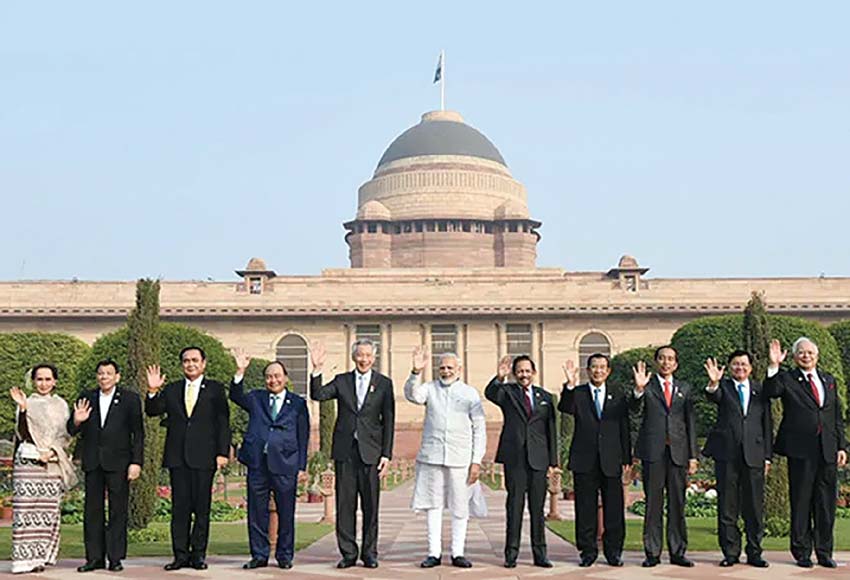
Moreover, India’s military and economic influence is vital in counterbalancing China’s assertiveness, particularly in maritime zones where China seeks to expand its footprint. By reinforcing a rules-based order, India supports regional stability, aligning seamlessly with the Quad’s framework for countering Chinese influence. Its involvement in multilateral security initiatives, naval capabilities, and efforts to safeguard critical sea routes demonstrate India's strategic centrality to Indo-Pacific security. These initiatives address the Quad’s collective interest in maintaining equilibrium in the region while promoting cooperative and inclusive frameworks for development and prosperity.
The recent Quad Summit has underscored India’s importance, with a focus on its ability to secure vital sea lanes. During the summit, the United States pledged increased maritime collaboration and technical support to advance India’s naval capabilities. This strengthened partnership included commitments to more robust naval exercises, increased intelligence sharing, and cooperation on securing critical maritime corridors. India's role as the protector of Indo-Pacific maritime security solidifies its standing within the Quad and affirms its indispensable contribution to the group’s overarching objectives in the region.
India’s Role in Indo-Pacific Security Architecture
India has steadily integrated itself into the broader Indo-Pacific security framework, aligning its defence policies with Quad partners to counter shared threats. Its leadership in the Indo-Pacific Oceans Initiative (IPOI) underscores its commitment to maritime security, resource management, and economic connectivity. By partnering with Australia, Japan, and the United States in initiatives like the Indo-Pacific Maritime Domain Awareness (IPMDA), India enhances regional surveillance and law enforcement capabilities essential for maintaining a free and open Indo-Pacific.
The centrality of India in the Indo-Pacific security architecture stems from its strategic location, military capabilities, and robust diplomatic engagement. India's participation in multilateral initiatives, particularly the Quad, showcases its dedication to regional stability. The Malabar naval exercises, conducted with Japan, Australia, and the United States, serve as a testament to India’s commitment to collective security. Moreover, India's effective response to crises, such as the 2004 Indian Ocean Tsunami, illustrates its capacity to shape regional security dynamics. Strategic partnerships, like the Expanded Partnership for Quality Infrastructure (EPQI) with Japan, bolster maritime security, solidifying India’s leadership role in the Indo-Pacific.
India’s contributions to the Indo-Pacific security architecture manifest through defence partnerships and strategic engagements with Quad members. At the 2024 Quad Summit, India's pivotal role in strengthening the Indo-Pacific’s defence infrastructure was highlighted. The United States committed to increased joint military exercises and advanced technology sharing, reinforcing India’s status as a central player in shaping future Quad security operations. This focus on maritime domain awareness and joint patrols cements India’s strategic importance.
Influence in the Indian Ocean Region (IOR)
India's strategic interests in the Indian Ocean Region (IOR) position it as a leader. With its vast coastline and island territories, India is ideally situated to monitor and control maritime traffic across one of the world’s busiest trade routes. The country has bolstered its maritime capabilities through bilateral and multilateral partnerships, effectively deterring piracy, illegal fishing, and foreign military expansion. The Quad's engagement with India in IOR security enhances collective maritime domain awareness, crucial for regional stability against Chinese encroachments.
India’s strategic engagement in the IOR is vital for the Quad's success, promoting regional stability. Through initiatives like SAGAR (Security and Growth for All in the Region), India fosters cooperation and maritime security. Its leadership in multilateral forums, such as the Indian Ocean Rim Association (IORA), along with strong bilateral relations with smaller IOR nations, stabilises the region and counters China’s increasing influence. Additionally, India’s commitment to humanitarian aid, disaster management, and infrastructure investments strengthens its influence in the IOR, aligning with the Quad's goals of ensuring a free and open Indo-Pacific.
At the 2024 Quad Summit, India's role as the guardian of the IOR was reiterated, with the United States committing to deeper cooperation with India's initiatives. Prime Minister Modi highlighted India's achievements in securing the region, receiving strong support for expanded maritime surveillance and increased infrastructure investment in IOR countries. This resulted in new agreements for joint efforts to monitor key shipping lanes and bolster regional security. As India continues to assert its leadership in the IOR, its contributions remain indispensable to the Quad’s overarching strategy for regional security and stability.
Act East Policy and Diverse Engagement Paradigms
India's "Act East Policy" is pivotal to its Indo-Pacific strategy, extending its influence beyond South Asia into Southeast Asia. By forging strong diplomatic and economic ties with ASEAN nations, India reinforces its role as a stabilising force in the region. This policy aligns seamlessly with the Quad’s broader objective of fostering inclusive and rules-based frameworks across the Indo-Pacific. Collaborations with key regional actors like Vietnam and Indonesia further illustrate India’s ability to diversify engagement paradigms, strengthening collective resilience against external pressures.
The Act East Policy actively supports the Quad's strategic goals by enhancing engagement with Southeast and East Asian nations. Building economic, political, and security ties with ASEAN, Japan, and South Korea strengthens regional stability. India’s involvement in forums such as the ASEAN Regional Forum (ARF) and East Asia Summit (EAS) amplifies its diplomatic presence, directly aligning with the Quad’s objectives of promoting a stable and prosperous Indo-Pacific. Additionally, the IPOI bolsters maritime security and infrastructure development, countering China's increasing influence. Importantly, India’s approach avoids direct confrontation with China, supporting the Quad’s goals while maintaining strategic autonomy.
The emphasis on India's Act East Policy during the 2024 Quad Summit underscored its significance in aligning engagements with Southeast Asian nations to the Quad's overarching goals of stability and cooperation. The United States expressed commitment to support India's diplomatic initiatives in Southeast Asia, while India secured strategic partnerships with Quad nations aimed at enhancing trade, infrastructure, and defence cooperation with ASEAN countries. This positions India as a central figure in the Indo-Pacific geopolitical landscape, reinforcing the collective capacity to navigate regional challenges.
Engagement with Key Regional Players
India's diplomatic engagements with critical partners such as Japan, Australia, and the United States have transformed the Quad into a formidable coalition. Through enhanced economic cooperation, defence agreements, and intelligence sharing, India and its Quad partners have established a network of alliances aimed at counterbalancing China’s growing influence. The deepening bilateral ties with Japan and Australia, both integral members of the Quad, have strengthened trilateral frameworks supporting regional infrastructure development, cybersecurity initiatives, and capacity-building efforts within the Indo-Pacific. These relationships complement the Quad's mission to provide viable alternatives to China's Belt and Road Initiative (BRI), ensuring that regional partners can pursue options aligned with their interests.
India's growing ties with regional players like Taiwan and Japan underscore its strategic significance within the Quad framework. Defence agreements, joint military exercises, and economic cooperation with these nations bolster the Quad’s security structure while enhancing India’s regional standing. Notably, India maintains a careful balance with its 'One China' policy while engaging with Taiwan, showcasing its nuanced approach to regional security. Partnerships with South Korea and Vietnam further extend India’s influence and support the Quad's objectives of maintaining regional stability and countering China’s rise. Through trilateral dialogues, infrastructure projects, and defence cooperation, India fortifies the Quad’s strategic posture, contributing to a more balanced Indo-Pacific order.
During the 2024 Quad Summit, the significance of India’s deepening relationships with Japan, Australia, and the United States was clearly highlighted. The United States committed to enhancing economic ties, particularly through critical technology and cybersecurity collaborations. India secured renewed commitments from all Quad members for deeper cooperation, including joint projects in infrastructure and emerging technologies. This reaffirmation of India’s role as a strategic partner not only enhances the Quad’s collective capacity but also solidifies India’s position as a linchpin in the broader Indo-Pacific framework.
Humanitarian Assistance and Disaster
Relief (HADR)
India's commitment to humanitarian assistance and disaster relief has reinforced its role as a key player within the Quad. Its proactive approach to providing aid during regional disasters reflects a deep understanding of the complexities of humanitarian crises and an ability to mobilise resources effectively. The recent establishment of the Quad Humanitarian Assistance and Disaster Relief (HADR) Framework highlights the collaborative potential of the group, enabling a more coordinated response to disasters in the region. India’s experience in disaster management and its strong capacity for logistical support during crises position it as a vital resource for the Quad’s collective efforts.
The 2024 Quad Summit emphasised India’s leading role in HADR initiatives, showcasing its capability to coordinate international responses to regional disasters. The Quad nations reaffirmed their commitment to enhancing collaboration in HADR efforts, recognising India’s expertise in this area as a force multiplier. By developing a shared framework for rapid response and resource mobilization, the Quad enhances its collective capabilities and demonstrates a commitment to regional stability and resilience.
India’s significant role in HADR not only illustrates its capacity to respond to crises but also solidifies its position as a leader within the Quad. Its proactive approach to providing relief and humanitarian assistance enhances the Quad’s collective response capabilities. The country’s role as a stabilising force during regional crises illustrates its capacity to lead cooperative efforts in times of need, reinforcing the Quad's relevance in addressing contemporary challenges.
The 2024 Quad Summit underscored India's capacity to confront strategic challenges, with commitments to enhance defence and humanitarian cooperation. The United States pledged support for India’s naval modernization and increased joint exercises, reflecting mutual recognition of the need for a robust response framework. The Quad’s collective commitment to tackling emerging threats, such as cyber warfare and climate change, benefits from India’s extensive expertise and proactive approach to addressing these multifaceted challenges. The nation’s role as a strategic partner capable of addressing diverse security challenges reaffirms its critical importance within the Quad.
Indo-Pacific Maritime Critical Infrastructure - Partnership:
Prime Minister Modi's visit to the 2024 Quad Summit underscored India's leadership in critical infrastructure development and their protection within the Indo-Pacific- reinforcing its indispensable role in ensuring regional stability. The summit highlighted the importance of regional connectivity, digital infrastructure, and maritime development, with India's contributions through initiatives like the Quad Infrastructure Fellowship central to the Quad’s strategy. Training over 2,200 experts from Indo-Pacific nations demonstrates India’s capacity to effectively influence the region’s infrastructure landscape. In response, the United States and other Quad members pledged to bolster India’s infrastructure capabilities through financial and technical support, reaffirming India's crucial position in counterbalancing China's Belt and Road Initiative.
The Act East Policy emerged as a vital framework for enhancing trade and infrastructure connectivity with Southeast Asia, with Quad nations—particularly the U.S.—committing to support India’s regional initiatives. Another notable achievement is India’s leadership in expanding undersea cable networks, essential for digital security in the Indo-Pacific. The Quad pledged investments in India’s digital infrastructure, empowering the nation to safeguard these critical networks vital for both economic and national security. Furthermore, India secured agreements to conduct feasibility studies for additional undersea cable expansions, reinforcing its strategic role in digital infrastructure development.
India’s outreaching command in the Indian Ocean Region (IOR) was also a focal point, with the U.S., Japan, and Australia committing to joint investments aimed at upgrading ports, logistics hubs, and transportation corridors. These investments are crucial for ensuring economic growth and stability across the region. At the summit, India’s expanding influence was acknowledged through its leadership in infrastructural projects that address economic needs and security imperatives across the Indo-Pacific. This not only strengthens India's partnership within the Quad but also underscores its critical role in shaping the region's future stability and resilience.
Conclusion
India's centrality to the Quad's success does not stand inflated. In fact, India’s strategic location, military capabilities, and robust diplomatic engagement underpin the group's conviction that India can only remain central to regional stability and security in larger Indo-Pacific. As India continues to assert its influence in this region, the Quad’s effectiveness in navigating challenges will depend significantly on its ability to leverage India’s strengths. The recent summit serves as a testament to the evolving dynamics of the Quad, highlighting India's indispensable role in shaping a stable and prosperous Indo-Pacific.
(The content of this article reflects the views of writers and contributors, not necessarily those of the publisher and editor. All disputes are subject to the exclusive jurisdiction of competent courts and forums in Delhi/New Delhi only)

By Dr. Padmalochan Dash















Leave Your Comment