


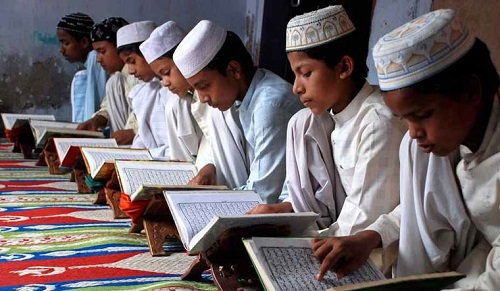
The Uttar Pradesh government, led by Chief Minister Yogi Adityanath, has recently made a significant decision regarding the functioning of Madrasas in the state. The decision involves the cancellation of licenses for all 16,000 Madrasas operating within Uttar Pradesh. Consequently, students enrolled in these Madrasas will be required to seek admission in government-run schools.
Background
Madrasas are traditional Islamic educational institutions where students primarily study Islamic theology, jurisprudence, and other subjects related to Islamic studies. Over the years, there have been debates and discussions about the role and curriculum of Madrasas in modern education systems, particularly in India.
Reasoning behind the Decision
The decision to cancel the licenses of Madrasas and transition students to government schools reflects the Uttar Pradesh government's vision to streamline education and ensure uniformity in the educational system across the state. Chief Minister Yogi Adityanath has emphasized the need for a modern and inclusive education system that prepares students for the challenges of the 21st century. Additionally, the government aims to integrate students from Madrasas into the mainstream education system to provide them with better opportunities for holistic development.
Key Implications
Standardization of Education: By transitioning Madrasa students to government schools, the government aims to ensure that all students receive education based on a standardized curriculum approved by educational authorities. This move may help in fostering a sense of inclusivity and uniformity in the educational landscape of Uttar Pradesh.
Access to Modern Education: The decision may provide Madrasa students with access to a broader range of subjects beyond traditional Islamic studies, including science, mathematics, and technology. This exposure to modern education may equip students with skills that are essential for their academic and professional growth in diverse fields.
Integration and Social Cohesion: Integrating Madrasa students into government schools could promote social cohesion and interaction among students from different backgrounds. It may contribute to breaking down barriers and fostering mutual understanding and respect among communities.
Challenges and Concerns: The transition process may encounter challenges such as logistical issues, resistance from stakeholders, and concerns about preserving cultural and religious identity. Addressing these challenges effectively will be crucial to the successful implementation of the government's decision.
Conclusion
The Uttar Pradesh government's decision to cancel the licenses of all Madrasas and transition students to government schools represents a significant step towards reforming the state's education system. While it is a bold move aimed at standardizing education and providing equal opportunities to all students, its successful implementation will depend on effective planning, stakeholder engagement, and addressing concerns raised by various quarters. Ultimately, the focus should remain on ensuring that every student in Uttar Pradesh receives quality education that prepares them for a bright future.
















Leave Your Comment