


Russia made a strong offer to the Indian Air Force (IAF) during the Aero India 2025 show in Bengaluru regarding the Sukhoi Su-57, its cutting-edge fifth-generation stealth fighter jet. Along with the sale of the export-version Su-57E, this offer also entails the construction of joint production facilities in India, which is in perfect harmony with Prime Minister NarendraModi's "Make in India" campaign. Russia's strategic action follows U.S. President Donald Trump's proposal to provide India with F-35 fighter jets, which paves the way for a crucial choice in India's defence procurement strategy.
This basically indicates that Russia will provide its old pal access to fifth-generation aircraft technology. India will be able to modify the proposal to fit its own system in addition to receiving the full technology transfer from Rosoboron Export and United Aircraft Corporation, Russia's government defence export agency. The Su-57E might be produced at the Indian state-owned Hindustan Aeronautics Limited (HAL) facility in Nashik under the Russian proposal. The first Russian Sukhoi-30MKI has been produced here.
The goal of Russia's complex plan is to revive the two countries' Fifth-Generation Fighter Aircraft (FGFA) program, which had previously stagnated. According to the plan, key technologies will be transferred, and local production of the Su-57E would start in India sometime this year. This strategy aims to support domestic defence production while giving the IAF cutting-edge stealth capabilities. India would have more control over production and maintenance if it produced the Su-57E domestically, reducing the danger of supply chain interruptions and international penalties. Given the geopolitical environment of the world today and India's emphasis on autonomy in defence manufacturing, this element is very relevant.
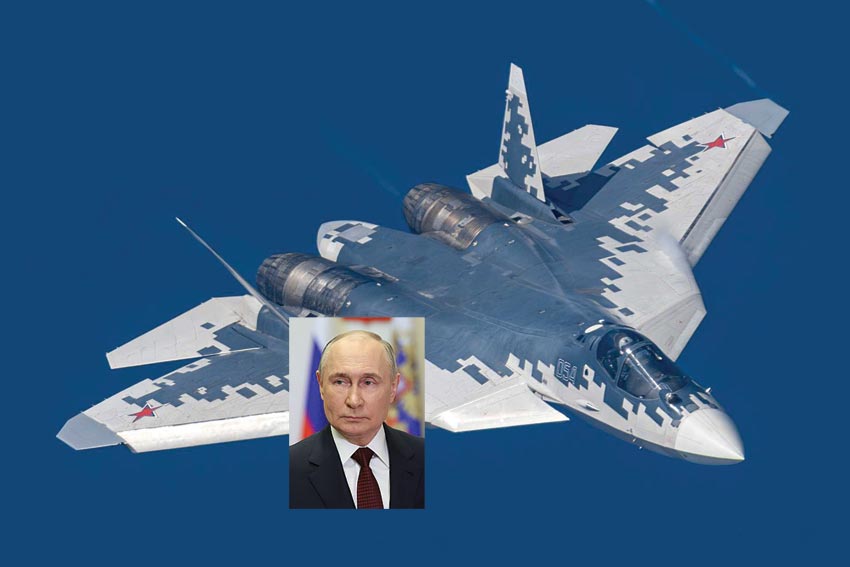
Advanced avionics, supercruise capability, and stealth technology are features of the Su-57E, which is built for air superiority and strike missions. Operational capabilities would be greatly improved by its addition to the IAF's fleet, particularly given the dynamics of regional security. The IAF now lacks fighter squadrons, which have decreased to 31 from the authorised strength of 42. The aircraft's versatility in combat situations provides a strategic edge. Concern over this reduction is urgent, especially in light of China's growing military buildup.
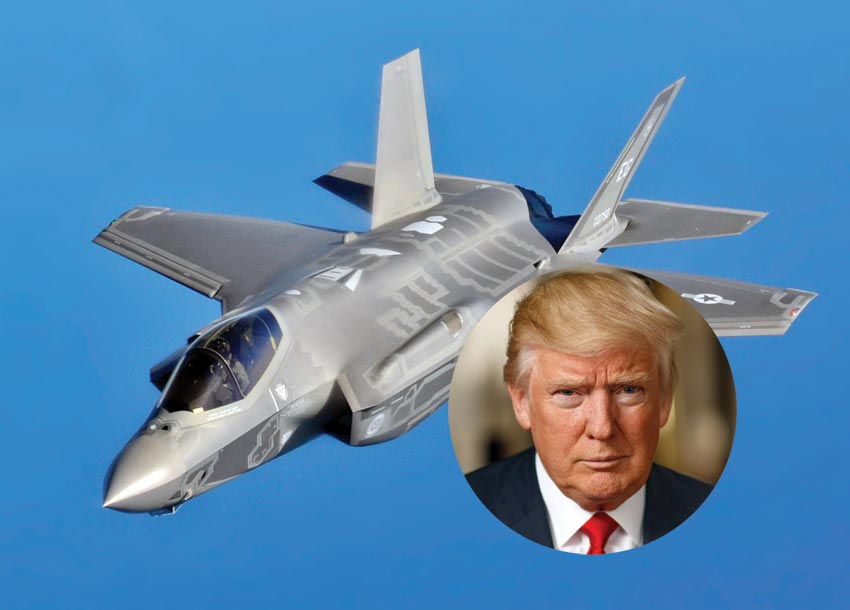
In contrast, President Trump revealed that the United States has proposed selling F-35 combat fighters to India. The U.S. offer is still at the preliminary stage, with no firm agreements finalised, despite the F-35's well-known stealth and sophisticated sensor capabilities. There have also been complaints about the F-35 program's exorbitant expenses. The plan has drawn criticism from India's opposition parties, who point to budgetary limitations and raise concerns about the aircraft's fit for the IAF's operational needs.
India can benefit from the Russian offer in a number of ways. First off, India's defence manufacturing industry would benefit from the joint production of the Su-57E by gaining technical experience and jobs. Additionally, by ensuring a consistent supply of munitions and spare parts, this partnership would lessen reliance on outside suppliers. Furthermore, India would be able to autonomously carry out future upgrades and changes with the full transfer of technology related to the Su-57E program, which would be in line with the country's long-term strategic goals.
India's defence posture and international relationships will be greatly impacted by its choice between the American F-35 and the Russian Su-57E. Choosing the Su-57E might improve domestic manufacturing skills and strengthen the long-standing defence alliance with Russia. On the other hand, choosing the F-35 could result in increased expenses and possible dependence, but it might also strengthen strategic connections with the United States. In the end, India's decision will determine the future course of its foreign and defence policy by striking a balance between short-term operational demands, budgetary constraints, and long-term strategic goals.
Uday India Bureau














Leave Your Comment