


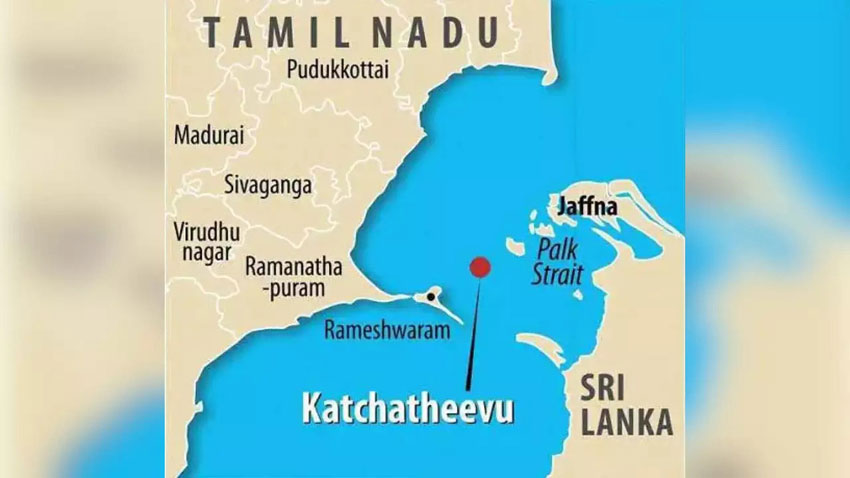
In the tangled web of geopolitics and historical disputes lies the enigmatic tale of Katchatheevu Island, a tiny piece of land nestled between the shores of India and Sri Lanka. The recent assertions by former diplomat and current Union Minister of Urban Affairs, Hardeep Singh Puri, have reignited discussions surrounding this contentious issue.
Puri's remarks shed light on a series of decisions made by past Indian leadership, particularly focusing on the pivotal roles played by Prime Minister Jawaharlal Nehru and his successor, Prime Minister Indira Gandhi. According to Puri, historical records indicate that Nehru and later Gandhi consented to relinquish the suzerainty of Katchatheevu Island to Sri Lanka. Furthermore, he alleges that a clandestine agreement between Gandhi and former Chief Minister of Tamil Nadu, K. Karunanidhi, facilitated the transfer of Indian territory to a neighboring nation.
The revelations made by Puri underscore a complex narrative of diplomatic maneuvering and political expediency. They raise pertinent questions about the motivations behind such decisions and the implications they carry for national sovereignty.
At the heart of the matter lies the 1974 agreement between India and Sri Lanka, which formally transferred control of Katchatheevu to the latter. The agreement, signed during Prime Minister Indira Gandhi's tenure, sparked widespread controversy and protests, particularly in Tamil Nadu, where sentiments ran high against the perceived betrayal of territorial interests.

The assertion that Indian leaders acquiesced to the cession of Katchatheevu raises issues of accountability and transparency in governance. Puri's reference to records accessible through the Right to Information Act suggests a potential discrepancy between public perception and official narratives surrounding the island's transfer. It invites scrutiny into the decision-making processes of the past and demands a reassessment of the historical narrative.
Moreover, Puri's remarks resonate against the backdrop of contemporary geopolitical dynamics in the Indian Ocean region. The strategic significance of Katchatheevu Island cannot be understated, given its proximity to vital sea lanes and its potential implications for maritime security. The island's transfer to Sri Lanka has implications for India's geopolitical interests and its relationship with its southern neighbor.
The Katchatheevu issue epitomizes the complexities of managing historical grievances within the context of evolving diplomatic relations. While the decision to cede the island may have been rooted in pragmatic considerations at the time, its legacy continues to reverberate in the present. The narrative of betrayal and abandonment associated with Katchatheevu underscores the importance of fostering trust and transparency in interstate relations.
Moving forward, it is imperative for Indian policymakers to engage in a constructive dialogue with all stakeholders, particularly the people of Tamil Nadu, to address lingering grievances and chart a path towards reconciliation. The revelations brought forth by Hardeep Singh Puri serve as a catalyst for a nuanced reexamination of the Katchatheevu issue, challenging conventional narratives and fostering a deeper understanding of its historical and political dimensions.
In conclusion, the Katchatheevu Island dispute represents a microcosm of the complex interplay between history, politics, and diplomacy. Puri's assertions prompt a critical reevaluation of past decisions and underscore the imperative of transparency and accountability in governance. As India navigates its role on the global stage, confronting historical legacies such as Katchatheevu with honesty and integrity is essential for fostering trust and cooperation in the region.
Uday India Bureau















Leave Your Comment