


The naval warfare landscape is undergoing a profound transformation with the advent of unmanned surface vehicles (USVs). These autonomous ships, ranging from small drone boats to large unmanned surface vessels, are poised to revolutionise naval operations by offering increased endurance, versatility, and the added advantage of being cost-effective.
The US Navy is spearheading the USVs at a rapid pace, investing heavily in the development of Large Unmanned Surface Vehicles (LUSVs) and Medium Unmanned Surface Vehicles (MUSVs).
Envisioned as low-cost, high-endurance, and reconfigurable platforms capable of accommodating various payloads, LUSVs and MUSVs are expected to play a pivotal role in anti-surface warfare, strike missions, intelligence gathering, and electronic warfare operations. With the Navy’s substantial budget allocations for research and procurement, unmanned surface vehicles are rapidly evolving from concept to reality, ushering in a new era of autonomous naval capabilities.
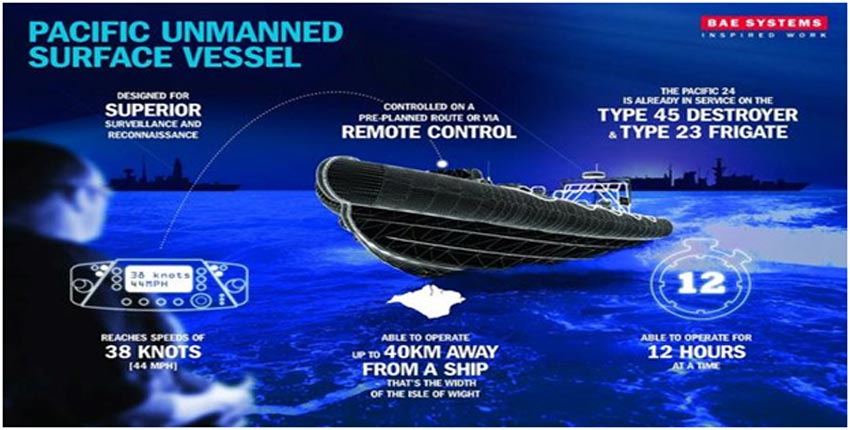
Evolution and use of USVs in Naval Warfare
The evolution of naval warfare represents a dynamic process shaped by technological innovations that have continuously expanded strategic and operational capabilities. Initially, naval forces operated oar-powered and sail propelled vessels with limited range and basic armaments. Over time, technological advancements have driven several key trends that collectively mark the progression of naval capabilities.
One notable trend is the expansion of the operational theater, evolving from the constrained range of ancient galleys to the global reach of contemporary navies. This expansion has been facilitated by advances in ship design and propulsion systems, enabling naval forces for military diplomacy in peace time and in war to project power across vast distances.
Technological developments in communication, navigation, and weaponry have also led to reduced reaction times and quicker weapon deployment, enhancing the ability to detect, engage, and neutralize threats more efficiently.
Moreover, the integration of stealth technologies, long-range strike capabilities, and unmanned systems have decreased the risk and exposure of naval personnel to enemy actions, while advancements in precision-guided munitions, targeting systems, and directed-energy weapons have increased the effectiveness and lethality of naval firepower.
These developments have collectively revolutionized naval operations, redefining the parameters of naval warfare and strategic maritime dominance.
These innovations have not only enhanced the range, speed, firepower, and overall combat effectiveness of naval forces but have also necessitated changes in naval tactics, such as the increased use of long-range engagements, the importance of air power, and the growing role of submarines and aircraft carriers. Moreover, the ongoing integration of emerging technologies like unmanned systems, artificial intelligence, and directed-energy weapons is expected to further transform the future of naval warfare, as exemplified by Ukraine’s successful employment of USVs against Russian naval assets in the ongoing Russo-Ukraine conflict.
Advantages of USVs
Unmanned surface vehicles (USVs) provide substantial strategic advantages in naval warfare, presenting modern naval forces with versatile and effective assets. One of the primary benefits of USVs is the reduced risk to personnel, as these vehicles can operate in hazardous conditions that would be perilous for human crews. This capability not only minimizes human casualties but also allows for the execution of more aggressive missions. USVs also offer increased endurance, capable of continuous operation without the logistical and human resource constraints of crewed vessels, thereby reducing overall operating costs.
In terms of operational flexibility, USVs can be deployed in a variety of roles, including mine countermeasures, reconnaissance, anti-submarine, and anti-surface warfare, thereby enhancing the tactical options available to commanders. They also provide real-time intelligence, improving situational awareness of enemy activities and maritime conditions. The cost-effectiveness of USVs is another significant advantage, as they require fewer human-centric resources and maintenance.
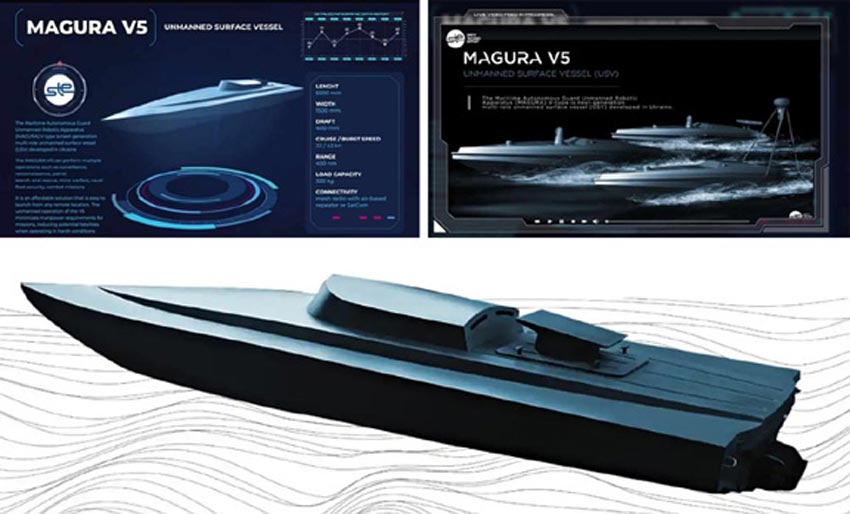
USVs are highly versatile, capable of being equipped with an array of payloads like sensors, weapons, and communications systems, allowing them to adapt to a wide range of mission requirements. Their expendability compared to manned vessels enables engagement in high-risk operations without the same level of financial or human loss concerns.
From an operational efficiency standpoint, autonomous USVs can optimize navigation and logistics based on dynamic environmental and situational data, leading to more efficient route planning and resource utilization. Moreover, the potential for integration of eco-friendly propulsion technologies in USVs underscores their environmental benefits, contributing to reduced emissions and pollution.
The ongoing advancements in artificial intelligence, machine learning, and sensor technologies promise to further enhance the capabilities of USVs. Improved autonomy and situational awareness, coupled with developments in swarming tactics and human-machine collaboration, are poised to significantly advance the operational effectiveness and strategic value of USVs in naval warfare.
Case in point: Ukraine’s Successful Deployment
Ukraine’s strategic deployment of unmanned surface vehicles (USVs), particularly the MAGURA V5 model, has been a transformative element in its naval operations against Russia, achieving significant tactical successes. These USVs, termed “kamikaze USVs” (KUSVs), have been instrumental in damaging approximately 10 Russian vessels in the Black Sea, underscoring their effectiveness in asymmetric naval warfare. The successful utilization of these KUSVs has compelled the Russian Navy to adopt a more cautious and defensive stance regarding fleet deployments.
(IDR)
By Dhruv Bansal
(The content of this article reflects the views of writers and contributors, not necessarily those of the publisher and editor. All disputes are subject to the exclusive jurisdiction of competent courts and forums in Delhi/New Delhi only)















Leave Your Comment