


The United Nations has revised India's economic growth forecast for 2024 upwards, now projecting the country's GDP to expand by 6.9% this year. This update, part of the World Economic Situation and Prospects (WESP) mid-2024 report released on Thursday, marks a significant increase from the 6.2% forecast made in January 2024. The upward revision underscores the strength of India's economic recovery, driven primarily by robust public investment and resilient private consumption.
Key Drivers of Growth

The report highlights that strong public investment and resilient private consumption are the primary drivers of India's projected growth. Despite challenges such as subdued external demand, the country’s economy shows significant dynamism, particularly in sectors like pharmaceuticals and chemicals. These sectors are expected to see robust export growth, counterbalancing weaker performance in merchandise exports.
Public Investment
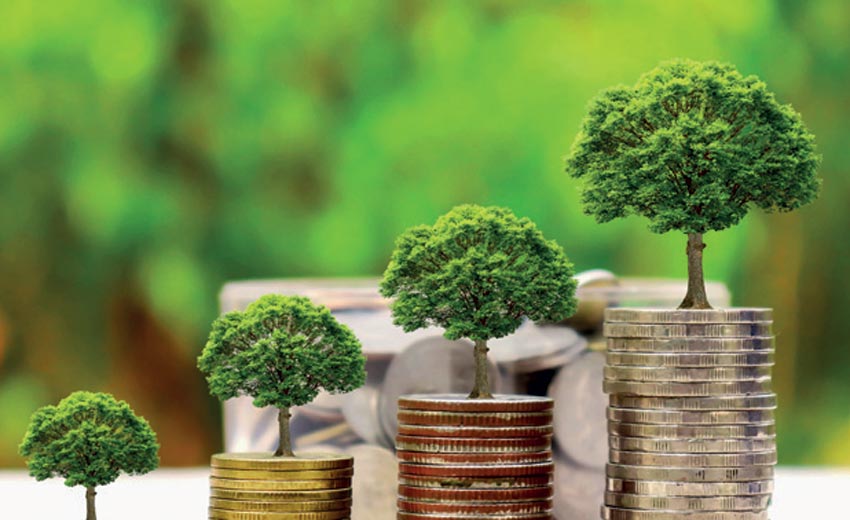
The Indian government has maintained a strong focus on infrastructure development and capital investment, contributing to sustained economic momentum. Large-scale projects in transportation, energy, and urban development have created a multiplier effect, boosting economic activity across various sectors.
Private Consumption

Consumer spending in India has shown remarkable resilience, supported by rising incomes and improving labor market conditions. The report indicates that labor market indicators have improved, with higher labor force participation and robust job creation driving consumer confidence and spending.
Inflation and Fiscal Policy
The WESP mid-2024 update projects that consumer price inflation in India will decelerate from 5.6% in 2023 to 4.5% in 2024, staying within the Reserve Bank of India's target range of 2-6%. This anticipated moderation in inflation is crucial for maintaining consumer purchasing power and supporting sustained economic growth.
On the fiscal front, the Indian government remains committed to gradually reducing the fiscal deficit while simultaneously increasing capital investment. This balanced approach aims to ensure long-term fiscal sustainability without compromising growth prospects.
Regional and Global Context
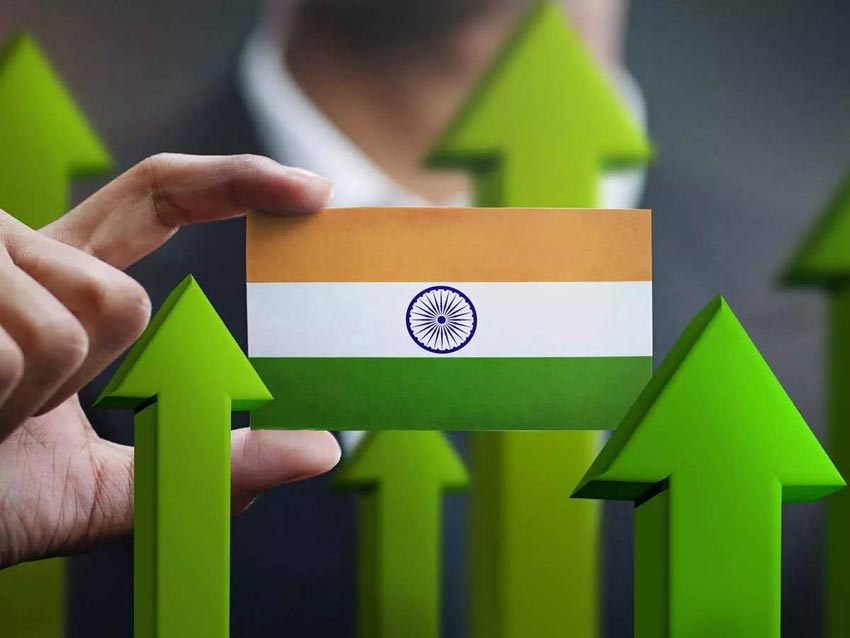
India's strong economic performance is expected to bolster the overall economic outlook for South Asia. The regional GDP is projected to grow by 5.8% in 2024, an upward revision of 0.6 percentage points since January. This growth, however, is tempered by tight financial conditions and fiscal and external imbalances in countries like Pakistan and Sri Lanka.
Globally, the world economy is now forecast to grow by 2.7% in 2024, a slight increase from the January forecast of 2.4%. The WESP report notes that despite some positive adjustments, global growth remains constrained by several factors, including geopolitical tensions and potential increases in energy prices due to ongoing disruptions in the Red Sea region.
Challenges and Risks

While the economic outlook for India is optimistic, several risks could potentially dampen growth. Key among these are geopolitical tensions that could lead to increased energy prices, which would adversely affect both India and the broader South Asian region. Additionally, sustained high food prices, particularly in the first quarter of 2024, pose a risk to inflation control efforts and consumer spending.
Conclusion
India's revised growth projection of 6.9% for 2024, as highlighted in the UN's WESP mid-2024 report, reflects the country's robust economic fundamentals and effective policy measures. With continued strong public investment, resilient private consumption, and a focus on fiscal sustainability, India is well-positioned to maintain its growth trajectory, contributing positively to the regional and global economy. However, it remains crucial for policymakers to navigate potential risks and ensure that the benefits of growth are broadly shared across all segments of the population.
Uday India Bureau




















Leave Your Comment