


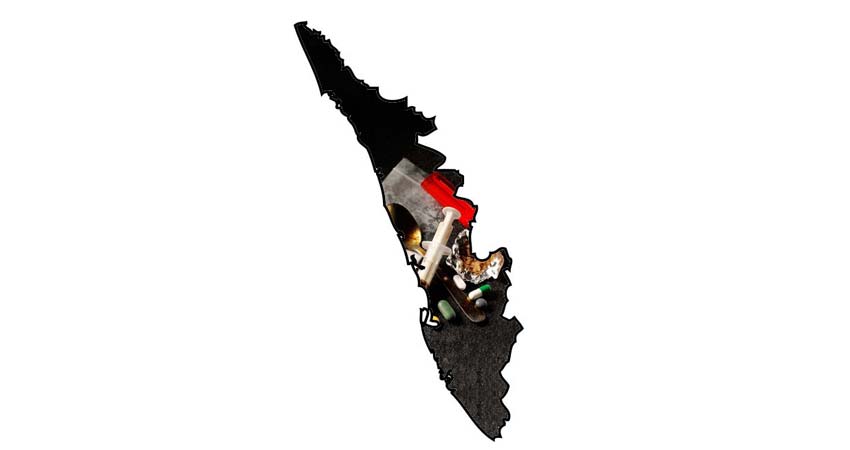
Kerala, often celebrated as “God’s Own Country” for its breathtaking natural beauty, high literacy rate, and progressive social indicators, is now grappling with a grim and deeply unsettling reality — a surging drug menace. What was once whispered in corners has now become a loud, undeniable crisis seeping into schools, colleges, and even homes. The state, known for producing some of the best human development indices in India, is ironically seeing its youth fall prey to a network of drug peddling that is as innovative as it is insidious.
What makes this crisis particularly alarming is the nature and method of drug infiltration. Unlike the stereotypical image of shady alleyway transactions, today’s drug trade in Kerala operates with alarming sophistication. Hard drugs such as MDMA (popularly known as “Ecstasy” or “Molly”), LSD, and methamphetamine are now being packaged to appeal to young, unsuspecting consumers. These synthetic drugs, particularly MDMA, are being disguised as innocuous items — chocolates, candies, chewing gum, even ice-creams. Sold for as little as ₹50 to ₹200, they are well within reach of school-going children, making them particularly dangerous. A child unknowingly consuming what seems like a harmless treat could easily end up addicted or hospitalized.
The operational model adopted by these drug peddlers is equally disturbing. Peddlers increasingly rely on social media platforms and messaging apps such as Instagram, Telegram, and Snapchat to connect with teenagers. Transactions are conducted virtually, and deliveries are made in a way that resembles any regular e-commerce service — through courier packages, food delivery apps, or even in person, dressed as delivery agents. Some dealers exploit school students themselves, offering free drugs initially and then coercing them into becoming part of the supply chain once they’re addicted. This not only fuels demand but also shields the main operators by creating layers of intermediaries too young to arouse suspicion.
Despite Kerala’s near-universal literacy, the state’s educated populace has not proven immune to the social consequences of drug addiction. In fact, it is the false sense of security that literacy offers that may have contributed to this crisis being overlooked until now. Parents, many of whom are highly educated, often fail to recognize early signs of addiction or involvement, mistakenly believing that their children are too informed or disciplined to fall prey to such vices. Schools and colleges, too, have lagged behind in adopting robust monitoring systems or psychological support services to help students navigate peer pressure and mental health challenges, which are often the triggers for substance abuse.
The Kerala Police and Excise Department have ramped up operations in recent months, launching statewide crackdowns such as "Operation Clean Campus" and collaborating with cybercrime units to identify online drug networks. Yet, arrests alone cannot stem the tide. There is an urgent need for a more holistic approach that involves parents, educators, health professionals, and community leaders. Rehabilitation centres in the state are overwhelmed, and the stigma around addiction continues to prevent many from seeking timely help. The involvement of minors further complicates legal and social interventions.
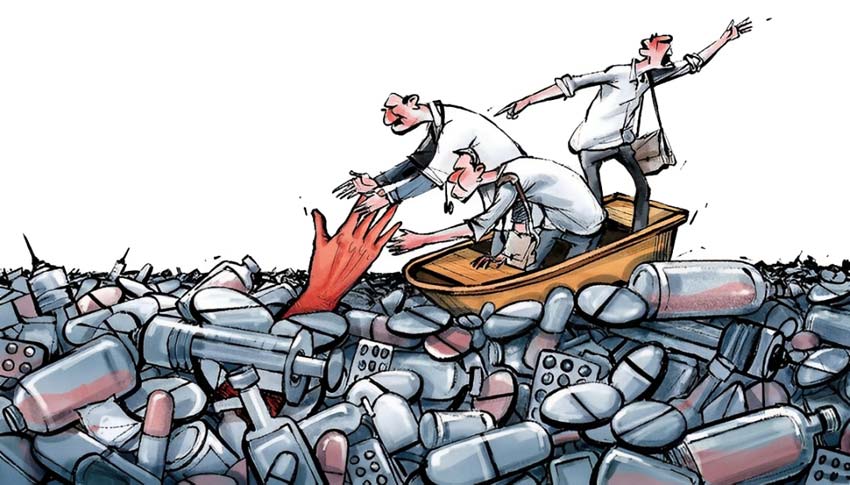
The crisis in Kerala is a cautionary tale — that literacy alone does not equate to awareness, and progress on paper does not guarantee immunity from deep-rooted social problems. The time has come for Kerala to reimagine its approach to education, not just as a means to academic excellence, but as a vehicle for moral grounding, emotional intelligence, and awareness about real-world challenges like substance abuse. Without swift, coordinated action, the state risks losing an entire generation to a silent war that is being fought not with guns and bombs, but with pills, powders, and poisoned sweets.
Is this a direction Kerala can afford to go in? The answer, quite clearly, is no.
Uday India Bureau














Leave Your Comment