


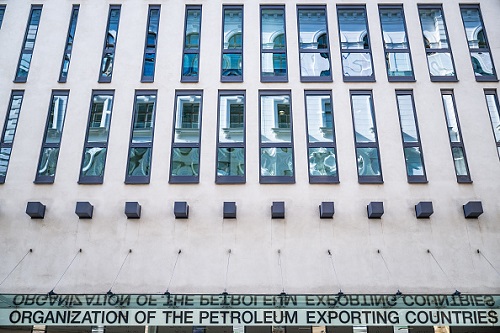
In a major shift for global energy markets, the United Arab Emirates has announced it will exit OPEC and the broader OPEC+ from May 1, according to state-run WAM. The move marks a significant development for blocs that collectively control nearly half of global oil production and play a key role in influencing prices through output quotas.
The decision comes amid heightened geopolitical tensions in the Middle East, particularly the ongoing conflict involving Iran, which has disrupted critical energy infrastructure and trade routes. Attacks on key UAE facilities and the effective closure of the Strait of Hormuz—through which roughly a quarter of the world’s oil passes—have driven crude prices sharply higher, with benchmarks breaching $110 per barrel.
Abu Dhabi has framed its exit as part of an “evolving energy profile,” aiming to expand production capacity while maintaining its position as a reliable supplier. However, the move also exposes fractures within OPEC+, raising concerns about cohesion within the alliance at a time of global uncertainty.
For India, one of the world’s largest oil importers, the development could bring both short-term volatility and long-term gains. India imports about 85% of its oil needs, with a significant share sourced from the Middle East, including the UAE. Greater production flexibility outside OPEC quotas could allow the UAE to increase exports, potentially easing global supply and softening prices.
Additionally, disruptions in maritime routes have sharply increased shipping and insurance costs. Direct bilateral arrangements with the UAE—especially via alternative routes like Fujairah on the Gulf of Oman—could help Indian refiners manage risks and secure more competitive pricing.
While immediate market reactions may include price swings and uncertainty, the longer-term outlook suggests potential benefits for large importers. Much will depend on how aggressively the UAE ramps up production and how it balances new market ambitions with regional diplomatic ties.
In a volatile energy landscape, the UAE’s exit could reshape supply dynamics—offering relief to countries like India, even as it tests the resilience of longstanding oil alliances.


















Leave Your Comment