


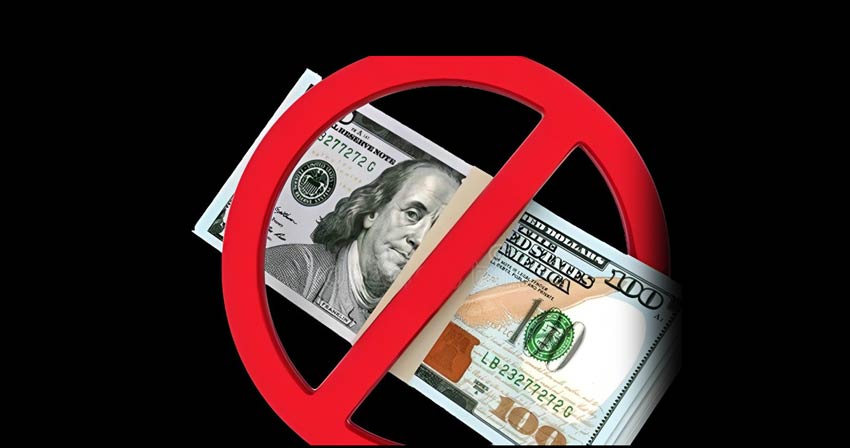
Former US President Donald Trump’s recent threat against BRICS nations for their efforts to reduce reliance on the US dollar underscores the growing friction in the global financial system. Trump, known for his aggressive rhetoric and policies, has hinted at potential economic retaliation against countries that participate in de-dollarization. This movement, primarily driven by BRICS nations (Brazil, Russia, India, China, and South Africa), challenges the dollar's dominance and seeks to establish a more balanced international monetary system. For India, which occupies a unique position in this dynamic, the implications are multifaceted and require careful consideration.
The dollar has been the backbone of global trade and finance for decades, ensuring the US's dominant position in international affairs. Its role as the world’s reserve currency allows the US to control financial flows, enforce sanctions, and influence economic policies worldwide. However, this dominance has come at a cost for other nations, many of which view the dollar-centric system as a tool for American hegemony. Countries like Russia and China, frequently targeted by US sanctions, have been at the forefront of efforts to reduce dollar reliance. Their motivations include safeguarding economic sovereignty, avoiding vulnerabilities tied to dollar volatility, and creating alternative financial systems that limit US influence.
India, while not as aggressively de-dollarizing as China or Russia, has made notable strides in this area. The country has pursued bilateral trade agreements with nations such as the UAE and Russia to conduct transactions in local currencies, particularly in the energy sector. This has helped India shield its trade from the impact of dollar fluctuations and sanctions. Additionally, the Reserve Bank of India (RBI) has taken steps to promote the internationalization of the rupee by allowing trade settlements in the Indian currency. Through its active participation in the New Development Bank (NDB) under BRICS, India is contributing to the development of alternative financial mechanisms that reduce dependence on the dollar. These initiatives align with India’s broader goal of enhancing its global economic footprint while reducing vulnerabilities linked to external shocks.

Trump’s threats to retaliate against countries moving away from the dollar reflect a growing concern within the US about its waning influence. His suggested measures include reimposing tariffs, enforcing financial sanctions, and restricting access to American investment opportunities. While these actions could deter some nations, they also risk alienating key partners like India, which shares strong strategic and economic ties with the US. For a country like India, navigating this complex situation is particularly challenging. Maintaining its relationship with the US is vital, especially as both countries collaborate on critical issues such as defense, technology, and regional security.
The potential decline in the dollar’s dominance carries significant implications for the US. The global demand for dollars has long allowed the US to borrow at low costs, sustain trade deficits, and wield disproportionate influence through institutions like the International Monetary Fund (IMF) and World Bank. De-dollarization threatens this advantage. A diminished demand for US Treasury securities could lead to higher borrowing costs, while the loss of reserve currency status would weaken the dollar's value, reducing Americans' purchasing power. Moreover, the US's ability to impose unilateral sanctions, a cornerstone of its foreign policy, would be severely curtailed in a less dollar-centric world.
For India, the shift away from the dollar presents both opportunities and challenges. On the one hand, it aligns with India’s aspiration for greater economic sovereignty and reduces exposure to currency risks tied to dollar volatility. On the other hand, the transition could be fraught with risks. India’s trade, particularly in energy, remains heavily dollar-dependent, and any abrupt shift could disrupt economic stability. Furthermore, India must carefully balance its participation in de-dollarization initiatives with the need to maintain strong ties with the US. A perceived alignment with China and Russia's efforts could complicate India’s geopolitical positioning.
One of the most significant risks of de-dollarization is the potential for Chinese dominance. China has actively promoted the yuan as an alternative global currency, leveraging its economic heft and initiatives like the Belt and Road Initiative (BRI). If the dollar's dominance declines without a multipolar financial system emerging, the yuan could fill the vacuum, granting China greater economic influence. This is a particularly concerning prospect for India, given its strategic rivalry with China. Increased reliance on the yuan in global trade could undermine India’s economic autonomy and strengthen China’s geopolitical leverage.
The movement to reduce reliance on the dollar represents a profound shift in the global financial order. Trump’s threats of retaliation may temporarily slow this trend, but the motivations driving de-dollarization are deeply entrenched in the desire for economic sovereignty and resistance to US hegemony. For India, the challenge lies in navigating this complex terrain while safeguarding its strategic interests.
As the dollar’s dominance erodes, the emergence of a truly multipolar financial system remains the ideal outcome. Such a system would distribute economic power more equitably, reducing the risks of domination by any single country. However, ensuring that this shift does not replace one form of financial dominance (by the US) with another (by China) will be a critical challenge for India and other middle powers. The stakes are high, and the decisions made in this transitional phase will shape the global economic landscape for decades to come.
Uday India Bureau















Leave Your Comment