


India's emergence as a global logistics and supply chain hub is driven by a combination of factors, including its strategic geographic location, a rapidly expanding domestic market, and a government that has proactively supported infrastructure development. Despite this promising foundation, India must overcome several challenges to fully establish itself as a key player in global trade. The country has made significant progress in expanding its logistics capabilities, but addressing inefficiencies and integrating globally recognised practices will be crucial for the future. The transformation must not only focus on efficiency but also embrace inclusivity, sustainability, and resilience to meet the demands of the interconnected global market. Key areas of focus include enhancing infrastructure through advanced transportation networks, modernised ports, and specialised warehousing solutions; adopting advanced technologies like AI, IoT, and blockchain to optimise operations and improve transparency; strengthening regulatory frameworks to align with international standards for both domestic and cross-border trade; and promoting sustainability through green logistics, waste management, and circular economy practices. By prioritising these areas, India can pave the way to becoming a global leader in logistics and supply chain management, capable of meeting the evolving demands of a fast-paced global market.
Revolutionising Warehouse Creation and Management
As India positions itself as a key player in the global manufacturing landscape, its ability to support this growth hinges on transforming its warehouse infrastructure. In a rapidly evolving global trade environment, traditional storage solutions are no longer sufficient to meet the demands of modern industries. The need for advanced, technology-driven warehouses tailored to the specific requirements of diverse sectors is paramount. From cold storage for agriculture to automated systems for e-commerce, India must reimagine its approach to warehouse creation and management. This transformation will not only improve logistics efficiency but also enhance India’s competitiveness in the global market, ensuring that it can serve as a robust supply chain hub for industries worldwide.
Tailored Warehousing for Sector-Specific Demands: As India emerges as a strategic manufacturing hub across multiple sectors such as automobiles, pharmaceuticals, chemicals, textiles, and electronics, there is an increasing need for specialized warehousing solutions to meet the unique requirements of each industry. For example; the automotive sector- warehouses must be equipped with advanced inventory control systems to manage large volumes of spare parts, components, and finished vehicles. These warehouses should also be temperature-controlled to ensure the integrity of sensitive materials like batteries and electronic parts, which require stable conditions to maintain performance. Similarly, the chemical industry, known for handling hazardous materials, demands highly specialized storage facilities with strict safety protocols and environmental control systems. These warehouses must comply with regulations that govern the storage of chemicals, ensuring both employee safety and environmental protection. Additionally, in the pharmaceutical industry, where maintaining the efficacy of medicines and vaccines is crucial, warehouses must be designed with stringent ecosystem management norms. Smart storage facilities must be the order of the day for ensuring exportable commodities those remain critical to meet the global demands

It is argued that, keeping cross sectorial requirements in attention, warehouse making must revolutionise in the country that remain equipped with demand-driven, smart technologies to facilitate seamless operations. Thing like automated inventory management systems, real-time monitoring through IoT devices, and advanced security systems to safeguard valuable goods from theft or damage must be brought the forefront of advanced Supplychain practices. It time for thinking of and transforming India’s logistics sector with customised warehouse solutions that remain the need of the day – which can accommodate the specific handling, storage, and transportation needs of each industry, allowing India to meet the rising demands of both domestic and international markets effectively.
Strategic Location of Specialized Warehouses and Transit Hubs: In addition to sector-specific design, the strategic location of warehouses plays a pivotal role in enhancing India’s logistics capabilities. By positioning specialized warehouses near manufacturing hubs or key transportation routes, or rural production zones, India can optimise its supply chain efficiency and reduce lead times. For example, warehouses catering to the automobile and electronics sectors should be located in proximity to production centres, ensuring quick dispatch of components and finished products. Likewise, for industries such as pharmaceuticals and chemicals, which require strict regulatory compliance and temperature control, warehouses must be strategically situated near airports or major transportation hubs, allowing for swift distribution to both domestic and international markets.
Furthermore, India must focus on creating integrated transit hubs in each district that seamlessly connect multiple modes of transportation, such as rail, road, air, and sea. These transit hubs will facilitate smooth and swift movement of goods, enhancing the overall efficiency of the logistics ecosystem. The development of such hubs can also reduce congestion at key ports and airports, streamlining the flow of goods and promoting a more sustainable logistics system. These hubs should be designed to handle the high volume of goods typically moving between warehouses, manufacturers, and markets, incorporating advanced technologies like automated loading and unloading systems to improve operational speed. By ensuring that these specialized warehouses and transit hubs are strategically located, India can strengthen its position as a competitive and reliable global supply chain player.
Enhancing Transportation Infrastructure
Transportation forms the backbone of India’s supply chain ecosystem, and enhancing this infrastructure is critical to solidifying India’s position as a global logistics hub. India’s vast geography, encompassing bustling urban centres and remote rural areas, poses complex logistical challenges that require a diversified approach. While road transport dominates freight movement, its over-reliance strains infrastructure and increases costs. Expanding the use of railways and coastal shipping can provide sustainable, cost-efficient alternatives. India is already working on electrifying rail networks to improve freight efficiency and reduce carbon emissions, a step aligned with the success seen in other developed countries like Germany. Similarly, India’s efforts to boost coastal shipping through dedicated corridors are positioning it to replicate Sweden’s efficient maritime logistics model. Initiatives like the Pradhan Mantri Gati Shakti Master Plan aim to unify these modes into a seamless multimodal network, reducing transit times and enhancing cost-effectiveness. For international markets, strengthening partnerships with global ocean freight providers, like Maersk-Tamil Nadu partnership, and improving air cargo infrastructure to handle high-value, time-sensitive goods also seen as prior. Additionally, adopting electric and hybrid fleets for urban last-mile delivery must to only align but get sync to India’s logistics framework with global sustainability standards. By accelerating these developments, India can create a resilient and efficient transportation infrastructure ecosystem that not only meets domestic needs but also positions the country as a competitive force in global supply chains.
Road Transport Networks: India’s road transport network is the most widely used freight mode, but to truly lead as a logistics hub, it must address issues like congestion, inefficiencies, and environmental impact. Building on initiatives such as the Bharatmala Pariyojana, India must be prioritising constructing high-capacity expressways, ring roads, and bypasses around congested urban centres. Integrating smart traffic management systems using AI for real-time route optimisation can reduce delays and fuel consumption. The expansion of electric vehicle (EV) and Hydrogen driven infrastructure, such as charging stations along freight corridors, will remain pivotal in shifting to electric and hybrid fleets, lowering operational costs and emissions. Globally, countries like Norway and the Netherlands have effectively transitioned significant portions of their road transport systems to EVs, providing a roadmap for India. Additionally, promoting public-private partnerships (PPPs) to fund road upgrades can ease the financial burden while ensuring accountability and efficiency. With robust and sustainable roads, India can enhance connectivity to remote regions, improve last-mile delivery, and support the growing e-commerce and manufacturing sectors.
Rail Networks: India’s railway system, one of the largest in the world, holds untapped potential for freight movement, especially for long-haul goods. Dedicated Freight Corridors (DFCs), such as the Eastern and Western DFCs, are a significant step toward enhancing the speed and capacity of rail-based logistics. However, India must focus on completing these corridors promptly and expanding them to include additional industrial zones and ports. Electrification of railway lines must be accelerated to minimise dependence on diesel, reducing both costs and carbon footprints, as seen in Germany’s efficient electrified freight networks. Innovations like double-stacked container trains, already being implemented in certain corridors, should be scaled nationwide for greater freight capacity. Rail connectivity to ports and logistics hubs should also be improved to reduce the time and cost associated with multimodal transitions. Further, investing in automated rail freight scheduling and tracking systems can streamline operations, making rail a reliable and cost-effective choice for businesses.
Water and Coastal Shipping: India’s vast coastline of over 7,500 kilometres is underutilised for freight movement, despite its potential as an economical and eco-friendly transport mode. The government’s Sagarmala project provides a framework for developing coastal and inland waterways for cargo movement, but more targeted investments are needed to unlock their full potential. Establishing modern coastal shipping terminals equipped with automation and cargo handling systems can enhance efficiency. Learning from countries like Bangladesh, which has an extensive inland waterway system, India should focus on dredging and maintaining river channels to support seamless inland waterway transport. Offering financial incentives for businesses to shift from road to coastal shipping can reduce congestion and emissions significantly. Moreover, integrating waterway networks with road and rail systems through multimodal hubs will ensure fluid transitions and efficient logistics.
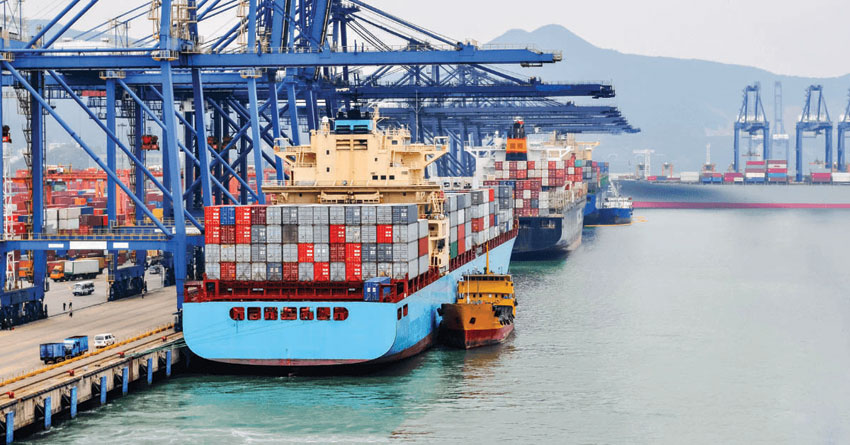
Sea Transport: As a key gateway to international trade, India’s ports are vital for its logistics ambitions. To compete with global leaders like Singapore and Rotterdam, Indian ports must adopt automation and smart technologies for faster cargo handling. Enhancing port connectivity to rail and road networks will reduce turnaround times and improve overall efficiency. Policies like the Major Port Authorities Act are steps in the right direction, but private sector involvement must be encouraged to boost investments in port modernisation. Free Trade Zone (FTZ) facilities near major ports can attract global companies looking for storage and processing centres, as seen in Dubai’s Jebel Ali port. Additionally, expanding the fleet of Indian-registered ships and providing tax incentives for shipping companies will strengthen India’s maritime logistics capabilities.
Air Transport: Air transport is critical for high-value, time-sensitive goods, and India must invest in expanding cargo handling capacities at its airports. Dedicated air freight corridors, similar to the U.S. FedEx and UPS models, can boost efficiency in international and domestic air logistics. Developing secondary airports as cargo hubs, especially near industrial zones, will decentralise air freight operations and reduce pressure on major hubs like Delhi and Mumbai. Integrating cold chain solutions for perishable goods and pharmaceutical products into airport logistics will meet growing global demand. India must also promote its air cargo industry internationally by negotiating favourable bilateral agreements for cargo rights and expanding its freighter fleet.
Transport Systems and Carriers: Efficient transport systems and reliable carriers are essential for robust logistics operations. India must develop an integrated digital platform that connects all modes of transport, enabling seamless coordination between road, rail, water, sea, and air carriers. Such platforms, like the European Union’s Digital Transport and Logistics Forum, ensure real-time tracking, reduce redundancies, and optimise resource utilisation. Standardising operational guidelines and quality benchmarks across carriers will enhance reliability and customer trust. For long-term sustainability, carriers should be incentivised to adopt greener technologies, such as electric trucks and LNG-powered ships. By partnering with global logistics giants for skill development and best practices, India can elevate the professionalism and efficiency of its transport operators. Building a resilient and sustainable carrier ecosystem will ensure that India remains competitive as a global logistics hub while addressing environmental challenges.
Smart Carriers - Design and Manufacturing: Smart design and manufacturing of carriers under the Make in India initiative is pivotal to transforming India into a global logistics powerhouse. Developing advanced trucks equipped with telematics, fuel-efficient engines, and hybrid or electric propulsion systems will cater to domestic and international demand while reducing carbon footprints. Collaborative ventures with global leaders can accelerate the adoption of cutting-edge technology in Indian manufacturing plants. Similarly, smart rail carriers designed for modular containerisation and automated cargo handling systems can enhance the efficiency of freight corridors. Partnerships with firms such as Siemens or Bombardier for design innovation will help India develop rail carriers tailored to its specific freight needs. In the air cargo sector, manufacturing dedicated freight aircraft, in collaboration with global players like Boeing and Airbus, could position India as a leading supplier of affordable and efficient cargo planes for emerging markets. For maritime logistics, India must focus on building next-generation cargo ships with eco-friendly propulsion systems such as LNG-powered engines or hybrid solutions. Collaborations with shipbuilding giants like Hyundai Heavy Industries or Maersk could bring expertise while boosting the local shipbuilding industry. Establishing state-of-the-art design centres and production units for carriers will not only create jobs but also ensure that India’s logistics sector is equipped with modern, reliable, and sustainable transport solutions, meeting the demands of a rapidly globalising supply chain ecosystem.
Streamlining Supply Chain Optimisation
A critical element in India's quest to become a global supply chain hub is - streamlining its supply chain optimisation. In densely populated urban centres like Delhi and Mumbai, the challenges posed by traffic congestion and infrastructure limitations require innovative solutions such as urban consolidation centres, which can consolidate goods from various suppliers to optimise last-mile deliveries. For instance, companies like Flipkart have already demonstrated how localised logistics networks can help serve rural India more efficiently, bypassing the congestion of urban logistics. Furthermore, embracing data-driven supply chain practices will be vital for India’s future success. Global examples such as Walmart, with its extensive use of predictive analytics to forecast demand and optimise inventory, serve as an excellent template for India’s supply chains. Integrating predictive analytics, IoT sensors, and blockchain can enhance transparency, reduce fraud, and optimise efficiency in cross-border operations, particularly in international trade. These technological solutions will enable faster, more cost-effective deliveries and a more resilient supply chain infrastructure across the country, fostering India’s competitiveness in the global market.
Navigating Trade and Compliance
As India strengthens its position in global trade, aligning with international trade regulations and enhancing compliance is crucial. Domestically, the introduction of the Goods and Services Tax (GST) has been a significant step in unifying the tax structure and simplifying interstate goods movement, which has improved the efficiency of domestic supply chains. However, as India looks to scale its global presence, navigating international trade compliance must be a more nuanced and targeted approach. Simplifying tariff structures through Strategic Free Trade Agreements (SFTAs) and streamlining adherence to international trade regulations will be key to maintaining smooth cross-border trade flows. For instance, countries within the European Union have excelled in harmonising customs procedures, which have significantly reduced delays and customs challenges. India can learn from these global best practices and adopt similar strategies to foster smoother international trade and bolster export competitiveness. By creating clearer guidelines, optimising paperwork, and enhancing digital tools for trade compliance, India can attract more global businesses and become a more competitive global trade partner.
Sustainability through Reverse Logistics
Reverse logistics plays a crucial role in the green economy by facilitating the return, recycling, and reuse of products, which helps reduce waste and conserve resources. By promoting the recycling and repurposing of goods, it supports sustainability efforts and minimizes the environmental impact of manufacturing. This process enhances circular economy models, contributing to more sustainable supply chain practices by ensuring products are reused, refurbished, and reintegrated into the supply chain.
In line with global sustainability trends, India must embrace reverse logistics and circular economy models, particularly in industries such as electronics and automotive, to ensure sustainability while optimising supply chain operations. The concept of reverse logistics—where returns, repairs, recycling, and reusing of products are integrated into supply chains—is gaining traction worldwide, and India needs to adopt similar models. For example, Tata Steel has implemented successful waste management initiatives that turn scrap material into valuable resources, which not only benefit businesses but also contribute to environmental goals. Companies like Patagonia globally have embraced closed-loop supply chains, proving that reverse logistics is not only environmentally responsible but also profitable. In India, this approach can help reduce waste, cut down on environmental impacts, and satisfy the growing consumer demand for responsible business practices. Moreover, industries such as electronics, where rapid innovation leads to frequent product returns, and automotive, which faces challenges with end-of-life vehicle management, must implement efficient reverse logistics systems to remain competitive and sustainable.
Leveraging Technology for Competitive Advantage
Technology will undoubtedly be the cornerstone of India’s evolving supply chain landscape. While India has made strides with GPS-enabled fleet tracking and route optimisation, the adoption of more advanced technologies like artificial intelligence (AI), blockchain, and Internet of Things (IoT) is essential to fully capitalise on the benefits of modern supply chains. AI-powered predictive analytics, for example, can provide invaluable insights to optimise decision-making, reduce costs, and improve inventory management. Similarly, blockchain offers secure, transparent transactions, particularly useful in international trade, ensuring that goods are tracked seamlessly across borders without the risk of fraud or errors. Global logistics giants like DHL have demonstrated the power of these technologies in streamlining their operations, reducing risks, and improving efficiency. By scaling up these technologies, Indian players can not only enhance their operational efficiency but also improve customer satisfaction by offering faster, more accurate deliveries and reducing errors across the supply chain.
Addressing Industry-Specific Needs
India’s supply chain transformation must also focus on addressing the unique needs of specific industries to remain competitive. For example, the pharmaceutical sector requires highly specialised supply chain systems, particularly cold storage for vaccines and medicines, which must adhere to strict temperature and humidity controls to meet global health standards. On the other hand, the automotive industry relies on just-in-time supply chains that reduce inventory holding costs while maintaining the agility to meet fluctuating demand. To support these industries, India must develop targeted expertise and infrastructure, such as temperature-controlled warehouses for pharmaceuticals and automotive parts storage facilities with real-time tracking and automated replenishment systems. International examples, such as the cold chain logistics for biologics in the United States and Europe, and the just-in-time logistics model used by companies like Toyota, show how India can build competitive advantages in these sectors by investing in specialised, state-of-the-art supply chain infrastructure.
Preparing for Crisis and Ensuring Continuity
The importance of crisis management and ensuring business continuity cannot be overstated, especially as global trade faces numerous uncertainties, from pandemics to geopolitical conflicts. The COVID-19 pandemic exposed the vulnerability of supply chains to disruptions, underscoring the need for redundancy and flexibility in logistics operations. India must build resilient supply chains that can quickly adapt to unexpected events. This includes creating alternative supplier networks, diversifying transport routes, and investing in rapid-response logistics infrastructure to ensure that goods can still flow smoothly during crises. Global examples, such as the coordinated delivery of emergency supplies to Ukraine during its crisis, underscore the importance of preparedness and adaptability. India can learn from these global operations to build a robust, responsive supply chain framework capable of weathering future disruptions, ensuring that its industries remain competitive and operational, even in the face of global uncertainty.
India towards Global Supply Chain Hub - Elevating Standards and Best Practices
As India continues to strengthen its position as a global logistics and supply chain hub, it must focus on elevating its supply chain standards to meet both domestic and international expectations. This will be crucial for enhancing its competitiveness and improving its global reputation. Certifications such as ISO (International Organization for Standardization) and HACCP (Hazard Analysis and Critical Control Points) play a vital role in ensuring product safety, quality, and compliance with international standards. These certifications not only foster trust with international partners and consumers but also demonstrate India’s commitment to maintaining high operational standards. In addition, adopting global best practices in eco-certifications will ensure that India aligns with the growing demand for sustainable sourcing and transparency across supply chains. By prioritising sustainability and ethical sourcing, India can tap into the global consumer base that is increasingly prioritising environmental and social responsibility. Moreover, adhering to international environmental and social standards will position India as a leader in sustainable business practices, attracting environmentally conscious consumers and multinational businesses. By focusing on quality, safety, and sustainability, India has the opportunity to set itself apart in the competitive global market, solidifying its reputation as a responsible, innovative leader in supply chain management. This focus on elevating standards and best practices will be key to India’s long-term success as a global logistics and supply chain powerhouse.

By Dr. Padmalochan Dash
(The content of this article reflects the views of writers and contributors, not necessarily those of the publisher and editor. All disputes are subject to the exclusive jurisdiction of competent courts and forums in Delhi/New Delhi only)



















Leave Your Comment