


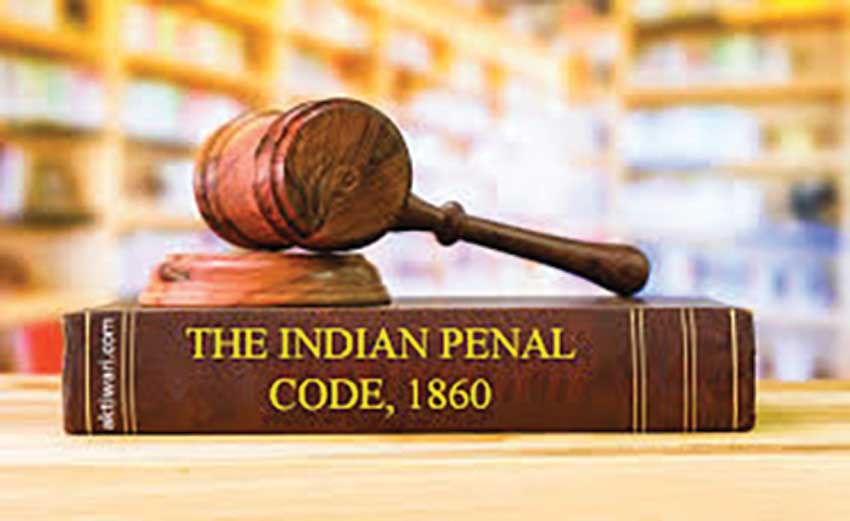
From first July 2024The Bharatiya Nyaya Sanhita (BNS) replaced the Indian Penal Code(IPC); Bharatiya Nagarik Suraksha Sanhita (BNSS) replaced the Code of Criminal Procedure (CrPC), and the Bharatiya Sakshya Adhiniyam (BSA) replaced the Indian Evidence Act.
Completely overhauled criminal justice system empowered with three new criminal laws can do wonders to the ailing system. The old system was created by the British encroachers to serve their interests and harass the public. An enlightened first prime minister deemed it fit to retain the draconian laws. These laws failed democracy again and again. Alleged Criminals enjoyed being parliamentarian or members of state assemblies using the alibi that the matter is sub judice. A convicted prime minister could amend the constitution, declare emergency. She could tame the judiciary by choosing the Chief justice of India, of her choice, allegedly ignoring merit and seniority. Allahabad high court’s decision was dumped using the amended law without questioning the validity of the amendment itself. Millions of people suffered in the dark era of emergency.
Ram mandir case dragged for decades leading to riots and other unrest in the nation but system did not take cognizance.
The plight of lacs of Kashmiri Pandits could not move the conscience of our judicial system which is very prompt to consider the plight of Rohingyas belonging to other country.
Convicted Lalu Prasad ji enjoying unending parole now and previously he enjoyed the benefits of creeping speed of our judicial system. Sanjay Dutt survived to glorify his misadventures in the movies “Sanju”. While space scientist’s unbearable pain of failed judicial system is depicted in “Rocketry the Nambi effect”.
The system has earned so much distrust and low rating that many criminals are enjoying safe heavens outside India just because the local court keep rejecting our extradition requests, quoting the flawed legal system in India. More painful is the fact that no CJI ever felt bad to take up the matter with government to reform the system. Same is the reputation of our police. The old laws were so popular with the criminals that the three new laws were challenged before implementation however supreme court rejected the petition leaving scope for future petitions.
“Supreme Court Dismisses Petition Challenging New Criminal Laws, Says They're Not Even in Force”( Livelaw news network 26 Feb 2024).
Leaders on bail or other offenders are criticizing these new laws.
“90-99 per cent of the so-called new laws are a cut, copy and paste job. A task that could have been completed with a few amendments to the existing three laws has been turned into a…”(— P. Chidambaram (@PChidambaram_IN) July 1, 2024). The media is full of reports which have dissected the shortcomings and the benevolent points in detail. We will examine the human approach element of these laws and what more is needed to make it fully effective.
Why old laws needed to be replaced?
As discussed above the criminal justice system in India has not delivered the results that were expected in an independent nation. The old laws which discriminated between a normal citizen and the ruling class became favourite to the new rulers as well. Indian scriptures recommended higher punishment to the highly placed officials and ministers while the British legacy provided immunity to these people. This has led to mockery of the Constitution where a person having a criminal case registered against him cannot apply for a class four government job but the same person can become an MP. Does it not violet the fundamental right to equity.
Lack of political will to address the issue has led to continuity of these obsolete anti citizen systems and procedure. These laws failed to upheld the dignity of an ordinary citizen. Arbitrary arrests, cumbersome procedure for bail has led to millions of cases where undertrial prisoners have stayed in prisons longer than the period they would have been even if found guilty. No judge or the system shed a tear on the plight of such people.
This could happen because of certain inherent shortcomings which include substandard investigation and prosecution, large pendency of criminal cases, delayed court proceedings, delay in disposal of cases, low conviction rate.
The present government has taken many bold decisions which include scrapping of many obsolete laws, new education policy 2020 and now these new laws. There is always scope for improvement but a good beginning is welcome.
How new laws going to address these issues?
The basic strength of these laws is that these are people centric and solution oriented. The primary aim is speedy delivery of justice and punishment is secondary. It focuses on strengthening the judicial and court management system emphasizing making it accessible to all. Present system is tilted in favour of rich and powerful where speed of delivery depends on the advocate employed. If you afford a senior advocate of supreme court things become rosy. The new laws focus on minimizing these gaps with specific provisions. Few important areas are explained below
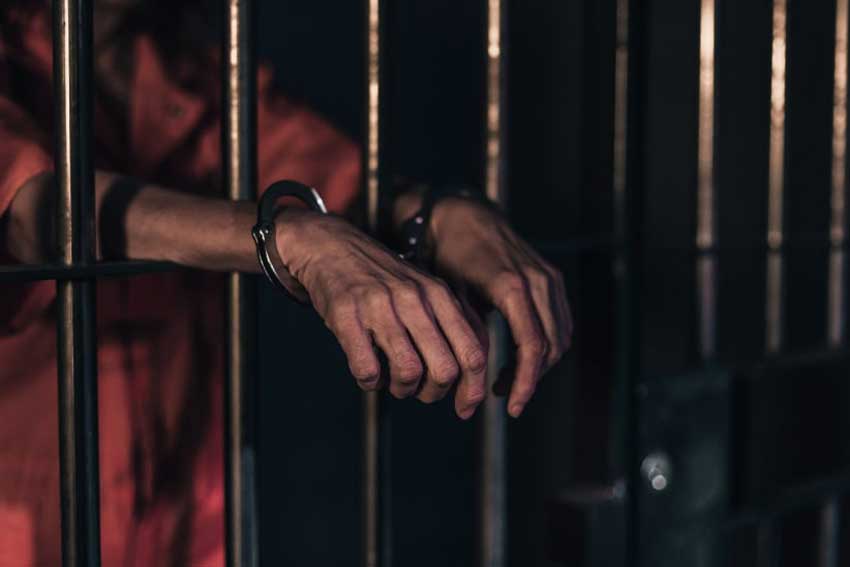
Providing Checks and Balance against the misuse of the power of Police
BNSS has imposed an obligation on the state governments to designate a police officer who would be responsible for maintaining information on all arrests and who arrested them.
To prevent the misuse of provisions related to arrest by the police, the new law requires such information to be displayed prominently in every police station and the district headquarters. Till now police records were kept secret and the focus was not to register the crime to suppress poor performance.
Eradicating Crime Against Women
The BNS introduces a long overdue transformative approach to reporting of crime against women. It will use electronic First Information Reports (e-FIRs). It will lead to fast reporting of offences that need immediate attention. It will also eliminate the cases where police refuses to register the case. The digital platform will ensure swift reporting, overcoming traditional barriers and guards the essence of established legal principles emphasizing timely reporting.
Till now the system was not recognizing societal factors influencing reporting delays. The electronic platform provides secure and safe channel for survivors to report offences. This will support the evolving socio-legal approach to empowering survivors to navigate the legal process without fear of stigma or mighty offenders manipulating the system.
Once the under-reporting of such crimes due to societal pressures is addressed, the broader societal narrative which advocated, “ladke hain Bhool Ho Jati Hai” (boys are boys! and they commit mistakes), may get transformed for a survivor-centric and empathetic legal system. Public awareness campaigns can bridge the gap between technological innovations and societal understanding.
Reducing Overcrowding in Prisons due to apathy to avoidable imprisonment of undertrial
As discussed above Indian poor public suffer on account of not having resources to seek bail in patty crimes even. As a result, individual and his family faces hardship on the other hand state has to bear the cost for this miscarriage of justice. Taking cognizance of this fact he maximum period of detention for undertrials has been reduced for first-time offenders under certain circumstances, and the jail superintendent has been legally empowered to help the accused or undertrials in applying for bail. A good beginning has been made to mitigate this agony to some extent. A first-time offender (never convicted of any offence in the past) will be released on bail if the person has undergone a third of the maximum sentence prescribed.

Embracing Technology for larger good
The big leap taken by the nation in digitization and the BNSS has introduced the use of technology reducing the subjective factor which includes crime scene visit to Investigation to trial. It is expected to be a game-changer as it will ensure a faster trial and ensure transparency in investigation. It is expected that this will result in nabbing the black sheep who are in the habit of misusing the official position.
The inclusion of technology and forensics in investigation will be a significant move to modernize the criminal justice system and harnessing the strength of modern scientific technologies.
Transparency in search and seizure
Considering the risk of manipulation of evidence, an important inclusion in BNSS is the mandatory inclusion of audio-video recording in search and seizure proceedings is. The scope of audio-video recording includes the process of preparing a list of seized items and the signature of witnesses.
Transparency in search and seizure proceedings is likely to deter against fabrication of evidence and ensure the presence of independent witnesses in these proceedings.
To be effective in totality these new laws need reforms in police and judiciary system as well
The delivery of the benefits of these law needs all out support of police and the judiciary. Many new laws or amendments to existing laws have failed to deliver on account of poor investigation and snail-paced progress of the court cases. Police is happy in arresting people and denying bail, evidences are not collected carefully, documentation is shabby and chargesheets are not filed in time. It results in failure in prosecution.
The collegium system has its own shortcomings. It is strange that the judges joining judiciary through judicial services exam rarely reach the highest court, while the practicing advocates lead the pack. It is very difficult to believe that past connections will not influence decisions of these judges. Senior advocates have their pound of flash, it is very difficult for a new advocate to get his case listed while the senior advocates get top priority.
The 2G SCAM case is a live example, supreme court cancelled the allotment of spectrum citing gross irregularities yet the prosecution failed miserably. The 1500 plus page judgment expressed anguish at many places,
“…by the end, the quality of prosecution totally deteriorated and it became directionless and diffident. Not much is required to be written as the things are apparent from the perusal of the evidence itself. However, a few instances would suffice to indicate the behaviour of the prosecution. Several applications and replies were filed in the Court on behalf of the prosecution. However, in the latter and also in the final phase of the trial, no senior officer or prosecutor was willing to sign these applications or replies and the same used to be signed by a junior most officer Inspector Manoj Kumar posted in the Court”
Despite charges against top judges, no body could be punished due to cumbersome procedure of impeachment. Judiciary has foiled every attempt to reform the collegium system.
Conclusion.
Attempt to reform judiciary have not been successful in recent past. Police being a state subject is again difficult. These three new laws have set the ball rolling. On one hand these will help in removing many road blocks in quick delivery of justice, on the other hand it will create more pressure on police and judiciary to improve its systems and processes to match the pace created by these new laws. As of now next few months will see many court cases challenging different section on one count or other, but let’s remember,
“In the absence of justice, what is sovereignty but organized robbery?” unknown
These new laws create a hope in the mind of people. India may take a leaf from Chief Justice P.N. Bhagvati who started the path-breaking practice of treating letters or postcards addressed to judges as writ petitions.
(The content of this article reflects the views of writers and contributors, not necessarily those of the publisher and editor. All disputes are subject to the exclusive jurisdiction of competent courts and forums in Delhi/New Delhi only)

By Rakesh Kumar














Comments (1)
A
You have very rightly said that quality of judiciary and police has to be improved to reap the benefits of new laws.Collegium system for appointment of judges needs to be replaced soon with a new transparent system.Courts and Judges should explain how the powerful get immediate hearing while the poor die in custody waiting for their turn.Judges should also be given yearly targets for disposing of cases.Looking at the large number of cases pending in the courts number of courts and judges has to be increased.In 1986 consumer protection act was implemented with the intention of providing speedy justice in consumer cases.A period of 90 days was fixed for disposing consumer cases at district level.But cases are pending for years.Success ful implementation will much depend on the honesty of higher judiciary and government.