


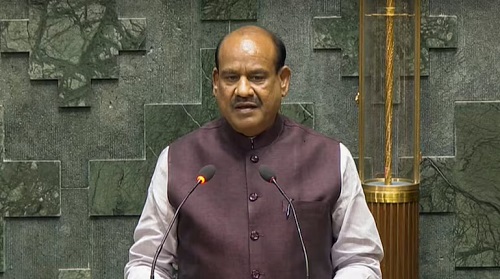
In a significant development that underscores the fissures within the opposition bloc, the Trinamool Congress (TMC) has refused to support a proposed no-confidence motion against Lok Sabha Speaker Om Birla, sources confirmed on Tuesday. This move marks a departure from a coordinated opposition strategy aimed at challenging the Speaker's conduct.
The motion, spearheaded by the Congress, has garnered support from several other key opposition parties, including the Samajwadi Party (SP) and the Dravida Munnetra Kazhagam (DMK). Sources indicate that approximately 102 opposition MPs are currently in favour of initiating the motion. Opposition leaders K Suresh and Mohammad Javed are expected to submit the formal notice to the Secretary General of the Lok Sabha shortly.
The push for the no-confidence motion originates from an incident last week during the discussion on the Motion of Thanks to the President's Address. Leader of the Opposition (LoP) Rahul Gandhi, while speaking on the 2020 India-China standoff, cited excerpts from the unpublished memoir of former Army Chief General M.M. Naravane.
Speaker Om Birla intervened with a ruling, directing Gandhi not to cite unpublished documents in the House, stating such materials were not admissible for parliamentary discussion. This ruling sparked immediate protests from the opposition benches, who alleged that the LoP was being unfairly silenced on a critical matter of national security.
The TMC's decision to opt out of the motion reveals the ongoing challenges in maintaining a united opposition front. While the Congress, DMK, and SP view the Speaker’s action as part of a pattern of stifling opposition voice, the TMC's abstention suggests a tactical divergence.
Political analysts suggest the move could stem from both procedural pragmatism and broader political calculations. A no-confidence motion against the Speaker is a rare and serious parliamentary tool, and its success in a numerically dominant House for the ruling NDA is virtually impossible. Some sections within the opposition may view it as a symbolic gesture rather than a strategically effective one.
"The TMC's stance highlights the differing priorities and strategies within the opposition," noted a political observer. "While some parties are keen on aggressive parliamentary confrontation, others may be weighing the benefits of selective engagement or focusing on state-specific issues."
The submission of the notice will set in motion parliamentary procedure. If admitted, it would lead to a discussion and a vote. However, given the NDA's majority and the TMC's declared lack of support, the motion is destined to fail.
Nevertheless, the episode serves multiple purposes for the opposition: it keeps the spotlight on their allegation of being marginalised in Parliament, rallies their base against the government, and tests the cohesion of the ruling alliance. For the government and the Speaker, it represents another episode of parliamentary friction that they will need to manage while ensuring the House's functioning.
As the 18th Lok Sabha settles into its rhythm, this development signals that the opposition intends to use all available tools to challenge the government, even as internal coordination remains a work in progress. The TMC's break from the pack on this issue is a reminder that opposition unity in Indian politics is often issue-based and fragile, setting the stage for a tumultuous and closely watched parliamentary session.




















Leave Your Comment