


India’s pension landscape has undergone significant transformations over the years, with various schemes designed to ensure the financial security of its aging population. The introduction of the Unified Pension System (UPS) by the Indian government marks a new chapter in this journey. This system is positioned as an all-encompassing framework that integrates the benefits of both the Old Pension System (OPS) and the New Pension System (NPS), while addressing the shortcomings inherent in each. As the country moves towards this unified approach, it is essential to understand the benefits it offers and how it compares to its predecessors.
Historical Context: From OPS to NPS
Before delving into the intricacies of the UPS, it's important to understand the evolution of pension systems in India. The OPS was the earliest form of retirement benefit available to government employees. Introduced during the colonial era and carried forward post-independence, the OPS offered defined benefits to retirees. Under this system, a government employee would receive a pension based on the last drawn salary, with a guaranteed 50% of the final pay, along with dearness allowance (DA) adjustments. This pension was fully funded by the government, ensuring a stable and predictable income for retirees.
However, the OPS had its drawbacks. The financial burden on the government was substantial, especially with increasing life expectancy and a growing number of retirees. The scheme's sustainability was questioned, leading to the introduction of the NPS in 2004. The NPS was a contributory pension scheme, where both employees and the government contributed towards a pension fund. Unlike the OPS, the NPS was a market-linked scheme, where the returns depended on the performance of the invested funds. This system aimed to reduce the fiscal burden on the government while encouraging individuals to save for their retirement.
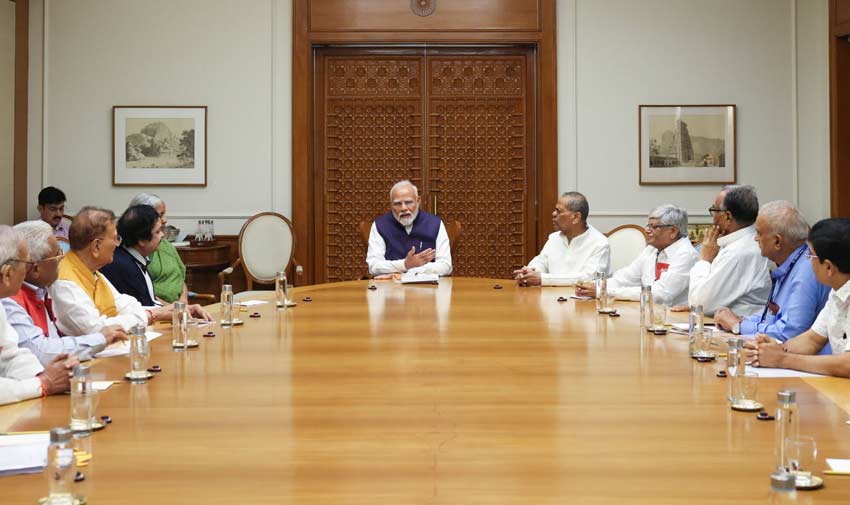
The Advent of the Unified Pension System
The Unified Pension System emerges as a hybrid model that combines the strengths of both OPS and NPS, while introducing new features that make it more attractive and sustainable. The UPS is designed to address the shortcomings of the previous systems, offering a balanced approach that ensures financial security for retirees while maintaining fiscal discipline for the government.
One of the key features of the UPS is its dual-benefit structure. It incorporates a guaranteed pension component similar to the OPS, ensuring that retirees have a stable income post-retirement. However, unlike the OPS, this guaranteed pension is not solely based on the last drawn salary but is linked to the average salary over a certain period. This adjustment ensures that the pension is more reflective of the employee’s overall career earnings, rather than just the final years.
In addition to the guaranteed pension, the UPS also includes a contributory component similar to the NPS. This part of the pension is invested in a diversified portfolio, allowing retirees to benefit from market-linked returns. The government also contributes to this fund, similar to the NPS, but with a cap on the maximum contribution to ensure fiscal responsibility.
Advantages of the Unified Pension System
The UPS offers several advantages over its predecessors, making it a more robust and sustainable system for both retirees and the government.
1. Balanced Approach to Pension Benefits
The most significant advantage of the UPS is its balanced approach to pension benefits. By combining a guaranteed pension with a contributory component, the system ensures that retirees have a stable income while also benefiting from market-linked returns. This dual approach addresses the concerns of both the OPS and NPS, providing retirees with the security of a fixed pension and the potential for higher returns through investments.
2. Sustainability for the Government
One of the primary reasons for the shift from OPS to NPS was the unsustainable fiscal burden on the government. The UPS addresses this concern by capping the government’s contribution to the pension fund, ensuring that the system remains financially sustainable in the long term. This cap prevents the pension liabilities from ballooning out of control, as was the case with the OPS, while still providing adequate benefits to retirees.
3. Flexibility and Customization
The UPS offers greater flexibility and customization for employees compared to the previous systems. Under the NPS, employees had limited control over their investment choices, with most decisions being made by fund managers. The UPS, however, allows employees to choose from a range of investment options, based on their risk appetite and retirement goals. This customization ensures that individuals can tailor their pension plans to meet their specific needs, rather than being confined to a one-size-fits-all approach.
4. Improved Transparency and Governance
The UPS also brings in improved transparency and governance mechanisms. Under the OPS, the pension amount was often opaque, with retirees having little clarity on how their pension was calculated. The NPS, while more transparent, was criticized for its complex structure and lack of clarity on returns. The UPS addresses these concerns by providing clear guidelines on how the pension is calculated and how the funds are invested. This transparency not only builds trust among employees but also ensures that the system operates efficiently and effectively.
5. Inclusion of Private Sector Employees
Another significant benefit of the UPS is its inclusivity. Unlike the OPS, which was limited to government employees, the UPS is designed to be accessible to both public and private sector employees. This inclusivity ensures that a larger segment of the population can benefit from a robust pension system, reducing the dependency on other forms of social security in old age. The inclusion of private sector employees also broadens the contribution base, making the system more financially sustainable.
Challenges and Considerations
While the UPS offers numerous benefits, it is not without its challenges. One of the primary concerns is the implementation of the system across different sectors, especially in the private sector. Ensuring that private companies comply with the new system and encouraging employees to participate will require significant effort from both the government and employers. Additionally, managing the dual-benefit structure and ensuring that the market-linked component provides adequate returns without excessive risk will be crucial to the system’s success.
Another challenge lies in educating employees about the new system. The complexity of the UPS, with its multiple components and investment options, may be overwhelming for some individuals. The government will need to invest in awareness campaigns and financial literacy programs to ensure that employees fully understand the benefits and risks associated with the system.
Conclusion
The Unified Pension System represents a significant advancement in India’s pension landscape. By integrating the best features of the Old Pension System and the New Pension System, the UPS offers a balanced approach that ensures financial security for retirees while maintaining fiscal discipline for the government. Its flexibility, inclusivity, and improved transparency make it a more attractive option for both public and private sector employees. However, the success of the system will depend on its effective implementation, employee awareness, and careful management of the contributory component. If these challenges are addressed, the UPS has the potential to become a cornerstone of retirement security in India, providing a stable and secure future for millions of workers.
By Nilabh Krishna
(The content of this article reflects the views of writers and contributors, not necessarily those of the publisher and editor. All disputes are subject to the exclusive jurisdiction of competent courts and forums in Delhi/New Delhi only)
















Leave Your Comment