


While India’s environmental discourse has long been dominated by plastic pollution and deteriorating air quality, a far more toxic predator is quietly accumulating in our backyards: Electronic Waste, or E-waste. As the world’s third-largest producer of E-waste, India is currently facing a systemic crisis that has largely escaped mainstream scrutiny. From discarded smartphones and obsolete laptops to defunct washing machines and circuit boards, the sheer volume of "technological trash" is growing at a rate nearly three times faster than other waste streams. In a nation racing toward a "Digital India" future, the digital graveyard we are creating poses a lethal threat to both the ecosystem and public health.
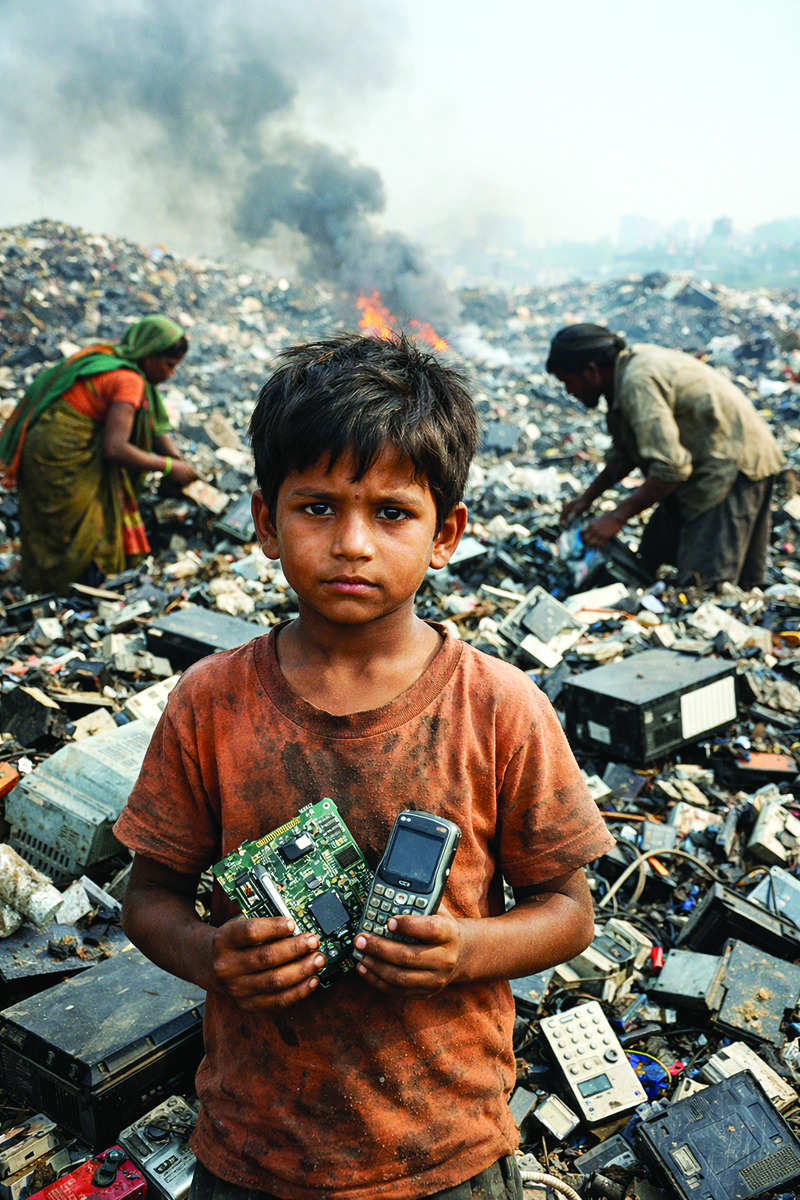
The statistics surrounding India’s E-waste are staggering. According to recent environmental assessments, India generates over 3.2 million metric tonnes of E-waste annually. However, the most alarming fact is not just the volume, but the management: nearly 90% to 95% of this waste is handled by the informal sector. In the congested lanes of Seelampur in Delhi or the scrap yards of Mumbai and Ahmedabad, E-waste is processed by untrained workers—often children—using primitive methods. They burn cables to extract copper and use cyanide or acid baths to recover gold from circuit boards. These "backyard" operations lack any safety protocols, ensuring that the recovery of precious metals comes at the cost of irreversible environmental degradation.
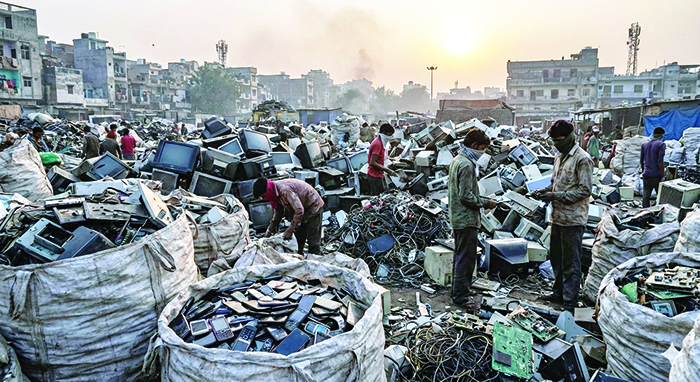
The consequences of this mismanagement are catastrophic. Electronic devices are not merely plastic and metal; they are complex cocktails of hazardous substances. A single lead-acid battery or an old CRT monitor contains enough lead to contaminate thousands of gallons of groundwater. When E-waste is dumped in landfills or processed informally, heavy metals like mercury, cadmium, arsenic, and hexavalent chromium leach into the soil. Once these toxins enter the groundwater table, they find their way into the food chain. For the human population, the results are devastating: chronic exposure leads to kidney damage, neurological disorders, respiratory failure, and severe developmental issues in children. The air we breathe in areas near these informal hubs is thick with dioxins and furans, released during the open-air burning of plastics and wires, which are known carcinogens.
Beyond the health crisis, there is a profound economic irony. E-waste is often referred to as an "urban mine" because it contains precious metals like gold, silver, palladium, and cobalt in concentrations much higher than what is found in natural ores. By allowing this waste to be handled crudely, India is losing billions of dollars in potential resource recovery. In the informal process, a significant percentage of these rare minerals is lost or wasted, further fueling the demand for destructive primary mining. The failure to establish a circular economy for electronics is not just an environmental lapse; it is a massive economic leakage.
To address this, the current "Extended Producer Responsibility" (EPR) framework needs a radical overhaul. While laws exist on paper requiring manufacturers to collect and recycle their products, the implementation remains abysmal. Most consumers are unaware of E-waste collection centers, and for the average Indian household, selling an old phone to a local scrap dealer (kabadiwala) for a few hundred rupees is more convenient than finding a certified recycler. To change this, India must formalize the informal sector. Instead of criminalizing small-scale scrap dealers, the government should provide them with training, protective gear, and the technology to collect waste safely, acting as feeders for large-scale, state-of-the-art recycling plants.
Furthermore, we need a shift in consumer psychology. The "Right to Repair" movement must be strengthened. Currently, electronics are designed with "planned obsolescence," making them difficult or expensive to repair, which forces consumers to buy new models every two years. Legislative action should mandate that companies provide spare parts and modular designs to extend device longevity. Tax incentives for companies using recycled components and strict penalties for "greenwashing"—where companies claim to recycle but secretly dump waste—are essential.
The E-waste crisis is the dark shadow of our digital brilliance. We cannot continue to celebrate the rise in digital connectivity while ignoring the toxic trail it leaves behind. India needs a unified national strategy that integrates technology, policy, and public awareness. Only by transforming our "use-and-throw" culture into a "circular and sustainable" model can we ensure that our digital progress does not result in an ecological graveyard. The time for silent observation has passed; the era of radical accountability must begin.

Viral Desai
(The author is a known Environmentalist and the pioneer of Satyagraha Against Pollution movement, viraludayindia@gmail.com)
(The content of this article reflects the views of writer and contributor, not necessarily those of the publisher and editor. All disputes are subject to the exclusive jurisdiction of competent courts and forums in Delhi/New Delhi only)

















Leave Your Comment