


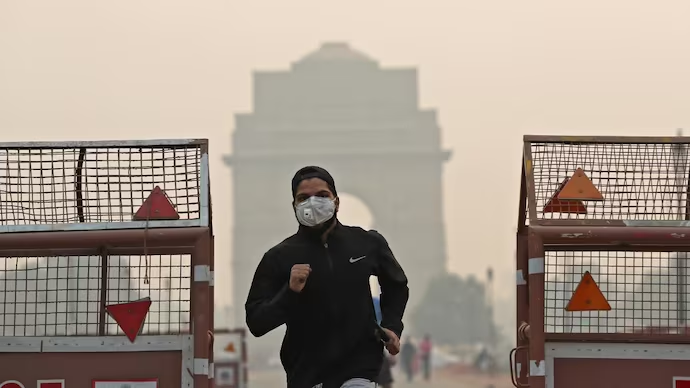
Delhi, the heart of India, is renowned for its rich cultural heritage, bustling streets, and vibrant life. However, in recent years, the city has grappled with a silent adversary - air pollution. The Air Quality Index (AQI) serves as a vital indicator of the air we breathe, and when it lingers in the 'Severe' category, the implications for the health and well-being of Delhi's residents are dire.
The prolonged presence of 'Severe' AQI levels has severe health consequences, particularly for vulnerable populations such as children, the elderly, and individuals with pre-existing health conditions. Respiratory problems, cardiovascular diseases, and an increased risk of respiratory infections are just the tip of the iceberg. The tiny, hazardous particles suspended in the air penetrate deep into the lungs, causing long-term damage and, in extreme cases, even premature death.
Beyond its impact on health, the 'Severe' AQI in Delhi has far-reaching economic implications. Employee absenteeism due to illnesses related to air pollution can result in reduced productivity and increased healthcare costs for both individuals and businesses. The city's reputation as a global business hub could be tarnished, potentially dissuading foreign investments and impacting economic growth in the long run.
The 'Severe' AQI levels not only affect human health but also wreak havoc on the environment. High levels of air pollution contribute to the degradation of ecosystems, harm plant life, and contaminate water bodies. Additionally, the impact on wildlife, especially those residing in and around urban areas, is often underestimated. The delicate balance of nature is disrupted, leading to a cascade of ecological consequences.
Air pollution exacerbates existing social disparities, disproportionately affecting marginalized communities. Residents of low-income neighborhoods often face higher exposure to pollutants due to factors such as proximity to industrial areas and lack of green spaces. The burden of healthcare costs falls heavily on those who can least afford it, creating a cycle of poverty and ill-health that is challenging to break.
The persistence of 'Severe' AQI levels in Delhi underscores the urgency for effective and sustainable policies to combat air pollution. While short-term measures like odd-even traffic schemes and temporary bans on construction activities can provide immediate relief, a comprehensive, long-term strategy is imperative. Investment in cleaner technologies, stringent emission norms, and robust enforcement mechanisms are essential components of a holistic approach to address the root causes of air pollution.
While policymakers play a crucial role, individual responsibility is equally important. Adopting sustainable practices such as using public transportation, reducing energy consumption, and promoting green initiatives can collectively make a significant impact. Citizens must be empowered with information and resources to actively contribute to the fight against air pollution.
Finally, the 'Severe' AQI levels in Delhi serve as a wake-up call for concerted efforts from individuals, communities, and policymakers. Addressing the implications requires a multifaceted approach that prioritizes public health, environmental sustainability, and social equity. The time to act is now, as the consequences of inaction are not only felt today but will cast a long shadow on the well-being and prosperity of future generations in the vibrant capital city of India.




















Leave Your Comment