


In the past 27 years, insect populations have plummeted by a staggering 76%. This is not just about bees, butterflies, or beetles — it’s about the collapse of an entire biological foundation that sustains ecosystems across the planet. What we are witnessing is not a minor environmental fluctuation but a full-blown crisis of biodiversity, with potentially catastrophic consequences for the natural world and human survival.
The Alarming Numbers
The 76% decline in total insect biomass was revealed by a long-term German study published in 2017, which examined protected nature reserves over nearly three decades. Since then, multiple global studies have reinforced the trend — insects are vanishing across continents, across habitats, and across species. Scientists refer to this phenomenon as the "insect apocalypse."
This isn’t a slow, natural process of adaptation or evolution. It’s a man-made disaster fueled by habitat loss, intensive agriculture, pesticide use, climate change, pollution, and light pollution. The fact that this decline occurred even within protected areas highlights the pervasive reach of human impact.
Why Insects Matter...To many, the disappearance of insects might seem trivial or even welcome — after all, who misses mosquitoes or flies? But insects are the unseen engineers of the natural world. They pollinate about 75% of the crops we eat, including fruits, vegetables, coffee, and nuts. They break down waste, recycle nutrients, enrich the soil, and form the food base for countless other species — from birds to amphibians, reptiles to mammals.
Their role in the food chain is irreplaceable. A collapse in insect populations leads to cascading effects throughout ecosystems. Already, bird populations that rely on insects for food are declining. Amphibians and reptiles are vanishing. Even plants that depend on specific pollinators are beginning to show signs of stress.
Bees Are Just the Beginning
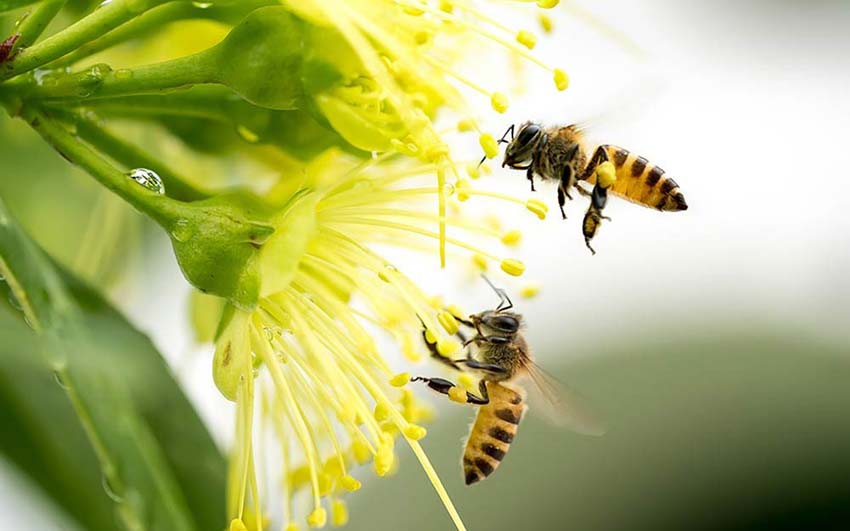
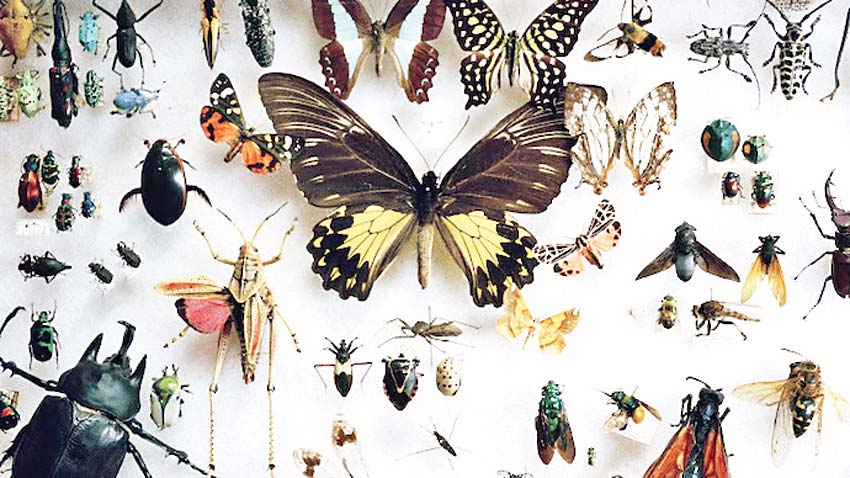
Bees have become the poster child of the insect crisis — and rightly so. Their contribution to agriculture and food security is immense. But the problem extends far beyond bees. Moths, ants, beetles, dragonflies, grasshoppers, and countless lesser-known species are all facing steep declines.
These insects play roles we are only beginning to fully understand. For instance, beetles help decompose animal waste and maintain forest health. Moths pollinate nocturnal plants and serve as key food sources for bats and birds. Losing them would not only harm ecosystems but also impact economic sectors dependent on agriculture and biodiversity.
Causes of Collapse
Several interconnected factors are driving this massive loss:
1. Habitat Destruction: Urbanization, deforestation, and monoculture farming wipe out native vegetation and shelter that insects need to survive.
2. Pesticides and Chemicals: Neonicotinoids and other pesticides are especially harmful to pollinators and beneficial insects. Even sub-lethal doses can affect their navigation, reproduction, and immunity.
3. Climate Change: Rising temperatures, altered rainfall patterns, and extreme weather events disturb insect life cycles and habitats.
4. Light Pollution: Artificial night lighting disrupts nocturnal insect behavior and reproduction, particularly in moths and fireflies.
5. Pollution: Air and water pollution damage insect habitats and food sources, weakening entire populations.
A Wake-Up Call for Humanity
This isn’t just an ecological issue. The collapse of insect populations is a direct threat to food security, public health, and economic stability. As pollinators vanish, crop yields are expected to decline. As decomposers disappear, waste will accumulate and ecosystems will degrade.
It is a stark reminder that nature is not separate from us — we are embedded within it. The decline of insects is the planet's distress signal, warning us of an imbalance we can no longer afford to ignore.
What Can Be Done?
Hope is not lost. Solutions exist — but they require swift and collective action:
Citizens can contribute by planting native flowers, avoiding chemical fertilizers, and supporting eco-conscious brands and policies.
A Choice Before Us
We stand at a crossroads. The collapse of insect populations is not an isolated phenomenon but a symptom of a larger ecological unraveling. We can choose business as usual — and face a future of failing crops, empty forests, and silent springs. Or we can choose to act — to protect, restore, and live in harmony with the small beings that make life possible.

By Viral Desai
(The author is a known Environmentalist and the pioneer of Satyagraha Against Pollution movement, viraludayindia@gmail.com )
(The content of this article reflects the views of writers and contributors, not necessarily those of the publisher and editor. All disputes are subject to the exclusive jurisdiction of competent courts and forums in Delhi/New Delhi only)















Leave Your Comment