


The Pig Butchering scam, a term coined by its perpetrators, is one of the most insidious forms of financial fraud plaguing the digital age. Originating from the concept of "fattening up the pig before slaughter," this scam involves meticulous grooming of victims over a prolonged period to extract maximum financial gain. While it initially gained prominence in Southeast Asia, the scam has now transcended borders, exploiting the vulnerabilities of individuals worldwide. Understanding how this scam operates and taking proactive measures to avoid it is crucial in today's interconnected world.
At its core, the Pig Butchering scam relies on emotional manipulation and trust-building. Typically, scammers target individuals through social media platforms, dating apps, or even text messages sent out at random. The initial contact often appears innocuous—a casual greeting, a request for friendship, or a message claiming a mistaken identity. Once the victim engages, the scammer begins cultivating a relationship, which may span weeks or even months. During this time, the scammer presents themselves as a caring, trustworthy individual, often adopting false personas such as a successful entrepreneur, investor, or expatriate.
The endgame of the scam is to lure the victim into fraudulent investment schemes, often involving cryptocurrencies. As the relationship deepens, the scammer introduces the victim to a "lucrative investment opportunity." This is typically portrayed as an exclusive, high-yield platform with supposed guarantees of significant returns. Victims are often provided with access to professionally designed websites or apps that simulate legitimate trading platforms, complete with fake dashboards displaying impressive gains. The initial investments made by victims often yield "profits," further reinforcing their trust and encouraging them to invest larger sums. However, when victims attempt to withdraw their funds, they are met with delays, additional fees, or outright denial, as the scammers vanish with the money.
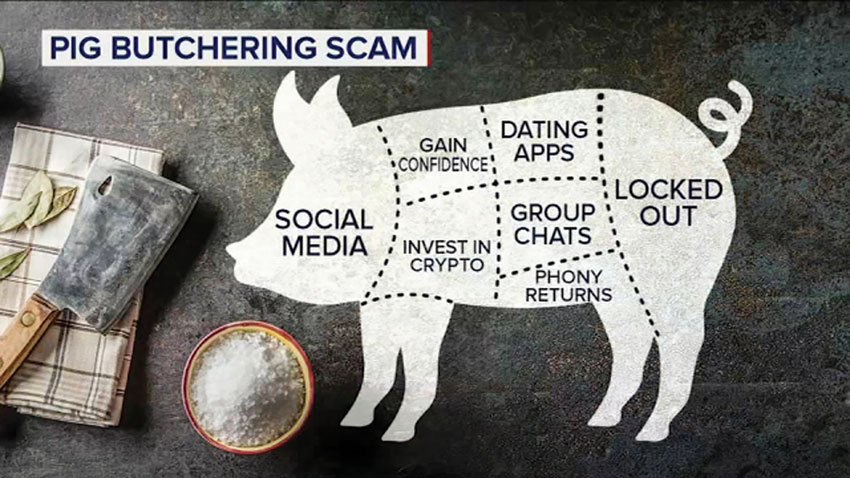
Several factors contribute to the effectiveness of the Pig Butchering scam. The extended grooming period establishes emotional bonds, making victims more susceptible to manipulation. The use of sophisticated technology, such as cloned websites and fake investment platforms, adds an illusion of credibility. Furthermore, the integration of cryptocurrencies—an area many individuals are unfamiliar with—exploits the lack of regulatory oversight and understanding surrounding digital assets.
Avoiding the Pig Butchering scam requires vigilance and awareness. The first step is recognizing unsolicited contacts as potential red flags. Legitimate professionals or investment advisors rarely approach individuals through casual messages on social media or dating platforms. Any investment opportunity that promises unusually high returns with little to no risk should be approached with skepticism, as such guarantees are hallmarks of fraudulent schemes.
Conducting thorough research is essential before committing to any financial investment. This includes verifying the credentials of the individual or company offering the opportunity, cross-referencing information with reputable sources, and seeking independent advice from financial experts. When dealing with online investment platforms, look for signs of legitimacy, such as proper registration, regulatory compliance, and transparent operations. It is also advisable to rely on well-established investment avenues rather than obscure platforms that lack a proven track record.
Another critical aspect of safeguarding oneself is maintaining strict privacy standards online. Avoid sharing personal information, financial details, or sensitive data with individuals or platforms that you cannot independently verify. Be cautious of relationships that escalate quickly or individuals who pressure you into making financial decisions. Scammers often use urgency as a tactic to cloud judgment and compel victims to act impulsively.
For those who suspect they have been targeted or fallen victim to the Pig Butchering scam, prompt action can mitigate losses. Reporting the incident to law enforcement and relevant regulatory bodies is crucial for initiating investigations and possibly recovering funds. Additionally, victims should immediately cease all communication with the scammer, secure their online accounts, and seek legal or financial counsel to address the fallout.
The rise of the Pig Butchering scam underscores the need for digital literacy and proactive measures in combating cybercrime. By staying informed, exercising caution, and fostering a culture of skepticism toward unsolicited offers, individuals can shield themselves from falling prey to such schemes. While technology has empowered societies in numerous ways, it has also equipped malicious actors with new tools for exploitation. Vigilance, therefore, remains the strongest defense in navigating this complex landscape.
Uday India Bureau















Leave Your Comment