


The Syrian crisis, which began in 2011, has evolved into one of the most complex and devastating conflicts of the 21st century. Triggered by domestic unrest and external interventions, it has had far-reaching implications, including for India and the regional geopolitical landscape. The crisis originated during the Arab Spring, with protests against President Bashar al-Assad’s regime escalating into a civil war due to a violent government crackdown. What began as a domestic demand for political reforms soon spiraled into a multifaceted conflict involving multiple domestic factions, regional players, and global powers. While Assad’s government received backing from Russia and Iran, opposition forces were supported by the US, Turkey, and Gulf nations. The rise of extremist groups like ISIS further complicated the conflict, drawing international coalitions into the fray.
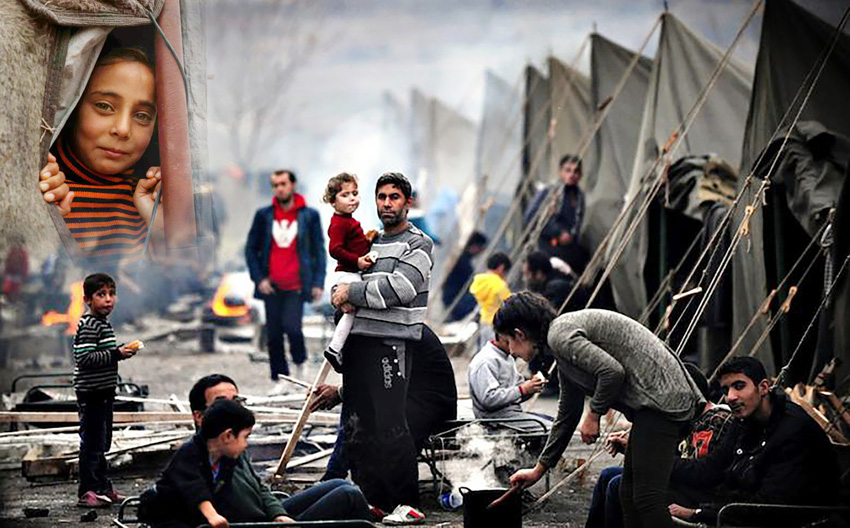
The war’s humanitarian toll has been staggering, with over 500,000 fatalities and millions displaced internally and externally. Refugees fleeing the conflict have strained resources in neighboring countries such as Turkey, Lebanon, and Jordan, while Europe has faced social and political challenges due to the influx of asylum seekers. This instability has not only reshaped the region but also affected global geopolitics, including India’s strategic and economic interests.
For India, the Syrian crisis has had significant ramifications. Energy security has been a critical concern, given India’s dependence on Middle Eastern oil. The conflict has contributed to volatility in global oil prices, underscoring the need for India to diversify its energy sources. Additionally, the rise of ISIS and other extremist groups has heightened India’s concerns about terrorism and radicalization, prompting vigilance over the potential spread of such ideologies domestically. With over 9 million Indians working in the Gulf, stability in the Middle East is vital for safeguarding their safety and ensuring continued remittances, which form a significant part of India’s economy.

India’s geopolitical stance on the Syrian crisis reflects its broader foreign policy principles of non-intervention and respect for sovereignty. New Delhi has consistently advocated for a peaceful resolution through dialogue, maintaining a delicate balance in its relationships with key stakeholders such as Russia, the US, and Iran. This balanced approach has allowed India to protect its interests in the region while avoiding entanglement in the sectarian dynamics that have been exacerbated by the crisis.
India has historically maintained cordial relations with Assad's Syria, which has been mutually beneficial. Syria has supported India's stance on Kashmir in international forums, and India, in turn, has extended technical and economic assistance to Syria in sectors such as education, healthcare, and capacity building. These ties reflect shared strategic interests and a longstanding friendship. The potential fall of Assad’s regime could disrupt this relationship, potentially paving the way for a government less aligned with India’s interests or more influenced by adversarial powers. This could also weaken India’s diplomatic leverage in the region and its ability to project influence in West Asia.
The crisis has also influenced the broader regional geopolitics, reshaping alliances and power structures. The Iran-Russia-Turkey partnership has emerged as a key axis, challenging US influence in the Middle East. This realignment has implications for India’s ties with Iran, particularly regarding energy and connectivity projects like the Chabahar port. The deepening sectarian divide between Sunni-majority states like Saudi Arabia and Shia-majority Iran has fueled conflicts across the region, further complicating India’s navigation of Middle Eastern politics. Moreover, China’s growing involvement in the region through its Belt and Road Initiative underscores the strategic competition that India faces in maintaining its influence.
The Syrian crisis highlights the interconnected nature of global challenges and their impact on India’s domestic and foreign policy. It underscores the importance of strengthening energy security, counterterrorism measures, and diplomatic engagements. As Syria slowly moves toward recovery, India’s role as a stabilizing force through humanitarian aid and multilateral cooperation could contribute to long-term peace and stability. This approach not only aligns with India’s strategic interests but also enhances its standing as a responsible global player in an increasingly fragmented world.
Uday India Bureau















Leave Your Comment