


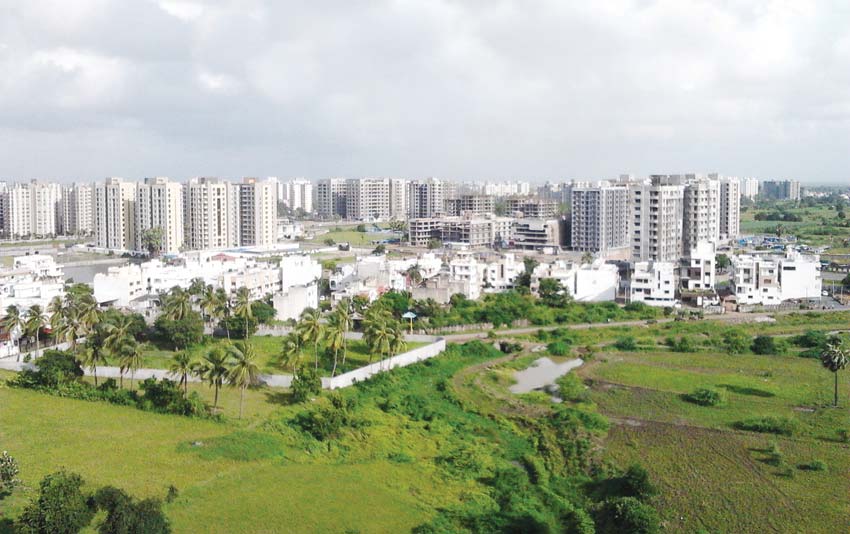
Surat, often celebrated as the diamond hub of India, has now polished its reputation with an even rarer gem: becoming the nation's first city to achieve a fully 'Green BRTS' (Bus Rapid Transit System). This monumental transition, spearheaded by the Surat Municipal Corporation (SMC), is not merely an upgrade of its transport fleet but a bold stride towards India's ambitious goal of becoming a Net Zero Carbon country by 2070. The economic and environmental ripples generated by this change offer a compelling blueprint for other urban centres battling pollution and budgetary constraints.
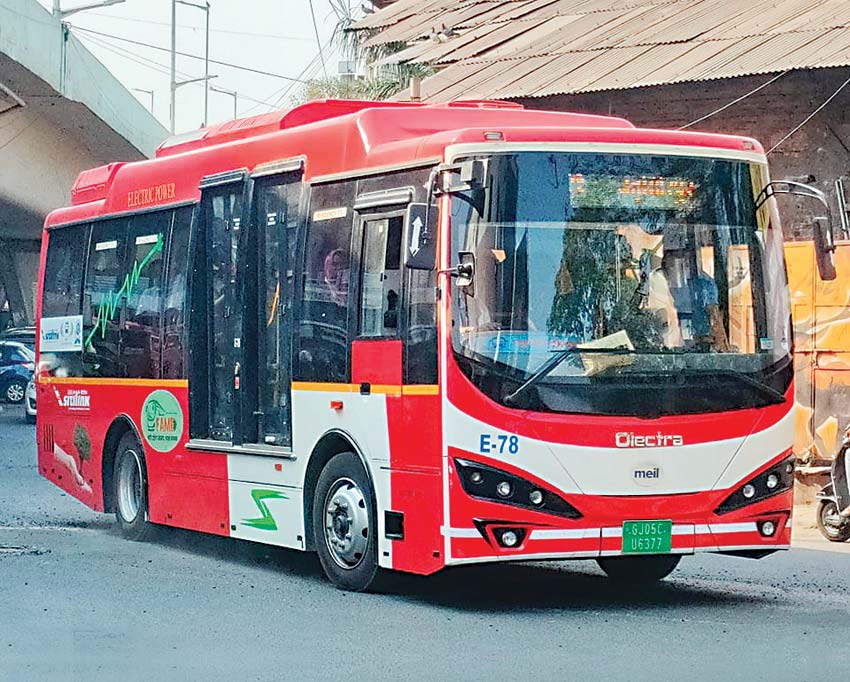
The transformation is comprehensive and absolute. The SMC took a decisive step to convert its entire mass transportation system to green energy, successfully replacing all 352 diesel buses operating across 13 BRTS routes with electric buses. This means that on Surat's BRTS network, a crucial artery for the city's two lakh daily commuters, not a single diesel bus is operational anymore. While 1.25 lakh travelers are currently enjoying the benefits of these new electric buses, the impact extends far beyond passenger comfort and convenient travel; every journey now actively contributes to the preservation of the environment.
The economic implications of this green shift are immediately apparent and substantial. According to figures released by the SMC, the induction of these electric buses is resulting in an annual saving of approximately *18 lakh litres of diesel*, translating to a daily fuel conservation of roughly 6,000 litres. This colossal saving provides a robust financial return, demonstrating that sustainable transport systems are not just an environmental cost but a significant economic asset. The long-term reduction in fuel procurement and maintenance costs—electric buses require less upkeep due to fewer moving parts—further solidifies the financial viability of this project.
On the environmental front, the impact is nothing short of transformative for the city’s air quality and climate goals. The immediate positive effect of zero tailpipe emissions has been a success in preventing the emission of approximately 200 tonnes of Carbon Dioxide (CO2) every month. Annually, this mitigation effort translates to a massive reduction of 2,372 tonnes of CO2 emissions. Furthermore, environmental experts note that this transition has led to an estimated 15% reduction in the city’s overall pollution levels, with a marked decrease in toxic elements like PM 2.5 and Nitrogen Oxides. The air is cleaner, the streets are quieter, and the public health benefits for Surat's residents are invaluable.
Surat’s success story underscores a critical national need: the urgent decarbonisation of urban mobility. For too long, Indian cities have grappled with debilitating air pollution, with the transport sector being a primary contributor. India’s cities are the engines of economic growth, but they are also grappling with rising respiratory illnesses and climate vulnerability. The choice for other metropolitan and Tier-2 cities is clear: embracing green public transportation is the most effective and equitable way to address the twin crises of air pollution and climate change.
Cities across the country must follow Surat's lead by prioritising the electrification of their public fleets and establishing fully 'Green Transit Systems'. Electrification reduces the reliance on imported fossil fuels, boosting energy security while significantly lowering operating costs for transport undertakings, ultimately benefiting the public exchequer. Moreover, a clean, reliable, and modern public transport system encourages citizens to move away from single-occupancy private vehicles, tackling congestion and further amplifying emission reduction efforts.
Ultimately, the Surat Municipal Corporation, by fully converting its BRTS to an electric-only system, has cemented its place as a national leader in urban sustainability. It has laid a tangible, profitable, and pollution-free foundation, leaving a distinct mark on the path towards India’s 'Net Zero' carbon emission target. This is a powerful message to all Indian urban authorities: investing in green transit is not merely an environmental favour, but a smart, strategic investment in the economic health, public well-being, and sustainable future of the city. The time for other cities to accelerate their shift to electric mobility is now, ensuring that the momentum established by Surat propels the entire nation toward a cleaner and more resilient future.

By Viral Desai
(The author is a known Environmentalist and the pioneer of Satyagraha Against Pollution movement, viraludayindia@gmail.com )
(The content of this article reflects the views of writer and contributor, not necessarily those of the publisher and editor. All disputes are subject to the exclusive jurisdiction of competent courts and forums in Delhi/New Delhi only)














Leave Your Comment