


In a significant move to streamline the massive task of electoral roll revision in West Bengal, the Supreme Court has intervened to bolster judicial resources, allowing the Calcutta High Court to requisition civil judges and judicial officers from the neighbouring states of Jharkhand and Odisha. The extraordinary measure aims to clear a staggering backlog of approximately 80 lakh claims and objections filed during the Special Intensive Revision of electoral rolls in the state.
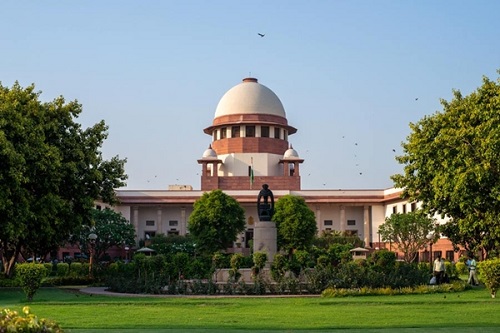
A bench headed by Chief Justice Surya Kant issued the order after taking note of a communication from the Calcutta High Court Chief Justice, which highlighted the logistical challenges of the verification process. The letter stated that while 250 district judges are currently engaged in the exercise, they would require around 80 days to complete the verification of the massive number of pending claims. Given the tight schedule and the magnitude of the task, the court deemed it necessary to deploy additional manpower.
To expedite the process, the apex court permitted the deployment of additional civil judges. Furthermore, in a rare move reflecting the urgency, the Calcutta High Court was authorized to seek the assistance of judicial officers of a similar rank from the high courts of Jharkhand and Odisha. This cross-state requisition of judicial officers underscores the extraordinary administrative steps being taken to ensure the electoral roll is updated accurately and efficiently.
The Supreme Court directed that the entire expenditure for deploying officers from Jharkhand and Odisha, including their travel, accommodation, and other allowances, be borne by the Election Commission of India. The court also set a clear timeline for the poll panel, permitting it to publish the final electoral roll on February 28. However, it clarified that the revision process is not entirely closed, stating that supplementary lists may be issued as the verification of claims progresses.
Invoking its plenary powers under Article 142 of the Constitution—which allows the apex court to pass orders necessary for doing "complete justice" in any cause or matter—the court provided a crucial clarification. It said that eligible voters identified through the ongoing verification process could be included in supplementary rolls, which would form an integral part of the final published list. This ensures that no legitimate voter is disenfranchised simply because their claim was processed just after the publication deadline.
This order is the latest development in a long-standing dispute between the West Bengal government and the Election Commission over the revision of electoral rolls. The court had previously expressed concern over the friction between the state machinery and the poll panel, leading to its initial order for the deployment of serving and former district judges to oversee the exercise. The latest decision to bring in judges from outside the state further highlights the court's determination to insulate the process from local political influence and ensure a fair and timely revision, safeguarding the purity of the electoral process in the state.














Leave Your Comment