


In a significant ruling touching upon the complex questions of life, dignity, and medical ethics, the Supreme Court of India on Wednesday permitted the withdrawal of life support for a 31-year-old man who has remained in a persistent vegetative state for the past 13 years following a tragic accident. The decision came after his parents approached the court seeking permission to allow him to die with dignity.
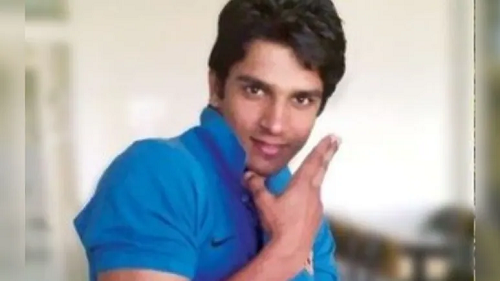
The man, Harish Rana, was a student at Panjab University when he fell from the fourth floor of a paying guest accommodation in 2013, sustaining severe brain injuries. The accident left him in a persistent vegetative state, forcing him to depend entirely on medical support and caregivers for survival.
Since the incident, Rana has been bedridden and dependent on a tracheostomy tube for breathing and a gastrojejunostomy tube for feeding. Despite continuous medical care, doctors reported no improvement in his condition over more than a decade.
A bench comprising Justices J. B. Pardiwala and K. V. Viswanathan acknowledged the emotional and ethical complexities involved in such cases while allowing the withdrawal of life-sustaining treatment.
Justice Pardiwala reflected on philosophical questions surrounding the right to die, quoting American minister Henry Ward Beecher: “Gods ask no man if he accepts life, you must take it.” He also referred to William Shakespeare’s famous line from Hamlet — “To be or not to be” — while discussing the dilemma courts face when deciding such deeply personal matters.
The bench stated that withdrawal of life support must be based on two essential considerations: whether the intervention qualifies as medical treatment and whether discontinuing it serves the best interests of the patient.
In its order, the court noted that Rana once had a promising future as a young student before the accident changed his life permanently. Medical reports placed before the court indicated that he has shown no signs of recovery for 13 years, though he continues to experience a sleep-wake cycle and remains dependent on others for all bodily functions.
While acknowledging the duty of doctors to preserve life, the court observed that such an obligation cannot continue indefinitely when there is no realistic hope of recovery.
The court directed that Rana be admitted to All India Institute of Medical Sciences (AIIMS) for palliative care before the withdrawal of life support. It emphasised that the process must follow a carefully designed medical plan to ensure that the patient’s dignity is preserved throughout.
The bench also recognised the extraordinary dedication of Rana’s parents, who cared for their son tirelessly over the years despite their advancing age.
“His family never left his side… to love someone is to care for them even in the darkest times,” the court observed, adding that the decision reflects not just legal reasoning but also the emotional realities of love, life, and loss.
While delivering its verdict, the court urged the Centre to consider enacting a comprehensive law on passive euthanasia. Currently, such decisions in India require judicial approval and evaluation by medical boards.
Passive euthanasia in exceptional circumstances was first recognised by the Supreme Court in the landmark Aruna Shanbaug vs Union of India judgment in 2011. Aruna Shanbaug, a nurse who remained in a vegetative state for over four decades after a brutal assault, became the face of India’s debate on the right to die with dignity. Though the court rejected the plea to withdraw her life support, it laid down guidelines permitting passive euthanasia in rare and exceptional cases.
The latest ruling is likely to reignite national debate around end-of-life care, medical ethics, and the legal recognition of an individual’s right to die with dignity—an issue that continues to challenge lawmakers, doctors, and courts alike.
















Leave Your Comment