


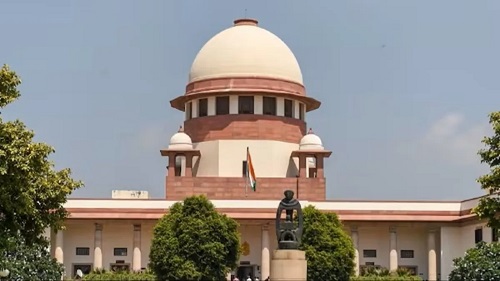
In a significant development in the Jammu and Kashmir terror funding case, the Supreme Court of India on Wednesday granted bail to Kashmiri separatist leader Shabir Ahmad Shah, who has been facing allegations of involvement in terror financing and supporting separatist activities in the Valley. The court clarified that Shah’s release will be subject to specific conditions, which will be detailed in a formal written order expected to be issued shortly.
A bench of the apex court observed that while bail has been granted, the exact terms governing Shah’s release will be outlined in a forthcoming order. The judges stated that the detailed bail conditions would be made public soon and must be strictly followed for the release to take effect.
“The detailed order with conditions will be issued soon,” the court noted during the hearing, indicating that Shah’s bail will remain conditional until the terms are formally specified. Legal experts believe the court’s order will likely include restrictions related to travel, communication, and possible monitoring requirements, given the sensitive nature of the allegations.
Shabir Ahmad Shah, often referred to as the “Nelson Mandela of Kashmir” by some supporters, has long been a prominent figure in separatist politics in Jammu and Kashmir. Over the decades, he has been associated with various political movements advocating for the region’s self-determination. However, he has also faced multiple legal cases related to alleged terror funding and links to separatist networks.
The case against Shah is part of a broader investigation conducted by the Enforcement Directorate into alleged terror financing networks operating in Jammu and Kashmir. The probe focuses on suspected financial channels used to fund separatist activities and unrest in the region. Investigators have alleged that funds from various sources, including hawala transactions, were routed to support anti-India activities in the Valley.
Shah was arrested in connection with the case and has remained in custody for several years while legal proceedings continued. His lawyers had repeatedly approached the courts seeking bail, citing the prolonged duration of his detention and arguing that the trial process was moving slowly.
The prosecution, however, has maintained that the charges against him are serious and involve national security concerns. Authorities claim the alleged financial networks played a role in sustaining separatist activities and destabilising the region during periods of heightened tension.
The Supreme Court’s decision to grant bail marks an important moment in the ongoing legal proceedings. While the ruling does not amount to an acquittal, it allows Shah to seek release from custody provided he adheres to the conditions set by the court once the written order is issued.
Legal observers note that bail decisions in cases involving allegations of terror funding often involve careful judicial scrutiny, balancing individual liberty with national security considerations.
Further details regarding the specific conditions attached to Shabir Ahmad Shah’s bail are awaited, and the full written order from the Supreme Court of India is expected to provide greater clarity on the restrictions and requirements that will govern his release.



















Leave Your Comment