


Studio Ghibli, the renowned Japanese animation studio, has captured global attention with its breathtaking visuals and profound storytelling. In recent times, its distinctive "Ghibli art" style has trended widely in India, fueled by the rise of AI-generated Ghibli-inspired portraits and a growing fascination with Japanese culture. Beyond its aesthetic appeal, Studio Ghibli’s work carries a deeper message—nature conservation. This article explores the importance of environmental themes in Ghibli’s creations, compares it with other Japanese animations, and argues why India should invest in similar environmentally conscious cartoons to address the apathy and lack of awareness among its youth.
Nature as a Living Entity in Studio Ghibli
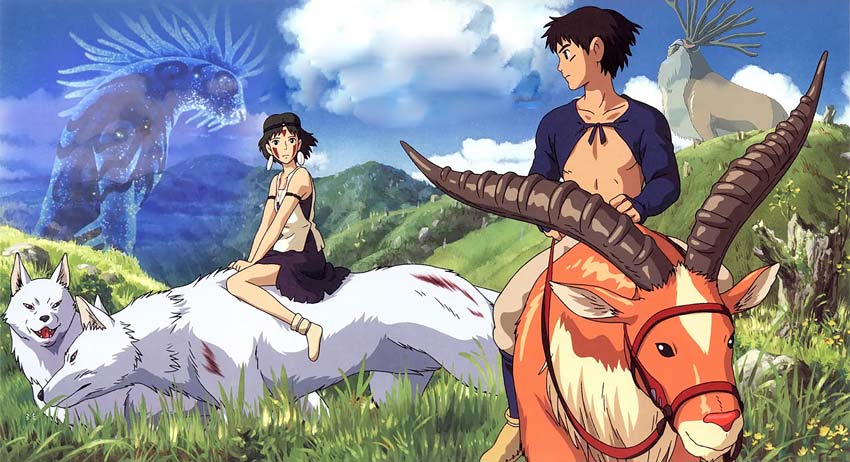
Founded in 1985 by Hayao Miyazaki, Isao Takahata, and Toshio Suzuki, Studio Ghibli has redefined animation by placing nature at the heart of its narratives. Films like Princess Mononoke, My Neighbor Totoro, and Nausicaä of the Valley of the Wind showcase nature not merely as a backdrop but as a dynamic, sentient force. In Princess Mononoke, the conflict between industrialization and the forest spirits underscores the consequences of human greed, urging viewers to seek harmony with the environment. The Forest Spirit, a deity embodying life and death, symbolizes nature’s dual power to nurture and destroy, depending on how it is treated.
Similarly, My Neighbor Totoro portrays nature as a source of wonder and solace. The titular character, Totoro, a forest spirit, fosters a bond between two young sisters and their rural surroundings, subtly teaching respect for the natural world. Nausicaä of the Valley of the Wind takes this further, depicting a post-apocalyptic world where the protagonist strives to heal a toxic ecosystem, revealing nature’s resilience when nurtured rather than exploited. These films weave environmentalism into their core, drawing from Shinto beliefs that revere nature as sacred, inhabited by spirits or "kami." This philosophy elevates Ghibli’s art, making it a powerful medium for ecological reflection.
Environmental Themes in Other Japanese Animations
While Studio Ghibli stands out, other Japanese animations also emphasize environmental consciousness, though often with varying depth. Makoto Shinkai’s Weathering with You tackles climate change head-on, portraying a Tokyo inundated by relentless rain. The film’s protagonists grapple with a chaotic natural world, highlighting humanity’s vulnerability to environmental shifts. Unlike Ghibli’s optimistic resolutions, Shinkai offers a more bittersweet narrative, reflecting the real-world complexity of climate crises.
Another example is Wolf Children by Mamoru Hosoda, where nature serves as a refuge for a family of half-human, half-wolf children. The rural setting contrasts with urban alienation, subtly advocating for a return to simpler, nature-aligned living. Even popular series like Pokémon occasionally touch on conservation, with episodes addressing deforestation and pollution, though its primary focus remains entertainment. Compared to Ghibli’s nuanced storytelling, these works vary in their environmental emphasis, but they collectively reflect Japan’s cultural sensitivity to nature, rooted in traditions like Shinto and a history of coexisting with diverse ecosystems.
The Need for Environmental Animation in India
India, with its rich biodiversity and pressing environmental challenges, stands to benefit immensely from animations that prioritize nature conservation. While Studio Ghibli’s art gains traction among Indian audiences—evident in the viral "Ghibli Effect" trend on social media—the country lacks homegrown animated content with similar depth. Indian cartoons like Chhota Bheem and Motu Patlu entertain millions but rarely address ecological themes. This gap is concerning, especially given the apathy and lack of awareness among India’s younger generation toward environmental issues.
Today, India faces deforestation, air pollution, and water scarcity, yet surveys indicate that environmental concerns rank low among youth priorities. A 2023 report by the Centre for Science and Environment found that only 25% of Indian teens actively engage in sustainability efforts, often overshadowed by academic pressures and digital distractions. This indifference stems partly from a lack of accessible, relatable narratives that inspire action. Animation, with its universal appeal, could bridge this gap, making conservation engaging and emotionally resonant for children and teens.
Imagine an Indian animated series set in the Sundarbans, where a young protagonist teams up with a tiger spirit to combat illegal logging. Or a cartoon inspired by the Chipko movement, blending folklore with modern-day activism. Such stories could mirror Ghibli’s approach—using vibrant visuals and compelling characters to instill pride in India’s natural heritage while highlighting the urgency of protecting it. By weaving in local contexts, like the reverence for rivers in Hinduism or tribal ecological wisdom, these animations could resonate deeply, fostering a sense of responsibility among the youth.
Addressing Youth Apathy and Raising Awareness
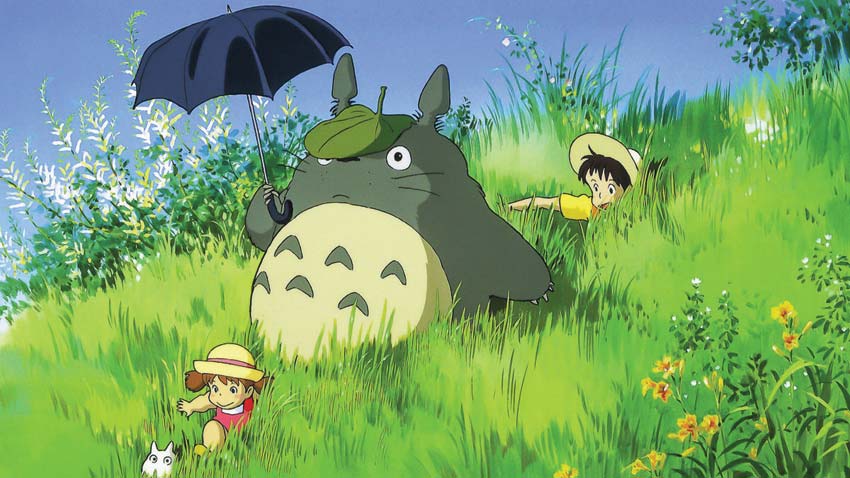
The current lack of environmental awareness among India’s new generation is a call to action. Unlike Japan, where cultural narratives reinforce nature’s value, India’s rapid urbanization has distanced many from their ecological roots. Animation offers a creative solution, capable of reaching urban and rural audiences alike. It can counter the apathy by presenting nature as a relatable, living entity—much like Totoro or the Forest Spirit—rather than an abstract concept debated in classrooms.
Moreover, India’s animation industry is growing, with talents like those behind Baahubali: The Lost Legends showing potential for impactful storytelling. Government and private investment in eco-themed projects could amplify this momentum, especially as global platforms like Netflix and Amazon seek diverse content. Collaborations with environmental organizations could ensure authenticity, turning cartoons into tools for education and advocacy.
In conclusion, Studio Ghibli’s trending art in India highlights a universal hunger for stories that celebrate and protect nature. Its emphasis on conservation, echoed in other Japanese animations, offers a blueprint for India to follow. By creating animated narratives that reflect local environmental struggles and values, India can inspire its youth to move beyond indifference, cultivating a generation that cherishes and safeguards its natural world. The time is ripe for India to harness animation’s power—not just for entertainment, but for a greener future.

By Viral Desai
(The author is a known Environmentalist and the pioneer of Satyagraha Against Pollution movement, viraludayindia@gmail.com )
(The content of this article reflects the views of writers and contributors, not necessarily those of the publisher and editor. All disputes are subject to the exclusive jurisdiction of competent courts and forums in Delhi/New Delhi only)















Leave Your Comment