


The Mahakumbh Mela is not merely a religious congregation but a living testimony to India’s timeless spiritual and cultural heritage. Celebrated once every 12 years at one of four locations—Prayagraj, Haridwar, Ujjain, and Nashik—this grand event attracts millions of devotees, saints, and spiritual leaders from across the world. Each site’s celebration is based on a distinct set of astrological positions of the Sun, the Moon, and the Jupiter. The celebrations occur at the exact moment when these positions are fully occupied, as it is considered to be the holiest time in Hinduism. The Kumbh Mela is an event that intrinsically encapsulates the science of astronomy, astrology, spirituality, ritualistic traditions, and socio-cultural customs and practices, making it extremely rich in knowledge.
Pilgrims to the Kumbh Mela come from all sections of the religion ranging from Sadhus (saints) and Naga Sadhus who practice ‘sadhana’ and keenly follow a strict path of spiritual discipline, to Hermits who leave their seclusion and come to visit the civilization only during the Kumbh Mela, to seekers of spirituality, and to common people practicing Hinduism.
During the Kumbh Mela, a number of ceremonies take place; the traditional procession of Akharas called ‘Peshwai’ on elephant backs, horses and chariots, the shining swords and rituals of Naga Sadhus during ‘Shahi Snaan’, and many other cultural activities that attract millions of pilgrims to attend the Kumbh Mela.
Rooted in ancient tradition and mythology, the Mahakumbh is an embodiment of India’s deep connection with its spiritual past and its ability to preserve age-old customs amidst rapid modernization. Kumbh Mela is a stop on the cultural journey that has been going on for centuries, which includes rivers, stories, myths, rituals, sanskars, concerns and our countless spiritual and social consciousness, on the basis of which we have been maintaining our traditions well and have been creating and beautifying ourselves. This tirelessly flowing journey also includes the voices of the rivers, which Kumbh itself comes to hear and so do millions of people who dream of joining Kumbh.
This amazing, incomparable, supernatural journey includes the wait of 12 years, the holy banks of the holy rivers, the special position of the stars, the thunder of special bathing festivals, the gathering of saints and sages, all the stars of the religious sky and their splendor, the aspirations of the Kalpavasis and the establishment of the world's largest temporary city in no time.
This journey turns into a folk festival at every stop after 12 years, in which Indian culture, while jumping and frolicking, shows its power to absorb the whole world into itself. The truth is that the Indian concept of 'Vasudhaiva Kutumbakam' is easily realized in this folk festival.
Origin and Mythological Significance

In fact, collectivism is inherent in the concept of Indian culture. From the very beginning, we have presented ourselves by considering the world as one family. In all our cultural consciousness, the group comes first, then the individual. This is the reason why events like Kumbh have the ability to absorb not only the country but the entire world within themselves. This is the reason why in any Kumbh Mela, cultures are found shining in their full glory at every step. The origins of the Kumbh Mela are intertwined with Hindu mythology, specifically the story of the Samudra Manthan (churning of the ocean). According to legend, the gods and demons churned the ocean to obtain Amrit, the nectar of immortality. During the churning, the pot of nectar was carried by the celestial bird Garuda, and drops of it fell at four locations—Prayagraj, Haridwar, Ujjain, and Nashik. These sites are believed to hold divine energy, and the Kumbh Mela is celebrated to commemorate this celestial event.
The Mahakumbh Mela, which occurs every 144 years (after 12 Purna Kumbhs), is considered the most significant among all Kumbh celebrations. The alignment of celestial bodies during this period is believed to amplify spiritual benefits, making it an auspicious time for purification and salvation.
Cultural and Religious Importance
The Mahakumbh transcends religious boundaries, representing a confluence of cultures and spiritual ideologies. For Hindus, bathing in the sacred rivers during the Mela is believed to cleanse sins and pave the way for Moksha (liberation). The event is also a platform for spiritual discourse, where sages and scholars gather to exchange philosophies.
Beyond its spiritual significance, the Mahakumbh is a celebration of India’s cultural diversity. The vibrant fairs, folk performances, and traditional art exhibitions reflect the richness of Indian heritage. The event also serves as a unifying force, bringing together people from various walks of life to celebrate their shared beliefs.
Mahakumbh during the British Era
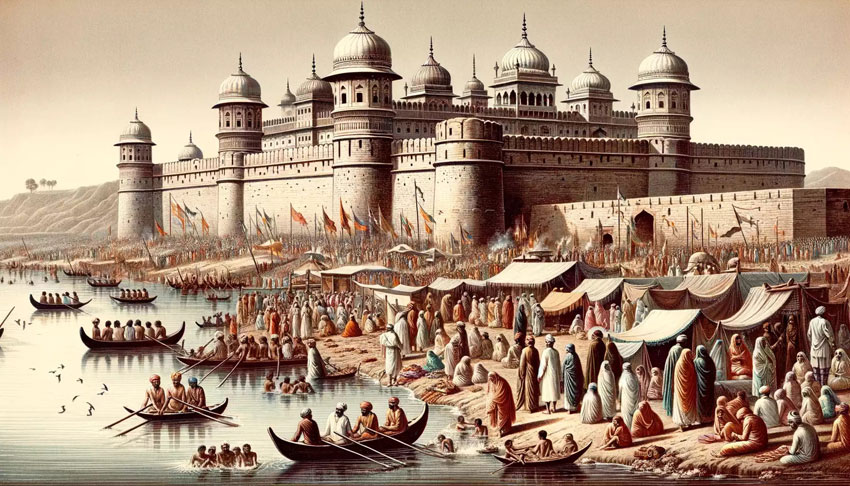
During British colonial rule, the Mahakumbh faced significant challenges. The British authorities, initially unaware of the event's magnitude, were often unprepared for the influx of millions of pilgrims. The 19th-century cholera epidemic during the Kumbh Mela in Haridwar highlighted the need for organized management of such mass gatherings.
Recognizing the importance of the event for Indian society, the British eventually began implementing measures to ensure safety and order. They introduced basic infrastructure like sanitation facilities, medical camps, and water supply systems. However, these efforts were often limited and lacked the comprehensive planning seen in modern times. The colonial administration viewed the Kumbh primarily as a law-and-order challenge rather than a cultural phenomenon to be nurtured.
A Testament to India's Spiritual and Managerial Excellence
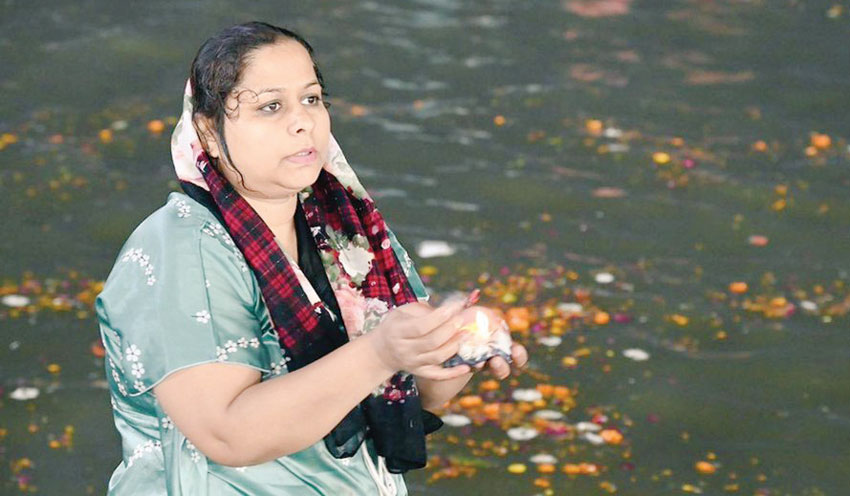
The Mahakumbh, an iconic Hindu religious event held every twelve years, stands as a testament to India’s spiritual heritage and cultural grandeur. Considered the largest human gathering on Earth, it transcends religious boundaries to attract millions, including global scholars, journalists, and curious onlookers eager to witness the scale and spirit of this mega-event. The Mahakumbh holds profound significance in Hinduism, symbolizing spiritual cleansing, renewal, and salvation. Devotees believe that taking a dip in the sacred rivers during the Kumbh’s auspicious period washes away sins and paves the path to moksha (liberation). This unparalleled faith drives millions to converge in Prayagraj, where the Ganga, Yamuna, and the mythical Saraswati meet, making it the epicenter of devotion and logistical wonder.
The 2025 Mahakumbh in Prayagraj has not only reaffirmed its religious importance but has also showcased India’s capabilities in managing a global mega-event. The government, under the leadership of Prime Minister Narendra Modi, and UP m Yogi Adityanath has left no stone unturned in ensuring the seamless execution of this monumental gathering. With a confluence of tradition and technology, the administration has set a benchmark for event management, drawing attention from global universities and media keen to understand the intricacies of such meticulous planning.
Infrastructure Development and Crowd Management
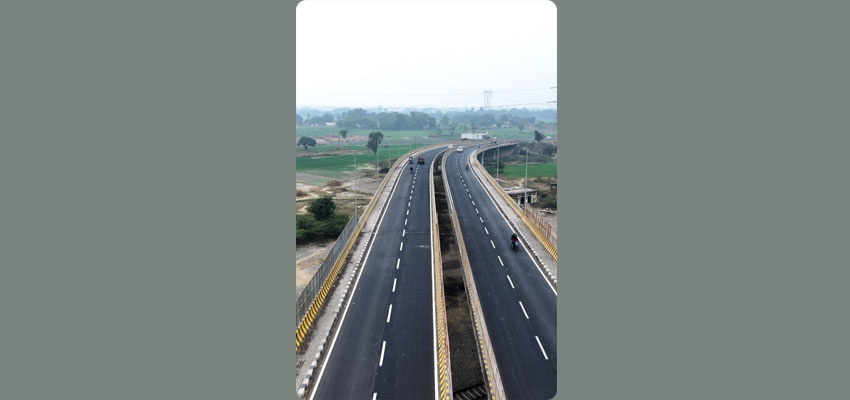
One of the primary challenges of the Mahakumbh is accommodating the massive influx of devotees. To address this, the government has invested heavily in upgrading infrastructure in and around Prayagraj. Temporary tent cities with state-of-the-art facilities have been erected to house millions of pilgrims. These tents are equipped with clean drinking water, proper sanitation, and round-the-clock electricity, ensuring a comfortable stay for the attendees.
The city’s transport network has also been revamped. Special trains and buses have been deployed to cater to the heavy rush, and dedicated lanes have been introduced for smooth traffic movement. The Prayagraj airport has been upgraded to handle increased domestic and international arrivals, reflecting the global interest in the event. To manage the massive crowds, advanced crowd control measures, including artificial intelligence-driven monitoring systems, drones, and facial recognition technology, have been employed, ensuring safety and preventing untoward incidents.
Digital Integration and Smart Solutions
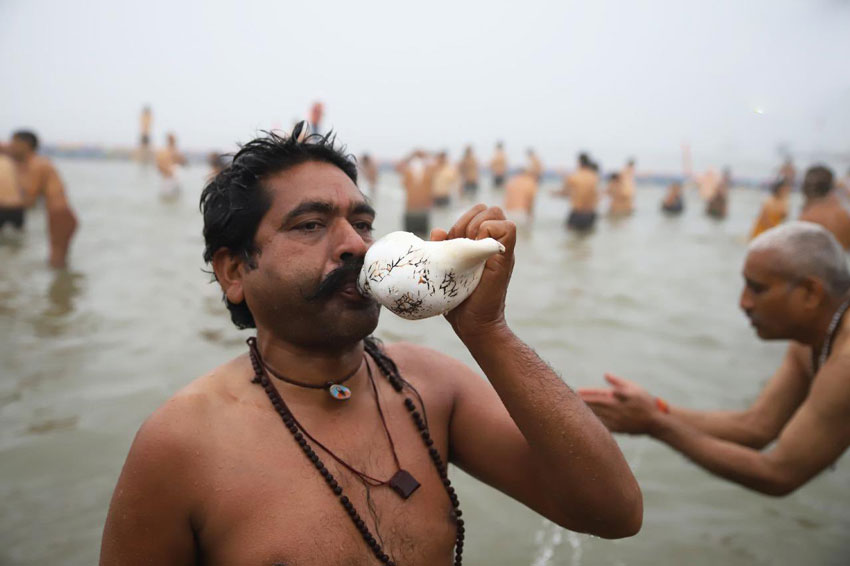
The 2025 Mahakumbh has embraced digital solutions to enhance the pilgrim experience. A dedicated Mahakumbh mobile application provides real-time information about schedules, bathing dates, routes, and emergency contacts. The app also includes features for virtual darshan, allowing devotees who cannot attend in person to participate spiritually.
Digital payment options have been made available across stalls and services, reducing the dependency on cash transactions and promoting India’s digital economy. Wi-Fi hotspots across the venue ensure connectivity for pilgrims and international visitors, allowing them to share their experiences instantaneously with the world.
Healthcare and Sanitation
Health and hygiene have been prioritized to prevent any outbreaks during the Mahakumbh. Over 1,000 temporary healthcare centers have been set up, equipped with modern medical facilities and staffed by skilled professionals. Ambulances are stationed at key locations, and emergency response teams are on standby. Clean drinking water kiosks and bio-toilets have been strategically placed across the grounds, promoting sustainability and hygiene.
Waste management is another area where the government has excelled. A robust system has been implemented to ensure cleanliness, with waste being segregated at source and recycled wherever possible. This eco-conscious approach has drawn praise from environmentalists worldwide.
Security Measures
Ensuring the safety of millions is a monumental task, and the government has deployed over 30,000 security personnel, including paramilitary forces, to maintain order. Surveillance drones and CCTVs monitor the entire area, while command centers provide real-time updates to officials. Special focus has been given to women’s safety, with dedicated help desks and patrol teams stationed throughout the venue.
Cultural Extravaganza
The Mahakumbh is not just a religious event but also a celebration of India’s rich cultural heritage. Cultural pavilions showcasing traditional music, dance, and crafts have been set up, offering visitors a glimpse into India’s diverse traditions. Workshops, spiritual discourses, and yoga sessions are being conducted, attracting enthusiasts from around the globe.
Global Impact and Takeaways
The 2025 Mahakumbh has positioned itself as a model for large-scale event management. Universities and media from Western countries have marveled at how India’s government, blending ancient wisdom with modern technology, has managed such an enormous gathering. The Mahakumbh not only reaffirms the country’s cultural ethos but also showcases its administrative prowess and technological advancements.
Economic Impact
Millions of pilgrims, tourists, and spiritual seekers attend this festival, which has been recognised by UNESCO as an Intangible Cultural Heritage. Mahakumbh's size and magnificence make it a world-renowned spectacle that showcases India's skill in spiritual tourism. In addition to being a religious occasion, the Mahakumbh Mela is a significant economic force in the area. The increase in tourists has a huge positive impact on local companies, craftspeople, and service providers. The local economy is impacted by the spike in demand for lodging, transportation, and dining establishments.
The budget for this year's Mahakumbh Mela has been set at 6,382 crore rupees, with 5,600 crore already set aside for infrastructure development and event management. The previous Kumbh in 2019 had a budget of 3,700 crore rupees, demonstrating the Mela's growing scale and financial importance. Historically, the Kumbh Mela has had an economic impact; records from the 1882 Kumbh showed a profit of 29,612 rupees, setting a precedent for the potential of future gatherings.
According to economists, the Mahakumbh Mela will bring in significantly more money than anticipated. It is estimated that Uttar Pradesh might make at least 2 lakh crore rupees from the event, which is expected to draw 45 crore pilgrims. Overall, the impact on local economies will be significant, even if the majority of transactions—such as small-scale activities like food, transportation, and boat rides—would be informal and challenging to measure. Experts also point out that more foot traffic and new job prospects will help nearby cities like Varanasi, Ayodhya, Mathura, and Vindhyavasini Dham.
In addition to providing spiritual enrichment, the Mahakumbh Mela 2025 has the potential to stimulate sustained economic growth in Uttar Pradesh. The event aims to leave a lasting legacy by transforming the state into a worldwide economic hub due to its enormous scope and the jobs it will create. In addition to its immediate effects, the event will have a long-term positive economic impact on the area, supporting infrastructure, employment, and tourism.

By NILABH KRISHNA
(The content of this article reflects the views of writers and contributors, not necessarily those of the publisher and editor. All disputes are subject to the exclusive jurisdiction of competent courts and forums in Delhi/New Delhi only)


















Leave Your Comment