


The proliferation of cars in urban areas has become a pressing environmental concern. While personal vehicles offer convenience, they come at a significant cost to our planet and our quality of life. The urgent need for a paradigm shift towards public transportation is undeniable.
The environmental impact of cars is far-reaching and multifaceted. From the manufacturing process to their daily operation, cars contribute significantly to greenhouse gas emissions. The production of cars requires a substantial amount of energy and resources, leading to deforestation and pollution. Furthermore, the burning of fossil fuels in internal combustion engines releases harmful pollutants into the atmosphere, contributing to air pollution, smog, and acid rain.
Beyond direct emissions, cars also contribute to urban sprawl and habitat loss. The construction of roads and parking lots destroys natural ecosystems and increases impervious surfaces, leading to increased runoff and flooding. Noise pollution from traffic is another significant issue, negatively impacting human health and wildlife.
Benefits of Public Transportation
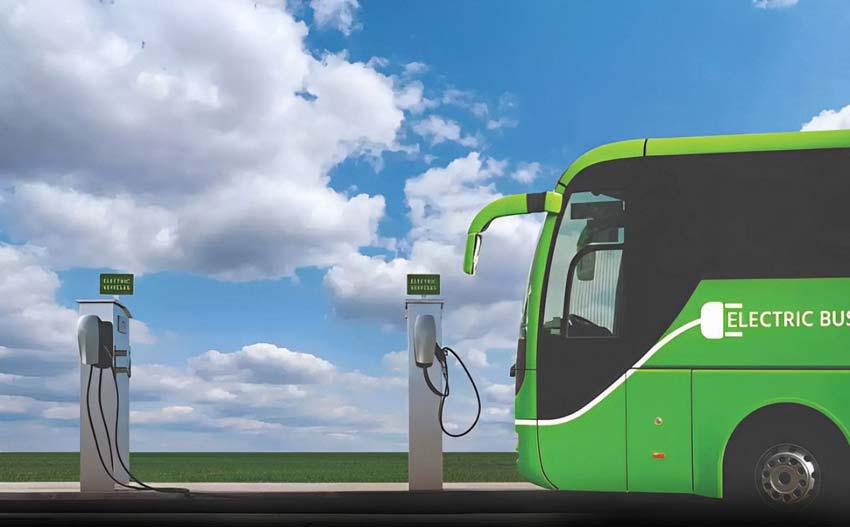
Public transportation offers a sustainable and efficient alternative to private vehicles. By consolidating passengers into a single vehicle, public transportation significantly reduces the number of vehicles on the road, thereby decreasing traffic congestion, air pollution, and greenhouse gas emissions. Additionally, public transportation systems can be powered by renewable energy sources, further reducing their environmental impact.

Investing in public transportation can also lead to a number of social and economic benefits. Improved public transportation systems can reduce commuting times, increase access to jobs and educational opportunities, and promote social equity. Furthermore, public transportation can contribute to a more vibrant and walkable urban environment, fostering a sense of community and improving public health.
Parking and Urban Space
The dominance of cars in our cities has led to a significant portion of urban space being dedicated to parking. Parking lots and garages consume valuable land that could be used for more productive purposes, such as parks, housing, or businesses. By shifting towards public transportation, cities can reclaim this lost space and create more liveable and sustainable communities.
A Cultural Shift
To successfully transition to a more sustainable transportation system, a cultural shift is necessary. The private car has long been seen as a status symbol, and many people equate car ownership with freedom and independence. However, this perspective needs to be challenged. By promoting the benefits of public transportation and highlighting the negative consequences of car dependency, we can foster a new culture that values sustainability, community, and shared resources.
The Role of Government
Governments play a crucial role in promoting public transportation. By investing in infrastructure, providing incentives for public transit use, and implementing policies that discourage car use, governments can create an environment that is more conducive to sustainable transportation. Additionally, governments can work with private companies to develop innovative transportation solutions, such as electric vehicles and ride-sharing services.
Addressing Concerns and Challenges
While public transportation offers numerous benefits, it is important to address the concerns and challenges that may arise. One common concern is the cost of public transportation. Governments can mitigate this by providing affordable fares and subsidies for low-income individuals and families. Additionally, improving the reliability and frequency of public transportation services can encourage more people to choose public transit over private vehicles.
Another challenge is the lack of accessibility for people with disabilities. Governments and public transportation providers should work to ensure that public transit systems are fully accessible to all individuals. This includes providing ramps, elevators, and accessible vehicles.
(The author is a known Environmentalist and the pioneer of Satyagraha Against Pollution movement, viraludayindia@gmail.com )
(The content of this article reflects the views of writers and contributors, not necessarily those of the publisher and editor. All disputes are subject to the exclusive jurisdiction of competent courts and forums in Delhi/New Delhi only)

By Viral Desai















Leave Your Comment