


The Supreme Court’s February 2020 dismissal of bail for Umar Khalid and Sharjeel Imam, key accused in the Northeast Delhi riots, is a watershed moment. The riots—which brutally extinguished 53 lives, including that of IB officer Ankit Sharma, labourer Dilbar Negi, and police personnel, leaving over 700 injured—represent a profound national wound. The Court, while granting bail to five co-accused under strict conditions, reserved its most unequivocal denial for Khalid and Imam, barring fresh appeals for a year. This verdict has been met with a public sigh of relief, a perception that justice, however slow, is recognising the gravity of orchestrating mass violence. The ruling, however, has illuminated a stark and troubling dichotomy in India’s discourse. While ordinary citizens see a necessary step toward accountability, a section of the political-commentariat class has mounted a performative lament for the accused. This is not mere legal defence; it is an attempt to shroud serious allegations of violence and sedition in partisan politics. Recall that Sharjeel Imam infamously advocated severing Assam and the Northeast from India—a direct assault on national integrity. The question to those politicising this bail denial is unambiguous: do they endorse such secessionist ideology? The rhetoric from this ecosystem has been revealing, branding the judgment “oppressive” and a “black day for democracy.” This selective outrage reeks of hypocrisy. Over 4.34 lakh undertrials, predominantly poor and marginalized, languish forgotten in prisons. The vocal champions of Khalid and Imam spare no such passion for these anonymous souls. Their fervor is reserved for a case that even attracted inappropriate international lobbying, hinting at coordinated campaigns against Indian sovereignty.
What is more, the legal cavalry assembled—prominent figures like Kapil Sibal and Abhishek Manu Singhvi—raises unavoidable questions about political patronage. This solidarity was theatrically mirrored at JNU, where protests against the bail rejection featured threatening slogans, dismissively downplayed by some opposition leaders as mere “anger.” A critical, often glossed-over dimension is the role of the then Delhi government. Under Chief Minister Arvind Kejriwal, investigations suggest the riot probe was obstructed, with accused AAP functionaries enjoying bail. Only with a change in leadership has hope for a thorough investigation been renewed. Thus, the Supreme Court’s decision transcends a routine legal order. It is a resolute reaffirmation: those accused of masterminding bloodshed and peddling disintegration cannot claim routine liberties. It exposes a selective conscience that romanticises sedition while ignoring the thousands of truly dispossessed undertrials and the grieving families of the 53 dead. The path to full justice remains long. But this verdict is a firm, necessary step away from the politics of appeasement and toward the primacy of law, national integrity, and the sacred memory of the innocent lost. It underscores a nation’s resolve to protect its fabric, ensuring that the scales of justice weigh the blood of the victim heavier than the rhetoric of the alleged conspirator.
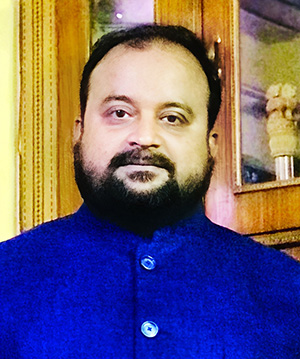
Deepak Kumar Rath
















Leave Your Comment