


In a momentous verdict, the Supreme Court of India has delivered a historic blow to the electoral bonds scheme, asserting that it infringes upon citizens' right to information. Chief Justice of India DY Chandrachud led the charge, labeling the scheme as unconstitutional and arbitrary, with the potential to foster quid pro quo arrangements between political entities and donors. This landmark ruling marks a significant stride towards greater transparency in political funding, a cornerstone of democratic governance.
The electoral bonds scheme, introduced in 2018 under the guise of curbing black money in the political ecosystem, has faced relentless scrutiny since its inception. now, the highest court in the land echoed the concerns raised by critics, highlighting the inherent flaws in the scheme. The bench, comprised of five esteemed judges, unanimously concurred that the scheme's purported objectives fail to justify its existence. Chief Justice Chandrachud emphasized that electoral bonds are not the panacea for combating black money, dismissing the notion that they are indispensable in preserving donor confidentiality.
Central to the court's ruling was the imperative to uphold citizens' right to information, a fundamental tenet of democracy. By striking down the electoral bonds scheme, the judiciary has reaffirmed its commitment to safeguarding the principles of transparency and accountability in the political domain. The decision to halt the issuance of electoral bonds by the State Bank of India and mandate the disclosure of donations made through this medium to the Election Commission of India underscores the court's unwavering resolve to promote openness in political financing.
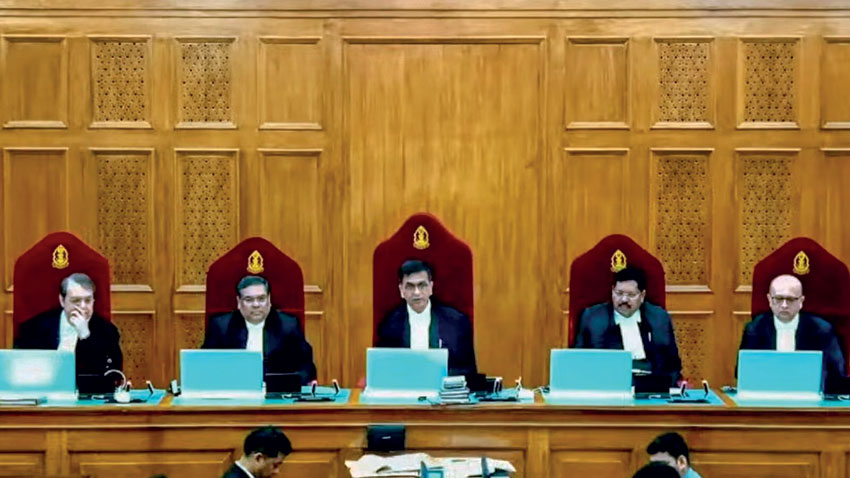
The judgment represents a culmination of persistent legal challenges mounted against the electoral bonds scheme by various stakeholders, including political parties, activists, and civil society organizations. These litigants contended that the veil of confidentiality shrouding electoral bonds undermines the public's right to scrutinize political funding, fostering a culture of opacity and potential corruption. Indeed, the opacity of the scheme has been a cause for concern, as it provides a clandestine avenue for funneling funds into the political arena without requisite accountability.
The annulment of the electoral bonds scheme marks a watershed moment in India's democratic journey, signaling a decisive victory for transparency and accountability in political funding. This judgment serves as a potent reminder of the judiciary's pivotal role in upholding the foundational principles of democracy and ensuring that the corridors of power remain accessible and accountable to the people.
In the aftermath of this historic ruling, it is imperative for policymakers to devise alternative mechanisms for political funding that prioritize transparency, equity, and integrity. Moving forward, concerted efforts must be made to bolster campaign finance regulations and institute robust oversight mechanisms to prevent the resurgence of opaque funding practices. Only through collective action and unwavering commitment to democratic values can India chart a course towards a more transparent and accountable political landscape.
Uday India Bureau
















Leave Your Comment