


West Bengal, a state once hailed for its cultural and intellectual contributions to India, is now mired in a disturbing decline in law and order. The recent incident at RG Kar Medical College and Hospital in Kolkata has brought to light the deteriorating situation under the rule of the Trinamool Congress (TMC). This case is emblematic of a broader malaise that has set in during the TMC's tenure, a period marked by the institutionalization of crime through the syndicate system, the legacy of misgovernance inherited from the Left Front, and the apathy of the Congress in the early years of independence. This article delves into these issues, examining the historical context, the current challenges, and the way forward for West Bengal.
The RG Kar Hospital Incident: A Symptom of Lawlessness
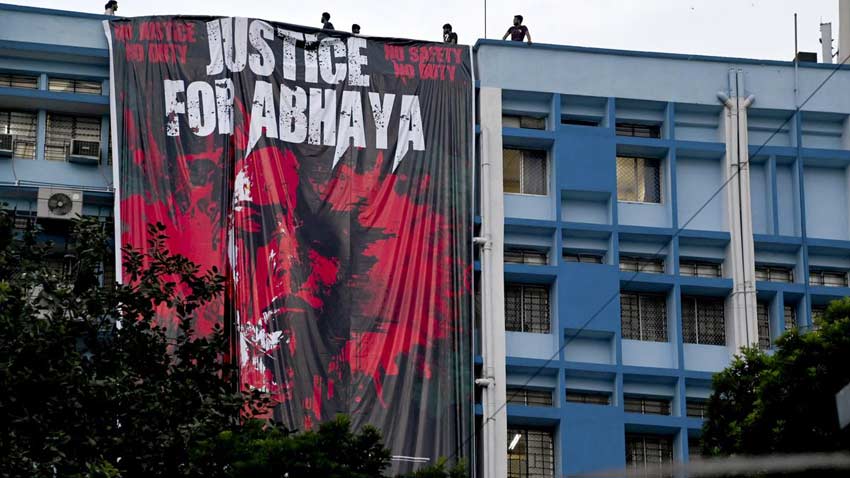
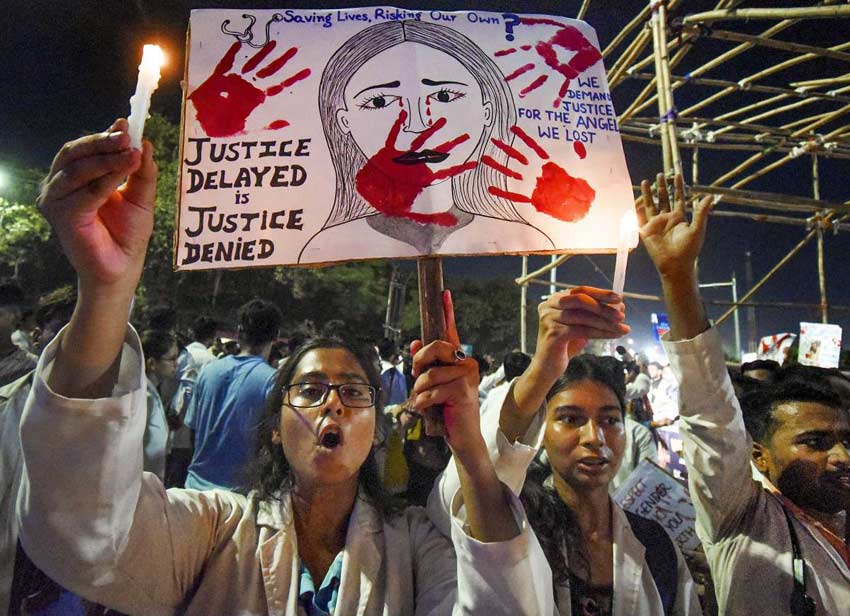
The RG Kar Hospital case has become a flashpoint in the ongoing debate over law and order in West Bengal. On a fateful day, a group of TMC-backed goons stormed the hospital, allegedly over a dispute regarding the admission of a patient. The situation quickly escalated into a violent confrontation, with doctors and medical staff being threatened and assaulted. The incident not only disrupted the hospital's functioning but also raised serious concerns about the safety of medical professionals in the state.
This incident is not an isolated one. It reflects a pattern of lawlessness that has become increasingly common in West Bengal, where political patronage often shields criminals from accountability. The RG Kar Hospital case serves as a stark reminder of how deeply entrenched the culture of impunity has become under TMC rule.

TMC's Institutionalization of Crime: The Syndicate System
The syndicate system in West Bengal is a phenomenon that has become synonymous with the TMC's rule. This system involves a network of local goons, contractors, and political operatives who control various economic activities, particularly in the real estate and construction sectors. The TMC's rise to power saw the expansion of this system, with the party allegedly using it as a tool to maintain its grip on the state's resources and to fund its political machinery.
The syndicate system operates with the tacit support of the ruling party, making it difficult for law enforcement agencies to take action against those involved. This has led to a situation where criminal activities are not only tolerated but are often actively encouraged by those in power. The result is a state where law and order have taken a backseat to the interests of a few powerful individuals.
The RG Kar Hospital case is a direct consequence of this system. The attackers were reportedly affiliated with a local syndicate, and their actions were motivated by a desire to assert control over the hospital's operations. This incident highlights how the syndicate system has infiltrated even the most vital public institutions, turning them into arenas for political and criminal power struggles.
The Legacy of the Left: A History of Decline
To understand the current state of affairs in West Bengal, it is essential to look at the legacy of the Left Front, which ruled the state for over three decades before the TMC came to power. The Left's tenure was marked by a systematic erosion of democratic institutions and a gradual decline in the state's economic and social fabric.
The Left Front's policies, particularly its emphasis on land redistribution and trade unionism, initially garnered significant support among the rural and working-class populations. However, these policies also led to the decline of industry and the flight of capital from the state. West Bengal, once a hub of industrial activity, saw its factories close down and its skilled workforce migrate to other parts of the country.
The Left's governance model was characterized by the centralization of power and the use of coercion to suppress dissent. The party cadres, much like the TMC's syndicates, operated with impunity, often resorting to violence to maintain their hold on power. The legacy of this period is one of economic stagnation, social unrest, and a culture of political violence that persists to this day.
The TMC, in many ways, inherited and built upon this legacy. While the party presented itself as a force for change, it quickly became apparent that it was more interested in consolidating power than in addressing the structural issues that plagued the state. The syndicate system, with its roots in the Left's cadre-based politics, became a key tool in the TMC's arsenal.
Congress Apathy and the Early Years of Decline
The seeds of West Bengal's decline were sown in the early years of independence, when the Congress party, which was in power at both the state and national levels, failed to address the region's unique challenges. Bengal, which had been a major center of commerce, education, and culture during the British Raj, was left to grapple with the consequences of partition and the influx of refugees from East Pakistan (now Bangladesh).
The Congress government in Bengal struggled to cope with the massive population displacement and the resulting economic strain. The party's leadership was often more focused on maintaining its political dominance than on formulating policies to revive the state's economy or address its social issues. This neglect laid the groundwork for the rise of the Left, which capitalized on the growing discontent among the population.
The Congress's failure to implement meaningful reforms or to invest in infrastructure and industry during the early years of independence left Bengal in a state of decline. The party's apathy towards the region was a significant factor in the eventual rise of the Left Front, which promised a radical transformation but ultimately delivered more of the same.
The Way Forward: Reclaiming West Bengal's Future
The situation in West Bengal is dire, but it is not beyond redemption. To reverse the state's decline, a multi-pronged approach is needed, one that addresses both the immediate challenges of law and order and the long-term structural issues that have plagued the state for decades.
1. Strengthening Law Enforcement and Judicial Accountability: The first step towards restoring law and order in West Bengal is to depoliticize the police force and ensure that law enforcement agencies operate independently of political influence. This would involve setting up mechanisms for greater transparency and accountability within the police force, as well as empowering the judiciary to take swift and decisive action against those who break the law, regardless of their political affiliations.
2. Dismantling the Syndicate System: The syndicate system must be dismantled if West Bengal is to reclaim its status as a safe and prosperous state. This would require a concerted effort by both the state and central governments to crack down on illegal activities and to promote legitimate business practices. Encouraging entrepreneurship and creating a conducive environment for investment would help weaken the hold of the syndicates on the state's economy.
3. Reviving Industry and Infrastructure: West Bengal's economic revival is crucial to its long-term stability. The state needs to attract investment in sectors such as manufacturing, information technology, and services. Revamping infrastructure, particularly in transportation and energy, would make the state more attractive to investors and help create jobs for its large, educated workforce.
4. Political Reform and Decentralization: West Bengal's political culture needs to shift away from the centralization of power and towards greater decentralization and grassroots democracy. This would involve empowering local governments and encouraging citizen participation in decision-making processes. Political reforms that promote transparency, accountability, and competition would help break the cycle of corruption and violence that has plagued the state for decades.
5. Cultural and Educational Renaissance: Bengal's rich cultural heritage and its tradition of intellectual excellence can serve as the foundation for a new renaissance in the state. Investing in education, particularly in higher education and research, would help foster innovation and creativity. Promoting the arts and preserving the state's cultural heritage would also help restore a sense of pride and identity among the people of Bengal.
6. Engaging the Youth and Civil Society: The youth of West Bengal are its greatest asset, and they must be engaged in the process of rebuilding the state. Encouraging youth participation in politics, entrepreneurship, and social activism would help create a new generation of leaders who are committed to the state's progress. Civil society organizations can also play a crucial role in holding the government accountable and advocating for the rights and interests of the people.
7. Revisiting Federal Relations: The central government's role in West Bengal's future cannot be overlooked. A more cooperative federal structure, where the state and central governments work together to address regional disparities and promote balanced development, would benefit Bengal. This requires a reevaluation of central policies that affect the state, ensuring they are aligned with Bengal's unique needs and challenges.
Conclusion
West Bengal stands at a crossroads, with the opportunity to either continue on its current path of decline or to embark on a journey of renewal and growth. The RG Kar Hospital incident is a stark reminder of the challenges that lie ahead, but it also serves as a call to action for those who care about the state's future.

By NILABH KRISHNA
(The content of this article reflects the views of writers and contributors, not necessarily those of the publisher and editor. All disputes are subject to the exclusive jurisdiction of competent courts and forums in Delhi/New Delhi only)














Leave Your Comment