


India’s emergence as the world’s third-largest military power in 2025 is not merely a statistic; it is the culmination of a long-term national vision. This achievement is the result of strategic thinking, institutional reforms, and political willpower that have moved the defence sector from import-dependence onto the path of self-reliance and innovation. A record defence production of ₹1.54 lakh crore, exports worth ₹24,000 crore, and the reach of Indian defence products to over 100 countries—all signal that India is no longer just a consumer but has become a reliable partner in the global defence supply chain.
At the heart of this transformation is the spirit of ‘Atmanirbhar Bharat’ (Self-Reliant India), which has elevated indigenization from a slogan to a matter of policy and execution. Today, up to 65 percent of the equipment with the Indian Armed Forces is indigenous—a fact that testifies to the breaking of decades-old chains of dependency. The participation of the private sector and startups, alongside Defence Public Sector Undertakings, has taken competition, quality, and speed in this sector to new heights. The Make in India and self-reliance policies have not only enhanced technical capability but have also boosted employment and skill development.
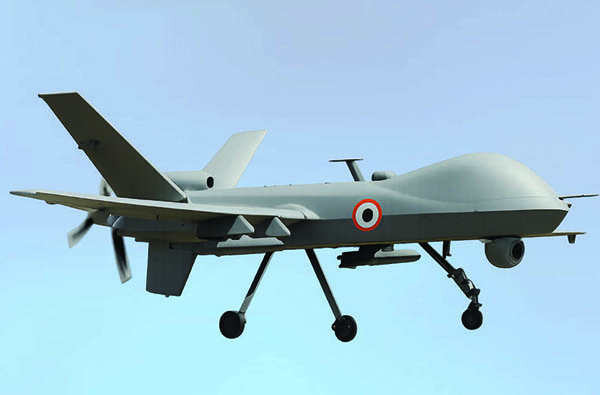
Operation Sindhu has clearly demonstrated India’s understanding of modern warfare to the world. The effective use of drones, counter-drone systems, and network-centric warfare capabilities shows that India is not merely preparing for future wars but is also leading the way. The crucial message is that Indian military thinking is no longer confined to traditional weapon systems but has moved strategically towards embracing emerging technologies—AI, cyber, space, and autonomous systems.
A potential 20–25 percent increase in the defence budget in the coming period will further strengthen this direction. AI-based systems, modern fighter aircraft, and naval expansion—these three pillars will make India’s overall military power balanced and effective. Amid growing geopolitical competition in the Indo-Pacific region, a strong navy is essential to protect India’s maritime interests and ensure regional stability. Meanwhile, modern air power and advanced ground capabilities will be capable of providing a precise response to any conventional or hybrid challenge.
Throughout this transformative period, the leadership of Defence Minister Rajnath Singh has been decisive. His administrative clarity, institutional trust, and commitment to military modernisation have played a key role in translating policies into reality. Transparency in procurement processes, priority to indigenous products, and promotion of exports—all these steps have provided stability and direction to the defence ecosystem. His focus has not merely been on increasing the number of weapons but on capability, self-reliance, and long-term security.
India’s military progress is not just a show of strength but a journey towards becoming a responsible power. On the global stage, India is now seen as a security provider—whether in humanitarian assistance, maritime security, or expanding strategic partnerships. This achievement of 2025 gives us the confidence that India will not only defend its borders in the coming decade but will also play a decisive role in global peace and stability. This renaissance is one of confidence—of an India that is both strong and responsible.
By UDAY INDIA BUREAU

















Leave Your Comment