In India's youth, cybercrime has become a popular side gig, with many having fallen for or encountered online money-laundering schemes. The outdated strategies of phoning numbers and fabricating scenarios have been replaced by a faceless internet presence that offers ever-higher exchange rates. The increasing use of online payments has created many opportunities for con artists to test their methods on any one of us. The long-standing menace of phishing, which has taken on many different forms, has now embraced a new strategy called "quishing," which uses QR codes to launch misleading assaults. People scan QR codes without ever doubting their validity as they are so widely used to obtain information quickly.
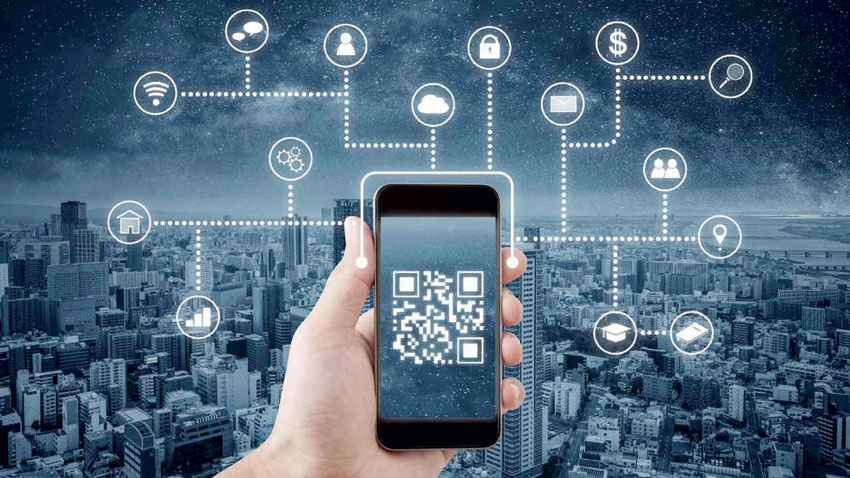
In an age of instant gratification and convenience, QR codes have become a mainstay. From restaurant menus and product information to quick website redirects, these simple squares are everywhere. However, beneath their innocent facade lies a growing danger: quishing.
Understanding Quishing
Quishing, a portmanteau of "QR code" and "phishing," is an insidious cyberattack. Scammers embed malicious URLs into QR codes, tricking unsuspecting individuals into scanning them. With a single scan, you could end up on a bogus website designed to steal your personal and financial information or even infect your device with malware. Unlike traditional phishing, which usually operates through emails or SMS, quishing leverages the implicit trust we place in QR codes.
The Pros and Cons of Quishing (From a Scammer's Perspective)
From a cybercriminal's perspective, quishing offers several advantages:
- Ease of Creation: Generating malicious QR codes is incredibly simple, requiring minimal technical expertise.
- Wide Reach: Attackers can effortlessly distribute malicious QR codes through posters, flyers, or even embed them into legitimate websites.
- Exploits Trust: QR codes often carry an air of legitimacy, disarming users who are less vigilant about the links they access.
- Speed: Quishing scams can spread like wildfire, making them incredibly difficult to contain.
However, even for scammers, quishing has its drawbacks:
- Requires User Action: Unlike some malware attacks, a quishing scam depends on the victim willingly scanning the code.
- Awareness is Growing: As knowledge of quishing increases, people are becoming more cautious, reducing the effectiveness of these scams.

The Devastating Impact of Quishing
The repercussions of falling victim to a quishing scam can be severe:
- Identity Theft: Scammers can harvest sensitive data like your name, address, social security number, or even biometric information through fake login pages. This data can then be used for identity theft.
- Financial Loss: Quishing can lead to the theft of bank account details, credit card numbers, and other financial credentials, resulting in unauthorized transactions and the potential for draining your accounts.
- Malware Infection: Malicious websites you are redirected to can inject viruses, ransomware, or spyware onto your device, further compromising your security.
- Reputational Damage: If used to breach corporate data, quishing can tarnish the reputation of a business and lead to costly legal repercussions.
How to Protect Yourself Against Quishing Attacks
The good news is that you can significantly reduce your risk of falling prey to quishing by following these essential safety measures:
- Be Suspicious of Unsolicited QR Codes: Don't scan random QR codes that appear in unexpected places such as questionable posters or websites. Treat them with the same caution you would suspicious links in an email.
- Preview the URL: Many smartphone cameras and QR code scanning apps have the ability to show you a preview of the URL link before you access it. Scrutinize the link carefully. If it looks unfamiliar, misspelled, or suspicious, do not access it.
- Verify the Source: If a QR code is associated with a business or service, make sure it comes from an official source, such as the company's website or a trusted app.
- Use Security Software: Install robust security software on your devices. It will offer real-time protection and help detect malware or malicious websites that you might accidentally access.
- Keep Your Devices Updated: Ensure your operating system and applications are always running the latest versions. These updates often contain security patches that address known vulnerabilities.
- Educate Yourself and Others: Stay informed about the latest cybersecurity threats and educate your friends, family, and colleagues about the risks of quishing.
Additional Safety Tips
- Enable Two-Factor Authentication: Use two-factor authentication on sensitive accounts whenever possible. This adds an extra layer of security, even if someone gets hold of your password.
- Be Mindful of Public Wi-Fi: Avoid scanning QR codes while connected to public Wi-Fi networks, as they can be less secure.
- Report Suspicious Activity: If you suspect you've been a victim of a quishing scam, report it to the relevant authorities and your financial institution immediately.
The Evolving Threat of Quishing
It's important to understand that quishing is a constantly evolving threat. Cybercriminals refine their techniques, making scams increasingly sophisticated and difficult to spot. Vigilance is paramount. By staying informed and adhering to the safety measures outlined here, you can significantly reduce your chances of falling victim to this nefarious practice.
Conclusion
Quishing preys upon our trust in technology and the allure of convenience. While QR codes offer legitimate uses, they can also be a gateway to cybercrime. Remember, it only takes a moment to scan a code, but the consequences can be long-lasting. Educate yourself, exercise caution, and always prioritize your cybersecurity. By being proactive, you can outsmart the scammers and protect your digital well-being.
By Nilabh Krishna
(The content of this article reflects the views of writers and contributors, not necessarily those of the publisher and editor. All disputes are subject to the exclusive jurisdiction of competent courts and forums in Delhi/New Delhi only)















Leave Your Comment