


Energy is the lifeblood of any modern economy, and as nations seek to balance growth with sustainability, the concept of energy security has evolved to include cleaner and renewable alternatives. Among these, bio-energy—derived from organic matter such as agricultural residues, forest waste, animal dung, and municipal solid waste—emerges as a critical component of India’s transition toward a low-carbon economy. The question, however, is not whether bio-energy holds potential for India—it certainly does—but to what extent the country is truly prepared to harness it effectively and securely.
India’s energy demand is projected to grow exponentially in the coming decades, driven by industrial expansion, urbanization, and a rising population aspiring to better living standards. Currently, India imports around 85 per cent of its crude oil requirements, exposing it to price volatility, geopolitical risks, and supply chain disruptions. This overdependence on fossil fuels makes energy diversification not merely an environmental necessity but a strategic imperative. Bio-energy, encompassing biofuels, biogas, biomass power, and waste-to-energy, offers a domestic, renewable, and carbon-neutral alternative capable of supporting both rural and urban energy needs. In the global context, bio-energy aligns with India’s commitments under the Paris Agreement and its target to achieve net-zero emissions by 2070.
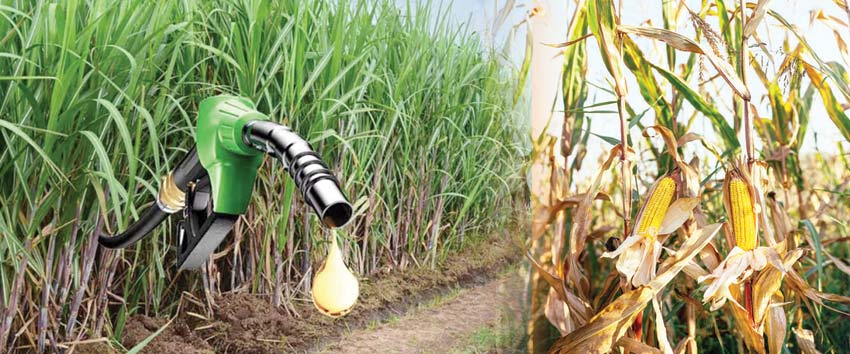
The government has indeed recognized this potential and initiated a slew of policies and programs to promote bio-energy. The National Policy on Biofuels (2018, revised in 2022) aims to achieve a 20 per cent blending of ethanol in petrol and 5 per cent blending of biodiesel in diesel by 2030, a target now advanced to 2025-26. The Ethanol Blended Petrol (EBP) Programme, driven by the Ministry of Petroleum and Natural Gas, has witnessed significant progress—ethanol blending levels rose from a mere 1.5 per cent in 2013-14 to over 12 per cent by 2024. This achievement not only reduces oil import bills but also benefits sugarcane farmers by creating a stable market for their surplus produce. The SATAT (Sustainable Alternative Towards Affordable Transportation) initiative, launched in 2018, seeks to establish 5,000 Compressed Biogas (CBG) plants across the country, aiming to produce 15 million tonnes of biogas annually. Simultaneously, the GOBAR-Dhan (Galvanizing Organic Bio-Agro Resources Dhan) scheme promotes village-level biogas and composting units, converting waste into wealth and ensuring cleaner rural environments.
However, despite these encouraging steps, India’s preparedness for bio-energy security remains a work in progress, constrained by several systemic challenges. Firstly, the feedstock availability and supply chain management pose a major hurdle. India produces around 750 million tonnes of biomass annually, but much of it remains uncollected or is burned in fields, leading to severe air pollution, as witnessed every winter in northern states.
The absence of efficient aggregation, storage, and transportation mechanisms for agricultural residues reduces the reliability of biomass feedstock for energy generation. Moreover, competing uses of biomass—such as fodder, cooking fuel, or raw material for industries—further strain its availability for bio-energy applications.
Secondly, the technological and infrastructural ecosystem for bio-energy in India remains underdeveloped. While first-generation (1G) biofuels like ethanol from sugarcane molasses have reached commercial maturity, the second-generation (2G) and third-generation (3G) biofuels—derived from lignocellulosic biomass and algae respectively—are still in nascent stages. The high capital cost, lack of proven large-scale technologies, and limited private sector participation impede progress in this domain. The government has supported several 2G ethanol projects through public-sector oil companies, but most are still under construction or in pilot phases. Without strong R&D support and risk-sharing mechanisms, it will be difficult for India to leap from conventional to advanced biofuels that promise greater sustainability and scalability.
Another significant barrier lies in the policy and regulatory landscape. Although multiple ministries—New and Renewable Energy (MNRE), Petroleum and Natural Gas (MoPNG), Agriculture, and Environment—are involved in bio-energy development, the overlap of mandates often leads to fragmented governance. Streamlining inter-ministerial coordination and establishing a single-window system for project approvals could accelerate deployment. Additionally, the pricing mechanism for biofuels, especially compressed biogas and biodiesel, needs rationalization to ensure long-term commercial viability. The industry has frequently raised concerns over delayed payments, lack of assured offtake, and absence of competitive pricing linked to crude oil fluctuations. Unless the financial model for bio-energy is made attractive, large-scale private investment will remain elusive.
India’s preparedness must also be assessed from a regional and socio-economic perspective. Bio-energy has the unique potential to strengthen rural economies by creating decentralized energy systems and livelihood opportunities. Establishing biomass-based power plants or biogas units in villages can reduce dependence on firewood, improve indoor air quality, and empower local communities through income generation. Yet, the success of such initiatives depends on robust extension services, local capacity building, and awareness campaigns. Farmers, who are the primary suppliers of feedstock, must be incentivized through fair pricing, logistical support, and assured buy-back arrangements. Integrating bio-energy programs with rural development and agricultural policies will be crucial to ensure equitable and sustained growth.
Environmental sustainability is another critical dimension of bio-energy security. While bio-energy is often considered carbon-neutral, its true ecological benefits depend on how responsibly biomass is sourced and utilized. Unsustainable extraction of residues, over-reliance on water-intensive crops like sugarcane, and diversion of agricultural land for biofuel feedstock can have unintended consequences on food security and biodiversity. Therefore, India must adopt a life-cycle assessment approach to evaluate the net environmental benefits of bio-energy pathways. Encouraging non-edible oilseeds, agro-waste, and municipal solid waste as feedstock options can mitigate such risks. The government’s recent focus on “waste-to-energy” plants and urban bio-methanation projects is a welcome move in this direction.
In terms of international collaboration, India has begun to play a proactive role. It co-founded the Global Biofuels Alliance (GBA) during its G20 Presidency in 2023, bringing together major biofuel-producing and -consuming nations to promote technology sharing, standardization, and financing. This global platform can position India as a leader in sustainable bio-energy, much like its earlier success with the International Solar Alliance (ISA). Such diplomatic and technological engagements can accelerate knowledge transfer and attract global investment, strengthening India’s preparedness on the international front.
Nevertheless, realizing the full potential of bio-energy requires a holistic and forward-looking strategy. Beyond policy announcements, India must invest heavily in research, innovation, and human capital. Academic institutions and startups need to be encouraged to develop indigenous technologies for feedstock processing, enzyme development, and efficient bioconversion. Establishing dedicated bio-energy parks or clusters, where R&D, production, and training coexist, can create an ecosystem of innovation and entrepreneurship. Financial instruments like green bonds, viability gap funding, and carbon credits should be leveraged to attract both domestic and foreign investors. Moreover, integrating bio-energy into the broader renewable energy roadmap—alongside solar, wind, and hydrogen—will ensure a balanced and resilient energy mix.
In conclusion, India’s journey toward bio-energy security is well underway but far from complete. The nation has demonstrated political will, policy foresight, and initial success in ethanol blending and biogas promotion. Yet, the true test lies in translating this momentum into sustainable and scalable outcomes. The challenge is multidimensional—technological, economic, environmental, and social—and requires synchronized action across all levels of governance and society. Bio-energy is not merely an alternative fuel; it is an instrument for rural empowerment, environmental stewardship, and strategic self-reliance. As India aspires to become a global leader in clean energy, strengthening bio-energy security will be central to achieving an Atmanirbhar Bharat in the truest sense—where the country’s energy future is not imported but grown, harvested, and produced within its own borders.

By Nilabh Krishna
(The content of this article reflects the views of writer and contributor, not necessarily those of the publisher and editor. All disputes are subject to the exclusive jurisdiction of competent courts and forums in Delhi/New Delhi only)















Leave Your Comment