


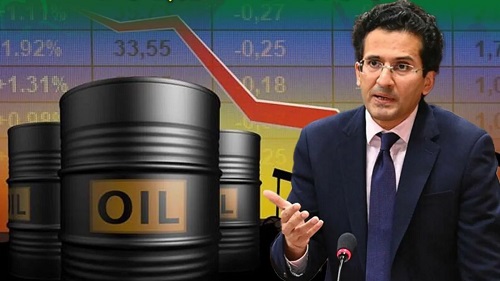
In a development that underscores mounting economic pressure on Islamabad, Pakistan’s Petroleum Minister Ali Pervaiz Malik has acknowledged that the country lacks strategic oil reserves, leaving it highly vulnerable during the ongoing conflict between the United States and Iran. The admission has sparked fresh concerns about Pakistan’s energy security and crisis preparedness.
During an interview with a local television channel, Malik revealed that Pakistan does not maintain petroleum reserves sufficient even for a single day. In contrast, he pointed to India as being far better equipped to manage fuel disruptions, citing its substantial foreign exchange reserves and well-established strategic petroleum storage facilities.
Malik attributed Pakistan’s fragile position to constraints imposed by the International Monetary Fund programme. He argued that bailout conditions have limited the government’s fiscal flexibility, preventing it from reducing fuel taxes or building reserves during periods of high global oil prices. According to him, India’s relative independence from such constraints has allowed it to take proactive measures to shield its economy from volatility.
The crisis has been exacerbated by the geopolitical fallout of the US-Iran conflict, which has disrupted global oil supply chains and driven up prices. Pakistan, heavily reliant on imported energy, is now grappling with the ripple effects. Prime Minister Shehbaz Sharif has acknowledged the economic strain, describing it as an “economic fallout” that has undermined the country’s recent recovery efforts.
Sharif also noted that Pakistan is managing the situation with assistance from Saudi Arabia, a long-standing ally with which it shares close economic and defence ties. This partnership has become increasingly crucial as Islamabad seeks to navigate both financial and energy challenges.
Amid the turmoil, Pakistan has positioned itself as a potential mediator between Washington and Tehran. Initial rounds of dialogue between the two sides were held in Islamabad, with further talks expected. However, skepticism remains over Pakistan’s neutrality and effectiveness in this role. Reports from the US have cautioned against placing trust in Pakistan’s military leadership, particularly Asim Munir, alleging possible alignment with Iranian interests. Meanwhile, voices from Iran have also questioned Islamabad’s suitability as an intermediary despite bilateral goodwill.
The unfolding situation highlights Pakistan’s structural vulnerabilities—ranging from energy insecurity to external financial dependence—at a time of heightened geopolitical instability. As global tensions continue to disrupt energy markets, Islamabad faces the urgent challenge of strengthening its economic resilience and reducing its exposure to external shocks.



















Leave Your Comment