


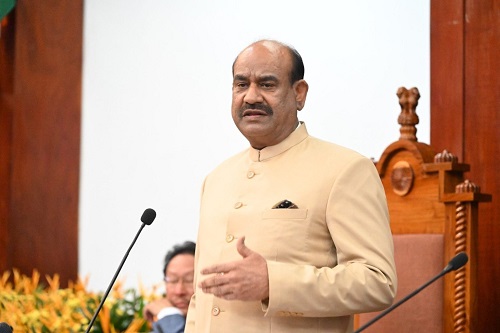
In a significant escalation of parliamentary tensions, the opposition INDIA bloc has submitted a formal notice for a motion of no-confidence against Lok Sabha Speaker Om Birla. According to Lok Sabha sources, the notice was delivered to the Secretary General of the lower house on Tuesday, setting the stage for a fresh political confrontation in the ongoing Parliament session.
The move marks a rare and serious parliamentary maneuver, reflecting the deepening rift between the Treasury Benches and the opposition over issues of procedure, fairness, and the handling of key debates. A no-confidence motion against the Speaker is an extraordinary step, last witnessed in 2005.
The Trigger: A Brewing Confrontation
While the formal grounds cited in the notice are awaited, the motion comes against a backdrop of persistent complaints from opposition leaders regarding the conduct of proceedings. Key points of contention have included:
Allocation of Time and Adjournment Motions: The opposition has repeatedly accused the Speaker of not allowing adequate debate on critical issues, particularly the NEET paper leak controversy and the violent protests in Manipur, by disallowing adjournment motions.
Suspension of Members: The frequent suspension of opposition MPs for "unruly behaviour" during the previous sessions has been a major flashpoint, with the opposition alleging it is a tactic to mute their voices.
Selective Permission for Discussions: Allegations that the Chair has been selective in allowing debates under rules that favour the government, while sidestepping more stringent procedural tools sought by the opposition.
The current Monsoon Session has seen little legislative business amid continuous uproar, with the opposition adamant on discussing the NEET issue and holding the government accountable.
The Procedural Path Ahead
Lok Sabha sources confirmed that the submitted notice "will be examined and processed as per rules." The procedure for such a motion is governed by Rule 198 of the Rules of Procedure and Conduct of Business in Lok Sabha. The motion would require the support of at least 50 members to be admitted. Once admitted, it would be debated and put to vote.
However, given the numerical strength of the ruling National Democratic Alliance (NDA) in the House, the motion stands virtually no chance of passage. The strategic aim of the opposition, therefore, is widely seen as symbolic and political—to force a debate on the Speaker's conduct, register a strong protest, and highlight their allegations of parliamentary dysfunction.
Reactions and Implications
The ruling Bharatiya Janata Party (BJP) has swiftly come to the Speaker's defence. Senior leaders have dismissed the motion as a "desperate political stunt" and a "diversionary tactic" to avoid substantive discussion. They have praised Shri Om Birla's impartiality and experience.
Conversely, opposition figures argue that the motion is a necessary step to uphold the dignity and fairness of the Lok Sabha. They contend that the Speaker's role as a neutral arbiter has been compromised, undermining parliamentary democracy.
The submission of this notice ensures that the focus of the Parliament session will remain squarely on rancor and procedure, rather than on legislative business. It signals a further breakdown in communication and trust between the two sides, potentially leading to more paralysis in the House.
Whether the motion is admitted or not, its very introduction underscores the deeply fractured state of India's parliamentary politics and sets a contentious tone for the remainder of the session and beyond. All eyes are now on the Chair and the Secretary General's office for the next procedural step in this high-stakes political drama.



















Leave Your Comment