


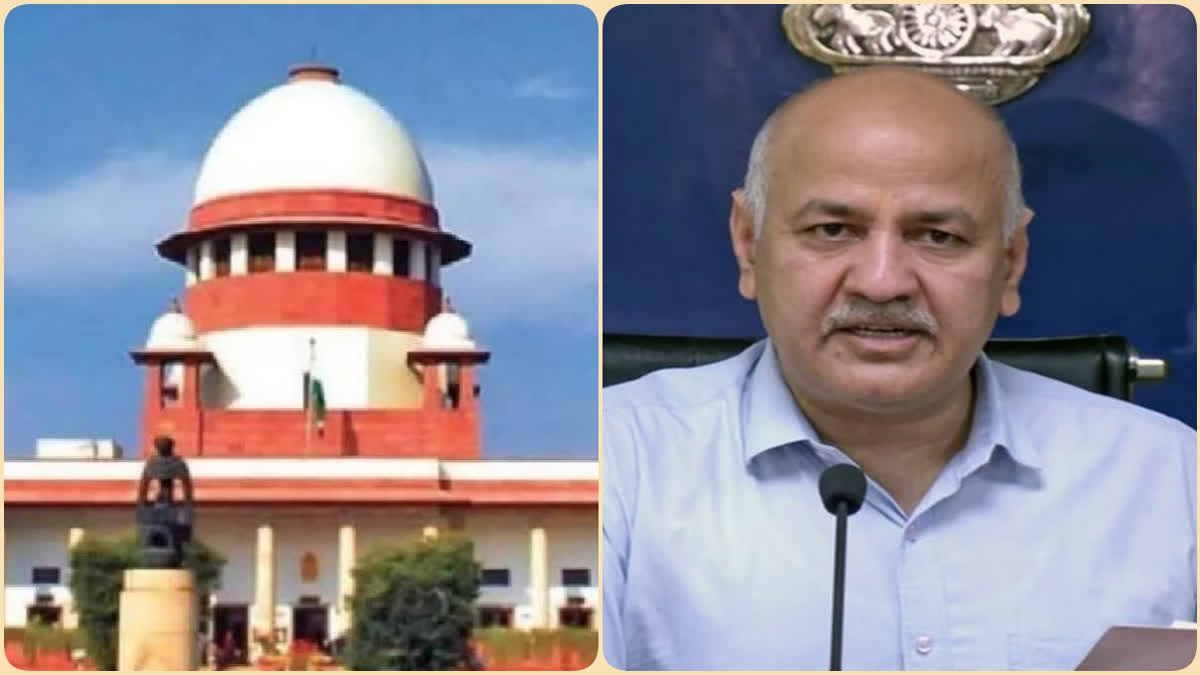
Chief Justice of India (CJI) Surya Kant on Friday clarified that no petition had been filed before the Supreme Court seeking judicial intervention into the alleged police excesses during the July 20 crackdown on student protesters in the national capital. The CJI also strongly criticised reports claiming that the apex court had refused to hear such a plea, describing them as "reckless."
The issue came up before a bench headed by the Chief Justice when senior advocate Shoeb Alam mentioned an unrelated matter arising from a Bombay High Court judgment and requested an urgent hearing. During the proceedings, the CJI addressed the controversy surrounding media reports suggesting that the Supreme Court had declined to list a petition challenging the July 20 police action.
Clarifying the court's position, CJI Surya Kant said the Supreme Court registry had verified its records and found that no writ petition had been instituted in connection with the alleged police excesses. He noted that despite claims circulating publicly, there was no formal filing before the apex court.
"It has happened recently that nothing was filed and the matter was mentioned before us. I checked from the registry, and not a single page has been filed in the Supreme Court," the Chief Justice remarked, underlining that the court cannot be expected to hear a matter that has not been formally instituted.
The CJI's observations came amid widespread discussion over the July 20 crackdown on student protesters in Delhi, which had sparked allegations of excessive use of force by the police. Reports claiming that the Supreme Court had refused to entertain a plea on the issue had drawn criticism from several quarters.
By clarifying that no petition had actually been filed, the Chief Justice sought to dispel what he termed misinformation regarding the court's role. His remarks also highlighted the importance of verifying facts before attributing judicial decisions to the Supreme Court.
The clarification underscores that any request for the apex court's intervention must follow the prescribed legal process, beginning with the filing of a petition. Without such a filing, the court has no occasion to consider or reject a matter.
The Supreme Court's statement is expected to put to rest speculation over its alleged refusal to hear the issue, while also serving as a reminder against the dissemination of inaccurate reports concerning judicial proceedings.




















Leave Your Comment