


Perhaps no one explains the importance of budgeting better than writer and publisher William Feather. A budget is a great tool to tell you where your money should go. But it's up to you to hold yourself accountable. “A budget tells us what we can't afford, but it doesn't keep us from buying it,” – William Feather, who founded a successful printing business but was best known as editor of the company's, The William Feather Magazine.
Finance Minister Nirmala Sitharaman presented the Union Budget for the fiscal year 2024-25, outlining the government's financial roadmap aimed at reviving the economy, promoting growth, and ensuring social welfare. The budget, delivered against the backdrop of ongoing economic challenges and global uncertainties, focused on several key areas to propel India towards a path of sustainable development and inclusive growth.
Economic Recovery and Growth: The budget emphasised the government's commitment to reviving economic growth post-pandemic. Measures such as increased infrastructure spending, incentives for key sectors, and reforms to boost private investment were announced to stimulate economic activity and create job opportunities.
Healthcare and Pandemic Preparedness: Recognising the importance of a robust healthcare system, significant allocations were made towards strengthening healthcare infrastructure, enhancing medical research, and improving access to quality healthcare services. Investments in vaccine development and pandemic preparedness were also prioritised.
The Budget significantly focussed on healthcare, recognising the importance of a robust healthcare system in light of the ongoing pandemic and the country's long-term development goals. The budget allocated significant funds towards strengthening healthcare infrastructure across the country. This includes investments in building new hospitals, upgrading existing healthcare facilities, and improving medical equipment and technology to enhance healthcare services.
Emphasis was placed on promoting medical research and innovation in the healthcare sector. Funds were allocated towards supporting research institutions, encouraging collaboration between academia and industry, and fostering the development of new medical technologies and treatments.
Measures were introduced to improve access to quality healthcare services, especially in rural and underserved areas. Initiatives such as setting up health clinics, mobile health units, and telemedicine services were announced to ensure that healthcare reaches all sections of society.
Given the ongoing COVID-19 pandemic and the importance of vaccination in controlling the spread of diseases, the budget allocated resources towards vaccine development, procurement, and distribution. Additionally, funds were earmarked for enhancing pandemic preparedness and strengthening public health infrastructure.
The budget included provisions to expand health insurance coverage and provide financial support to individuals for healthcare expenses. Measures to make healthcare more affordable and accessible, particularly for low-income groups, were introduced to ensure that healthcare services are within reach for all.
Overall, the budget for healthcare in India reflected a comprehensive approach towards improving healthcare infrastructure, promoting medical research, enhancing access to healthcare services, and strengthening pandemic preparedness. By prioritising healthcare in the budget, the government aims to build a resilient healthcare system that can effectively address current challenges and cater to the healthcare needs of the population in the years to come.
Education and Skill Development: The budget laid emphasis on enhancing the quality of education and promoting skill development to equip the workforce with the necessary capabilities for the future. Initiatives to modernise educational institutions, promote digital learning, and foster innovation and research were announced.
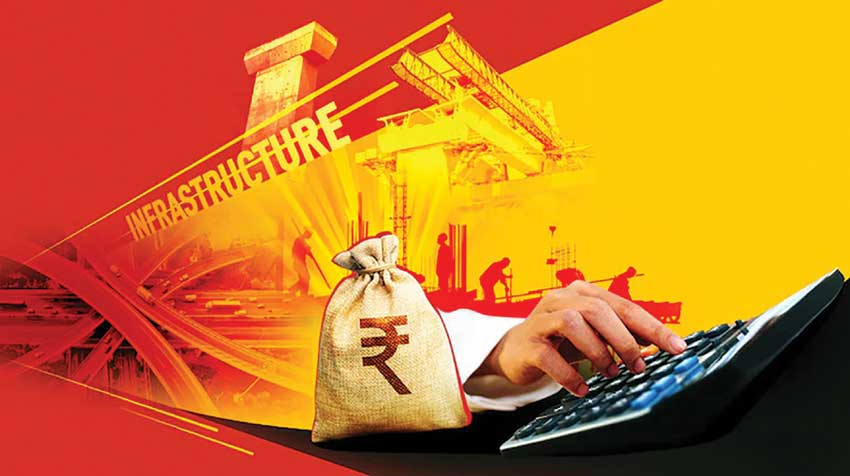
Infrastructure Development: Infrastructure development emerged as a key focus area, with substantial allocations for projects aimed at improving connectivity, modernising urban infrastructure, and bolstering rural development. Investments in transportation, energy, and digital infrastructure were highlighted to spur economic growth.
Social Welfare: The budget underscored the government's commitment to social welfare schemes and inclusive development. Measures to enhance social security, promote welfare programs for marginalised communities, and ensure financial inclusion were announced to address the needs of vulnerable sections of society.
Taxation Reforms: The budget proposed certain taxation reforms aimed at simplifying the tax system, promoting compliance, and incentivising investment. Measures to rationalise tax structures, streamline procedures, and enhance transparency were introduced to create a more conducive environment for businesses and individuals.
Reactions: Prominent economists and industry experts who praised certain aspects of the financial roadmap while also offering constructive feedback on areas that could be further strengthened.
Infrastructure and Healthcare Focus: Economists and industry experts commended the government's emphasis on infrastructure development and healthcare in the budget. They viewed investments in these sectors as crucial for economic growth, job creation, and overall well-being of the population.
Long-Term Vision: Many experts appreciated the budget's focus on long-term growth and development rather than short-term fixes. They lauded the government's efforts to address structural challenges and lay the foundation for sustainable progress in key areas such as education, skill development, and social welfare.
Taxation Reforms: Certain economists welcomed the proposed taxation reforms aimed at simplifying the tax system, promoting compliance, and incentivising investment. They viewed these measures as positive steps towards creating a more business-friendly environment and fostering economic dynamism.
Inclusive Approach: Experts also noted the budget's emphasis on social welfare schemes and inclusive development, highlighting the government's commitment to addressing the needs of vulnerable sections of society and promoting financial inclusion.
Healthcare Investments: The substantial allocations towards healthcare infrastructure, medical research, and pandemic preparedness were particularly well-received by experts, who recognised the importance of a robust healthcare system in safeguarding public health and promoting overall well-being.
Constructive Feedback
While offering praise for several aspects of the budget, experts also provided constructive feedback on areas that could be further improved. Experts emphasised the need for a robust implementation strategy to ensure that the proposed measures translate into tangible outcomes on the ground. They called for clear timelines, monitoring mechanisms, and accountability frameworks to track progress and address implementation challenges.
Fiscal Discipline: Some experts highlighted the importance of maintaining fiscal discipline and ensuring sustainable debt levels to safeguard macroeconomic stability. They advised caution in managing fiscal deficits and debt accumulation to prevent adverse consequences on the economy.
Recommendations were made to further prioritise key sectors such as agriculture, job creation, and rural development to address pressing challenges and promote inclusive growth across all regions of the country.
Overall, the positive reaction to the budget highlighted the government's efforts to address critical issues and foster long-term development, while also underscoring the importance of effective implementation, fiscal prudence, and sectoral prioritisation to maximise the budget's impact and drive sustainable progress in the Indian economy.
"The recent budget announcement marks a significant boost for the fintech sector. Key highlights include a ₹10,000 crore allocation to enhance digital infrastructure, aiming to facilitate smoother online transactions and bridge the digital divide. To encourage digital payments, the government has introduced ₹2,000 crore in tax incentives for businesses and individuals,” says Ms. Neeru Puri, Managing Director RupeeQ.
"Fintech startups receive robust support with ₹5,000 crore allocated to the Fintech Startup Fund, alongside tax holidays and simplified regulatory frameworks benefiting over 2,500 startups. Cybersecurity receives a ₹3,000 crore investment to safeguard against fraud, and data protection laws are strengthened with a ₹1,500 crore budget."
"The budget also focuses on financial inclusion, with ₹2,000 crore allocated to expand mobile banking, targeting 50 million additional rural users. Collateral-free loans for MSMEs are enhanced with ₹4,000 crore in guarantees. Additionally, ₹1,000 crore is earmarked for fintech hubs, fostering innovation and collaboration within the sector," says Ms. Puri.
The union budget has tried to give impetus to employable skills, industry exposure of youth and support to students pursuing higher education in India. The health sector, and the National Health Mission within it, have seen an increase in budget allocation this time. Newborn, young mothers and adolescents will continue to benefit immensely. I believe more collaborative and coordinated efforts among various sectors such as corporate, government and non-profits will further the vision of a developed India, says Santanu Mishra, Co-founder of Smile Foundation.
The budget presentation received mixed reactions from various stakeholders, with industry bodies welcoming certain initiatives while expressing concerns over certain aspects. Economists lauded the focus on infrastructure and healthcare, viewing them as critical for sustainable growth. However, some experts raised questions about the fiscal deficit targets and the implementation strategy of proposed reforms.
Overall, the Union Budget for 2024-25 outlined a comprehensive roadmap for economic recovery and growth, emphasising key sectors such as healthcare, education, infrastructure, and social welfare. The success of the budget lies in effective implementation and monitoring of the proposed measures to achieve the desired outcomes and propel India towards a path of prosperity and development.
Opposition’s take on the Budget
Overall, the opposition's response to the budget was characterised by a skeptical view of the government's fiscal policies, implementation strategies, sectoral priorities, and consultation processes. While acknowledging certain positive aspects of the budget, opposition parties called for greater transparency, accountability, and responsiveness from the government to address the challenges facing the economy and ensure inclusive growth and development for all segments of society.
They expressed apprehensions over the government's fiscal deficit targets, questioning the feasibility of achieving them given the ambitious spending plans outlined in the budget. Some critics raised concerns about the potential impact of high fiscal deficits on inflation, interest rates, and overall macroeconomic stability.
The opposition highlighted the need for effective implementation of the proposed measures and raised doubts about the government's capacity to deliver on its promises. Questions were raised about the timeline for execution, allocation of resources, and monitoring mechanisms to ensure that the budgetary allocations translate into tangible outcomes on the ground.
Certain opposition parties criticised the allocation of funds across different sectors, arguing that the budget did not adequately prioritise key areas such as agriculture, rural development, job creation, and social welfare. Some critics pointed out perceived disparities in resource allocation and called for a more equitable distribution of funds to address the needs of all sections of society.
Opposition parties raised concerns about certain taxation policies proposed in the budget, questioning their impact on different segments of the population and the overall economy. Criticisms were directed towards specific tax reforms, incentives, and exemptions, with some parties calling for a more progressive and inclusive tax regime.
Some opposition leaders criticised the government for not engaging in sufficient consultation with stakeholders, including state governments, industry bodies, and experts, during the budget-making process. They argued that a more inclusive and participatory approach could have led to better-informed decisions and more effective policy outcomes.
Vox Populi
Below is the compilation of some quotes capturing different perspectives and reactions to various aspects of the budget, reflecting the diverse opinions and insights shared by stakeholders, experts, and commentators in response to the financial roadmap presented by the Finance Minister.
"This budget is a comprehensive roadmap towards economic recovery, growth, and social welfare, laying the foundation for a stronger and more inclusive India.”
"The focus on healthcare and infrastructure in this budget reflects the government's commitment to building a resilient and sustainable future for all citizens.”
"By promoting education, skill development, and innovation, this budget aims to empower the youth and drive India towards a path of prosperity and progress.”
"The proposed taxation reforms are designed to simplify the tax system, promote compliance, and create a more conducive environment for businesses to thrive and expand.”
"Investments in healthcare, education, and social welfare underscore the government's vision of a more equitable and inclusive society, where every citizen has the opportunity to succeed.”
"The budget strikes a balance between short-term stimulus measures and long-term structural reforms, setting the stage for sustainable growth and development in the years to come.”
"While there are positive aspects in the budget, effective implementation and monitoring will be key to realising the intended outcomes and maximising the impact of the proposed initiatives."
"The government's focus on infrastructure development is a welcome move that will not only create jobs but also enhance connectivity, productivity, and overall economic competitiveness.”
"This budget sends a strong signal of the government's commitment to enhancing healthcare access, promoting research, and strengthening pandemic preparedness in the wake of global health challenges.”
"As we navigate through uncertain times, the budget's emphasis on fiscal prudence, inclusive growth, and social welfare sets a positive tone for India's economic recovery and future prospects."
The budget should be balanced, the Treasury should be refilled, public debt should be reduced, the arrogance of officialdom should be tempered and controlled, and the assistance to foreign lands should be curtailed lest Rome become bankrupt.
(The content of this article reflects the views of writers and contributors, not necessarily those of the publisher and editor. All disputes are subject to the exclusive jurisdiction of competent courts and forums in Delhi/New Delhi only)

By Alok Sharma














Leave Your Comment