


In the last decade, under the leadership of Prime Minister Narendra Modi, India has redefined its position on the global stage. Understanding that geopolitics is increasingly driven by economic strategy and global trade, the Modi government has focused on expanding India’s influence by developing key trade routes. Modi's diplomatic efforts, or "Modiplomacy," have focused on creating new pathways to global markets, facilitating the flow of goods, services, and wealth. Central to this strategy is the development of new trade routes that directly contribute to India’s international trade, ensuring India's rise as a global economic powerhouse. These initiatives have also drawn the attention of major world powers like the USA and Russia, both of whom see India's expanding network as a strategic asset.
The Vision Behind India's Trade Route Strategy
India’s new trade route strategy isn’t simply about improving transportation logistics—it is a sophisticated geopolitical maneuver to enhance India's global trade reach, counter China's Belt and Road Initiative (BRI), and secure strategic alliances. Trade routes are instruments of economic connectivity, but they are also avenues through which India can project power, influence regional politics, and solidify its role as a crucial economic hub. Modi’s government has worked on multiple fronts to ensure India’s integration into both regional and global trade networks, ensuring that India can efficiently engage with rapidly expanding markets.
Key Trade Routes Developed by Modi’s Government
The International North-South Transport Corridor (INSTC)
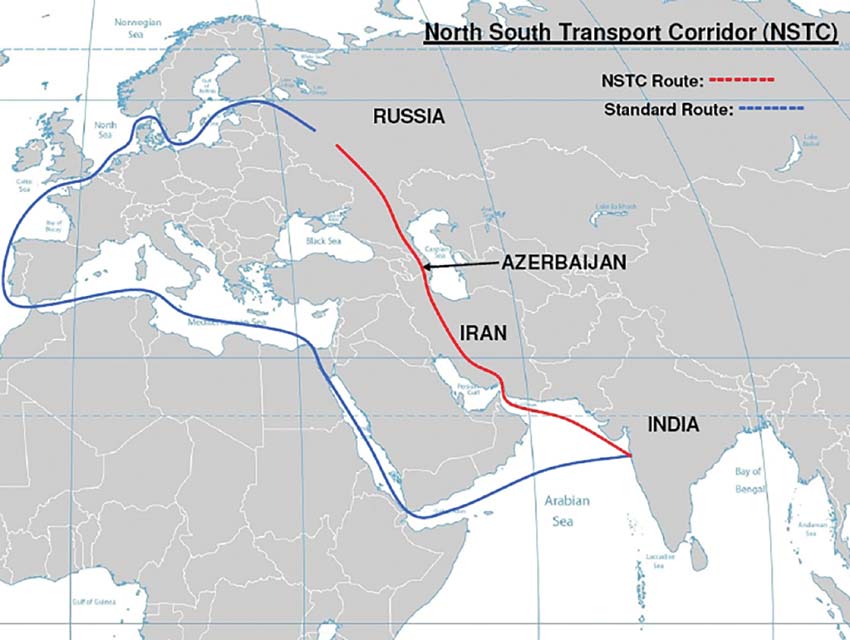
The INSTC, a 7,200-km multi-modal transportation network linking India with Iran, Central Asia, and Russia, stands as a flagship project under Modiplomacy. The INSTC connects the Indian Ocean with the Caspian Sea via Iran, allowing Indian goods to reach Europe and Central Asia without depending on traditional routes like the Suez Canal.
• Benefits to India: The INSTC offers India direct access to Central Asian markets and a faster route to Europe, reducing transportation time by 40%. This boosts the competitiveness of Indian exports while enhancing trade relations with Central Asian countries rich in energy resources.
• Global Impact: For Russia, the INSTC offers an alternative trade route to bypass Western sanctions, making India a key partner in circumventing the Western-dominated maritime routes. Iran also benefits as it becomes a strategic logistical hub, despite facing sanctions. This trade corridor, thus, enhances India's geopolitical leverage.
Chabahar Port in Iran
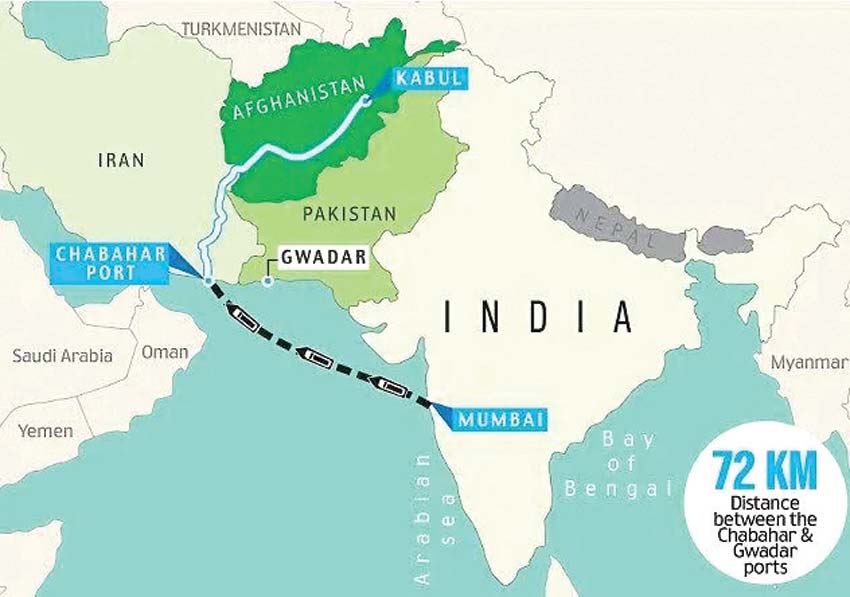
Located on Iran’s southeastern coast, the Chabahar port provides India with direct access to Afghanistan and Central Asia while bypassing Pakistan. It is a critical counter to China’s Gwadar Port in Pakistan and plays an essential role in Modi’s strategy to enhance India's influence in the region.
• Benefits to India: Chabahar allows India to bypass Pakistan, facilitating trade with Afghanistan and Central Asia. It enhances India's energy security by providing an important route for oil and gas imports from Iran and Central Asia.
• Global Interest: The USA has granted India an exemption from sanctions on Iran specifically for Chabahar, demonstrating the strategic importance of the port. The route serves as a vital link for the USA’s plans in Afghanistan and a counterbalance to China’s presence in the region through its BRI.
The India-Myanmar-Thailand Trilateral Highway
Part of India’s "Act East" policy, this 1,360 km road aims to connect India's northeastern states to Myanmar and Thailand, fostering closer trade ties with Southeast Asia. The highway enhances India's ability to trade with ASEAN nations, some of the fastest-growing economies in the world.
• Benefits to India: The highway provides a direct land route to Southeast Asia, increasing India’s exports to these rapidly expanding markets. The project also integrates India's northeastern region, helping these states become part of global supply chains.
• Global Impact: The highway offers an alternative to China's infrastructure dominance in the region, countering Beijing’s influence in Southeast Asia. By facilitating India’s economic presence in the region, the highway strengthens regional ties and expands India’s geopolitical influence.
The Indo-Pacific Trade Routes
India’s emphasis on the Indo-Pacific as a strategic region has led to increased focus on maritime trade routes spanning from the eastern coast of Africa to the Pacific islands. Modi's Indo-Pacific strategy seeks to enhance trade through secure sea lanes and strengthen economic ties with Southeast Asia, East Asia, and Oceania.

• Benefits to India: These routes bolster India’s exports to fast-growing economies like Vietnam, the Philippines, and Japan, while also enhancing energy security by providing access to Southeast Asian natural resources.
• Global Interest: The USA is particularly invested in the Indo-Pacific trade routes as part of its strategy to counter China’s dominance in the region. By working with India to secure these routes, the USA helps maintain freedom of navigation, vital for international trade.
The India-Middle East-Europe Economic Corridor (IMEC)
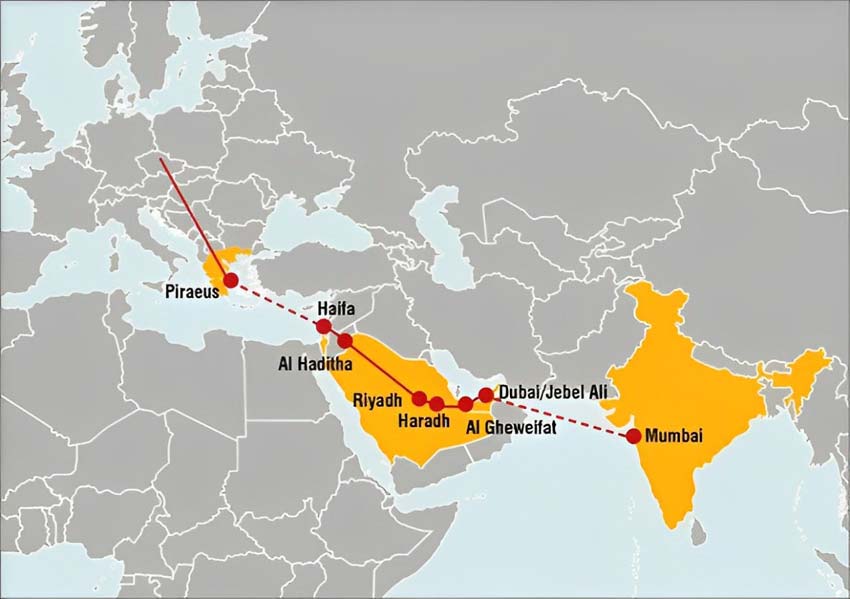
Launched at the 2023 G20 Summit in New Delhi, the IMEC aims to connect India with Europe via the Middle East, creating a new trade route that bypasses the Suez Canal. This economic corridor will significantly reduce shipping costs and time for goods traveling between India, the Middle East, and Europe.
• Benefits to India: The IMEC provides direct access to European markets, allowing Indian goods to reach Europe faster and at a lower cost. The corridor also enhances India’s ties with the Middle East, a crucial region for energy imports.
• Global Impact: The IMEC aligns with Russia’s ambitions to diversify its trade routes, while the USA views it as a necessary counterbalance to China’s BRI. The IMEC enhances India’s standing as a critical link between Europe and Asia.
BIMSTEC (Bay of Bengal Initiative for Multi-Sectoral Technical and Economic Cooperation)
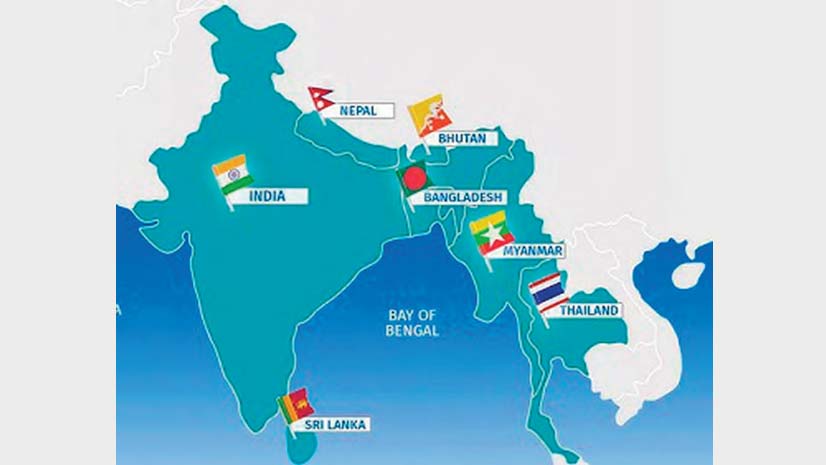
BIMSTEC, an international organization involving countries in South Asia and Southeast Asia, focuses on promoting regional connectivity through trade and infrastructure development. As a member, India has been instrumental in pushing for stronger ties among BIMSTEC nations to create a seamless regional market.
• Benefits to India: BIMSTEC provides India with access to neighboring markets, enhancing trade within South Asia and Southeast Asia. It also helps in integrating India’s northeastern region with Southeast Asia through enhanced connectivity projects.
• Global Impact: BIMSTEC serves as a counterweight to SAARC, which has seen limited progress due to tensions between India and Pakistan. Through BIMSTEC, India strengthens its ties with smaller South Asian and Southeast Asian nations, while reducing China’s influence in the Bay of Bengal.
Strategic Benefits for India
1. Countering China's Influence: By developing alternative trade routes, India offers nations in South Asia, Central Asia, and Southeast Asia new options that reduce dependence on China’s Belt and Road Initiative (BRI). India’s involvement in BIMSTEC, the INSTC, and the Indo-Pacific corridors helps to build a network of nations looking for alternative partnerships beyond China.
2. Boosting Economic Growth: India’s new trade routes will enable the faster, cheaper, and more efficient flow of goods and services. This will not only bolster India's domestic industries but also allow it to engage more robustly in global supply chains. By accessing new markets through BIMSTEC and the India-Myanmar-Thailand highway, India’s export-driven sectors will thrive.
3. Enhancing Global Connectivity: Modi’s government has focused on creating connectivity that positions India as a pivotal trade and logistics hub between Asia, Europe, and the Middle East. Through initiatives like BIMSTEC and the IMEC, India is able to connect multiple regions, further integrating itself into global trade networks.
4. Increasing Geopolitical Leverage: India’s role in developing these trade routes has significantly increased its geopolitical clout. The USA and Russia, both invested in these routes, have recognized India’s central role in the emerging multipolar world. By fostering strong trade relationships and leveraging its strategic position, India strengthens its diplomatic ties and global standing.
Conclusion
Under PM Modi’s leadership, India has successfully developed a network of strategic trade routes that not only enhance its economic prospects but also position it as a global player in geopolitics. These routes, spanning from Central Asia to the Indo-Pacific, are not merely infrastructure projects; they are pathways for India to exert influence, secure alliances, and expand its global trade reach. Through initiatives like the INSTC, Chabahar Port, BIMSTEC, and the IMEC, India is at the forefront of a new global trade order. As great powers like the USA and Russia take note of these routes, India is poised to emerge as a crucial link in global trade, ensuring its rise as both an economic and geopolitical leader.
(The content of this article reflects the views of writers and contributors, not necessarily those of the publisher and editor. All disputes are subject to the exclusive jurisdiction of competent courts and forums in Delhi/New Delhi only)
By Nilabh Krishna














Leave Your Comment