


The recent water crisis in Delhi starkly underscores the looming water challenges faced by major Indian cities like Bangalore, Hyderabad, Chennai, and Mumbai. This situation reveals the anarchy prevalent in water resource management and governance. While the Delhi government and neighboring states engage in a blame game, water sector experts remain united. They emphasise the urgency of understanding groundwater's criticality, obtaining effective data on water usage, and promoting water reuse.
The state of water data in India
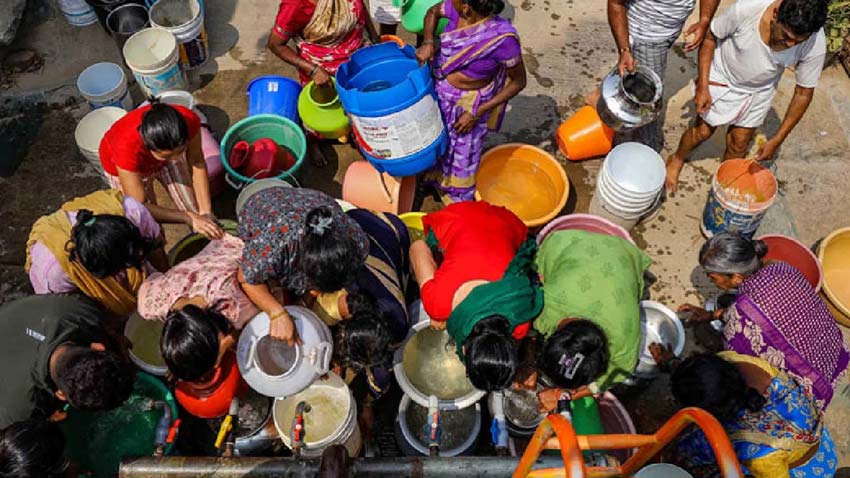
With the impending water crisis threatening major Indian cities and even semi-urban and rural areas, utilities still lack comprehensive water supply and consumer demand data. The difference in data availability between my first job as a data analyst and my role as a water policy researcher was like moving from Cherrapunji to Jaisalmer!
The Kritsnam initiative
While exploring water conservation, I encountered an innovative start up that addresses these issues. Engineers from IIT Kanpur, recognising the same challenges, adopted an engineering approach to develop affordable, reliable, and accurate water meters. This led to the formation of Kritsnam, an innovative start-up incubated by IIT Kanpur's Startup Incubation and Innovation Center (SIIC).
Engineering meets hydrology
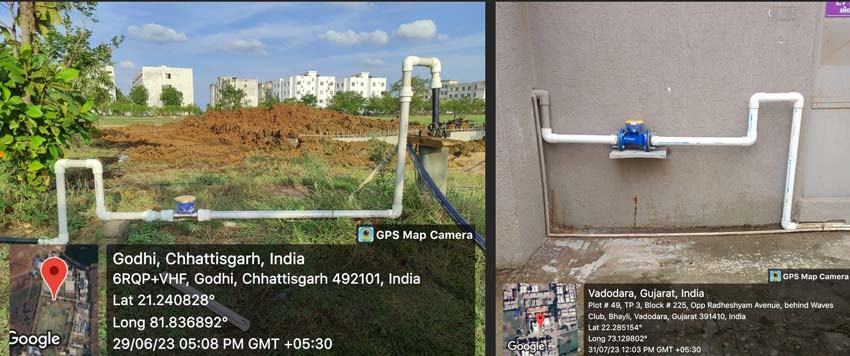
Vinay Chataraju, co-founder of Kritsnam, highlights their unique position as trained hydrologists in water metering device development. Their scientific focus on water metering is reflected in product design and simple ingenuity in implementing it in the field. For example, they ensure laminar flow by installing meters in U-shaped pipe segments for accuracy.
Kritsnam's founders, motivated by a water conservation mission, work tirelessly to engage stakeholders, innovate financial models, and communicate the benefits of water metering. Their experience spans working with agriculture departments, municipal water bodies, industries, and individual households. The real challenge ahead lies in stakeholder convincing rather than engineering precision. The water meters still need either regulatory mandate or financial incentives to adopt at a wider scale.
The challenge of generating demand and convincing the stakeholders
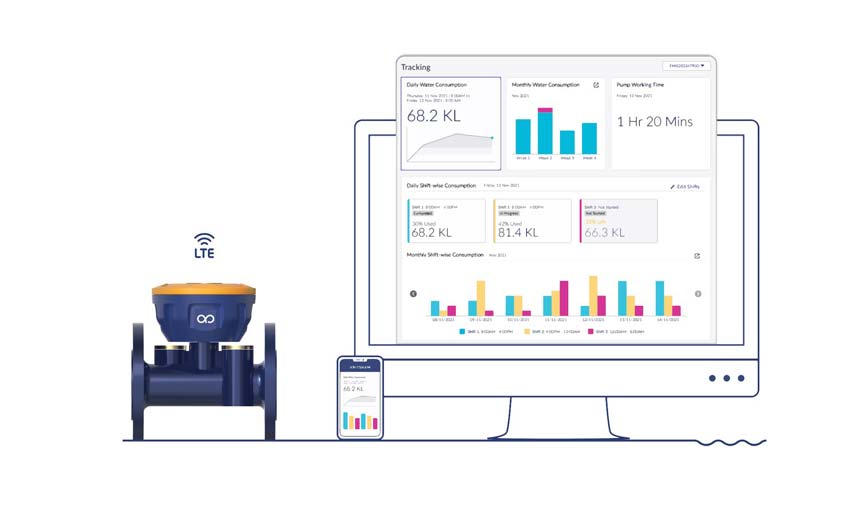
While developing accurate devices addresses supply, creating demand for solutions is critical. Effective implementation faces challenges due to diverse stakeholder perspectives, overlapping jurisdictions, and varying governance models. Kritsnam’s critical demand threshold emerged from India's groundwater policy, which mandates industries to compensate for groundwater usage. This policy created a demand for Kritsnam’s products.
Towards a new water management paradigm
Addressing "wicked" water problems requires combining science, policy, incentives, and political will. The current water crisis in Delhi should serve as an alarm for a new water management paradigm, shifting the focus from augmenting supply to managing demand. It is easy to shout about not having enough water. The water availability is going to decline over the years with increasing demand and India’s unique anthropogenic burdens. There is a need to develop and implement solutions that incentivise more efficient use of water and reduce wastefulness and leakages in the system.
PS: Do read the other stories in our “Water-entrepreneurs” series to understand the innovative solution tried and tested for solutions.
*** Through our "Water-preneurs of India" series, we aim to spotlight the journeys of entrepreneurs addressing various water-related challenges. These innovators are developing scalable solutions tailored to India's unique needs, paving the way for a brighter, more sustainable future.
By Praharsh M Patel
(https://www.indiawaterportal.org/articles/meter-measure-manage-engineering-data-based-approach-water-conservation)
(The content of this article reflects the views of writers and contributors, not necessarily those of the publisher and editor. All disputes are subject to the exclusive jurisdiction of competent courts and forums in Delhi/New Delhi only)















Leave Your Comment