


Kumbh Mela is one of the most significant cultural and religious gatherings globally, deeply rooted in Indian spirituality and tradition. It is held every 12 years at four sacred locations: Prayagraj, Haridwar, Ujjain, and Nasik based on the belief that the drops of Amrit (divine nectar), which emerged after the churning of the ocean, fell at the sites during the cosmic battle between gods and demons. The battle lasted for 12 days in celestial terms, equivalent to 12 years on earth. The mela’s timing is determined by specific planetary alignments, marked by the confluence of Sun, Moon, and Jupiter in specific zodiac signs, which are considered extremely powerful in Hindu astrology for spiritual purification. Additionally, Jupiter’s 12-year orbit around the sun influences the timing of the festival. Maha Kumbh Mela occurs at Prayagraj every 12th cycle of the Kumbh Mela, which means every 144 years. This grander version of the event is considered the most auspicious and spiritually significant among all the Kumbh Melas and holds immense spiritual importance for millions of devotees who believe that bathing in the holy rivers during this time cleanses the sins and liberates one from the cycle of life and death.
The Kumbh Mela is an essential gathering for the Akharas, whose history is deeply intertwined with this grand festival. During the Kumbh Mela, Akharas showcase their spiritual and organizational strength. The Akhara system was established by Adi Shankaracharya, who organized the fragmented sects of Hindu ascetics into structured group to help protect and unify the faith in the face of external threats. Akharas are broadly classified into three main categories based on their deity of worship: Shaiv Akhara (dedicated to lord Shiva), Vaishnav Akhara (dedicated to lord Vishnu), and Udasi Akhara (rooted in Sikh traditions). There are 13 major Akharas, recognized as the key participants in Kumbh Mela.
Akharas, led by Mahamandaleshwars march in royal grandeur with their saints, mahants (chiefs), and nagas (naked ascetics) in a sequence for taking a sacred dip known as Shahi Snan, which reflects their historical performance. They setup camps to engage devotees with teachings, debates, yoga, and religious ceremonies including Vedic rituals. The Mela also serves as a platform for resolving disputes among Akharas and establishing leadership hierarchies. Mahamandaleshwars also symbolize the unity and diversity within Hinduism, as they bring together monks and followers from various traditions under one umbrella during Kumbh Mela, they hold administrative and spiritual authority over their respective Akharas, managing disciples, resources, and rituals. Although the influence of Akharas declined during the colonial period and revival began in post-independence era. The Mela, being a symbol of Hindu unity, has continued to offer Akharas a platform to reclaim their cultural and spiritual relevance. The Akharas remain custodians of India’s spiritual heritage along with promoting interfaith harmony and societal well-being. Their deep-rooted traditions continue to inspire millions during Kumbh Mela, embodying the essence of India’s timeless spirituality. It serves as the convergence point for saints, ascetics, and spiritual seekers from various sects, fostering religious discourse, meditation, and reflection. Beyond its spiritual significance, Kumbh Mela symbolizes India’s cultural and social unity. It transcends barriers of caste, creed, and nationality, attracting millions including international visitors in large numbers, to witness the grandeur of Indian spirituality. The UNESCO recognized event showcases India’s ability to organize and manage large scale gatherings, incorporating modern infrastructure and traditional values. Kumbh Mela is not just a festival but a testament to the enduring spiritual and cultural heritage of India, fostering unity, faith, and hope across generations.
The Maha Kumbh Mela of 2025, organized from 13th January to 26th February in Prayagraj, spans an area of 4000 hectares. Prayagraj, one of India’s holiest cities, is renowned for the Triveni Sangam, the confluence of three rivers known as Triveni Sangam, the confluence of Ganga, Yamuna, and mythical Sarswati rivers. The Yamuna meets Ganga at Sangam, its water is darker compared to Ganga, creating a visual distinction at their confluence. Key dates for Shahi Snan include 14th January (Makar Sankranti), 29th January (Mauni Amavasya), and 3rd February (Vasant Panchmi), alongside other holy dips on 12th January, 12th and 26th February. To ensure the event’s smooth organization, extensive infrastructure developments have been made, including enhanced riverfronts, ghats, and upgraded transport networks like roads, railways, bus terminals, and airports. Temporary bridges, flyovers, shuttle services for pilgrims have been setup. Accommodation arrangements feature tent cities and other temporary housing facilities, modern toilets and advanced waste management systems will ensure cleanliness during the event. Medical facilities, including temporary hospitals, first-aid centers, and ambulance services will be available round the clock. High-tech surveillance systems with CCTV cameras, drones, and anti-drone system are being deployed for crowed management and security. Dedicated police and emergency response teams are being posted throughout the area. Mobile apps for navigation, information, and emergency alerts, along with advanced firefighting system, are in place. Online registration systems for accommodations and other facilities are available. The UP government has declared this area as ‘Maha Kumbh Mela’ district ensuring efficient governance for an event to be attended by over 400 million devotees.
The entire ecosystem around the mela is expected to experience a massive economic boom. The sale of theme-based items like diaries, calendars, jute bags, and stationery is going to see a major surge. The UP government is expected to generate the revenue over Rs25000 crores through taxes, rentals, and service charges. It is likely to provide jobs to about 45000 families. The hospitality, transportation, tourism, and retail sectors stand to gain significantly. The nearby spiritual places like Varanasi, Ayodhya, and Vindhyavasini will also be benefitted from this mega celebration. These arrangements aim to make the Maha Kumbh Mela of 2025 a grand, safe, and enriching event, solidifying Prayagraj’s role as a beacon of religious fervor.
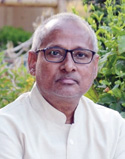
By Manoj Dubey
Principal (Retd.)
Delhi Public Schools
(The content of this article reflects the views of writers and contributors, not necessarily those of the publisher and editor. All disputes are subject to the exclusive jurisdiction of competent courts and forums in Delhi/New Delhi only)














Comments (9)
Very deep and precise information on kumbh mela.
A
Very informative text on ongoing mahakumbh at prayagraj with religious and spiritual reflections.
S
Highly informative, its tells us about naga sadhus and their role in saving sanatan dharma.
N
A significant article covering the journey of Kumbh Mela over the time. Indeed, this event has left the whole world awe struck. Everyone who takes the holy dip at the Triveni has risen well above caste, creed, regional, linguistic barriers. This is a big slap on the face of those politicians who play the caste card for votes. The beauty of this article is the all inclusive data provided herein. My appreciation for the author Mr. Manoj Dubey.
S
कुम्भ मेला भारतीय आस्था का जीता-जागता प्रमाण है। हमारा शास्त्र ग्रहीय,नक्षत्रीय गतिविधियों को उतना ही प्रकाशित करता है जितना ईश्वरीय एवं दैवीय लीला को। वर्तमान लेख मानव जीवन पर इन सब अदृश्य घटनाओं के प्रभाव का एक विस्तृत अवलोकन है जिसमें हमारे शासन तंत्र का सकारात्मक सहयोग का भी उल्लेख किया गया है। लेखन अत्यंत प्रशंसनीय है ।
H
कुम्भ मेले के सम्बन्ध में सुन्दर लेख लिखा गया है। लेखक का प्रयास सराहनीय है। कुम्भ के आयोजन से संबंधित सभी पहलुओं को छुआ गया है।
S
Importance of kumbh beautifully described by the author Akharas origin and value was not known to most of us
S
A specific and important article on Kumbh.
S
Manoj is a prolific writer. He has penned his views on a variety of issues. Let me congratulate him for his consistent contributions.