


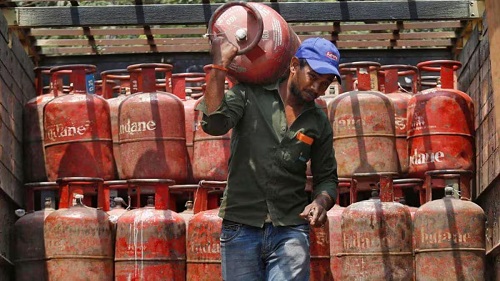
Amid growing reports of a shortage of liquefied petroleum gas (LPG) cylinders in several Indian cities, Union Petroleum and Natural Gas Minister Hardeep Singh Puri held a meeting with Prime Minister Narendra Modi to review the situation and discuss measures to stabilise supply. The meeting comes at a time when the government is closely monitoring the impact of global geopolitical tensions on India’s energy availability. A Cabinet press briefing on the issue is also scheduled for 4 pm.
The shortage has been reported primarily in the supply of commercial LPG cylinders used by restaurants, hotels, and other businesses. According to industry associations, the disruption has already forced several eateries and hospitality establishments in cities such as Mumbai, Bengaluru and Kolkata to temporarily shut operations due to irregular supply.
In a statement, Indian Oil Corporation Limited said the government has taken steps to increase LPG production and ensure priority allocation for domestic households and essential sectors. Hospitals and educational institutions will receive priority in LPG distribution to prevent disruption of critical services.
The company added that requests from other non-domestic sectors will be reviewed by a committee of Executive Directors from Oil Marketing Companies. The committee will determine allocations based on necessity, merit and overall product availability.
The supply disruption has been linked to the widening conflict in West Asia involving the United States, Israel and Iran, which has affected global fuel logistics and shipping routes. The ongoing war has created uncertainty in energy markets and caused delays in fuel shipments to several countries, including India.
Restaurant associations, including the Indian Hotel and Restaurant Association (AHAR), have raised concerns over the irregular supply of commercial LPG cylinders over the past few days. Industry representatives say many establishments are struggling to maintain operations as LPG is a critical fuel source for kitchens.
Meanwhile, the central government has invoked the Essential Commodities Act, 1955 to ensure adequate availability and regulated distribution of natural gas during the ongoing crisis. The move is intended to prevent hoarding, stabilise supply chains and prioritise essential consumption.
Officials say the government is continuously reviewing the situation and coordinating with oil marketing companies to minimise disruption. Further announcements regarding supply management and contingency measures are expected during the Cabinet briefing later today.
As global tensions continue to affect energy markets, authorities are focusing on ensuring that domestic LPG consumers remain protected while balancing the needs of essential services and commercial users across the country.



















Leave Your Comment