


India’s burgeoning semiconductor mission is a testament to its ambition to become a global leader in the ever-evolving tech landscape. Under Prime Minister Narendra Modi’s leadership, the Indian government has aggressively pursued its dream of transforming the nation into a hub for semiconductor production, an essential component for a wide range of industries, from consumer electronics to defense. Recent developments, including a significant deal signed with Singapore, indicate that India is steadily progressing toward this vision. This article explores the various facets of India’s semiconductor mission, its future potential, its impact on the electronics industry, proposed factories, major players in the field, and how it could reshape India’s standing in the global market.
The Crucial Role of Semiconductors in Modern Technology and Their Significance
Semiconductors are the foundation of nearly every technological device we use today, from the smartphones in our pockets to the advanced medical devices that save lives. Their significance in modern electronics and their extensive applications across industries make semiconductors one of the most critical technological components in the world. Understanding why semiconductors are important, their uses, and their broader significance offers a glimpse into how they power the digital age and drive innovation across multiple sectors.
Semiconductors are materials that have electrical conductivity between that of a conductor, like copper, and an insulator, like glass. Their unique ability to control electrical currents makes them essential for designing and building electronic devices. The most commonly used semiconductor material is silicon, but others like germanium and gallium arsenide are also used depending on the application.
At the heart of semiconductors is the ability to manage the flow of electricity. This is achieved through the process of doping—adding impurities to the semiconductor material to change its electrical properties. Semiconductors can be configured as either conductors or insulators, making them versatile building blocks for a wide array of electronic circuits and components.
Why are Semiconductors Important?

The importance of semiconductors lies in their role as the core component in electronic devices. Without semiconductors, modern electronics as we know them would not exist. Their ability to act as a switch, amplify signals, and enable complex computational tasks is what allows devices to process information, connect to networks, and perform countless functions that drive both everyday life and industry.
Foundation of Modern Electronics
The most critical role of semiconductors is in the fabrication of integrated circuits (ICs), also known as microchips. These microchips are the "brains" of all modern electronic devices, from computers and smartphones to household appliances and industrial machinery. Semiconductors enable the miniaturization of electronics, allowing more power to be packed into smaller, more efficient devices.

Without semiconductors, the computing power and connectivity that we rely on today—cloud computing, data storage, and wireless communication—would not be possible. The evolution of semiconductors has directly led to the exponential increase in computing power over the past few decades, following Moore’s Law, which predicts that the number of transistors on a microchip will double approximately every two years, improving processing power.
Driving Innovation in Multiple Industries
Semiconductors power advancements in virtually every sector. In telecommunications, they enable fast data transmission and network connectivity for billions of users globally. In the automotive industry, semiconductors are crucial for building electric vehicles (EVs), autonomous driving systems, and safety features like airbags and anti-lock brakes.

In healthcare, semiconductors have revolutionized medical diagnostics and treatments. From MRI machines to wearable health devices that monitor vital signs in real-time, semiconductor-based technologies enable better, faster, and more precise medical care. In energy, semiconductors are essential for building more efficient solar panels, wind turbines, and smart grids that manage power distribution.
Catalyst for the Digital Economy
Semiconductors are the engines behind the digital economy, facilitating e-commerce, digital communication, and cloud-based services. The massive growth of digital platforms—social media, streaming services, and remote work solutions—would be impossible without the data processing and connectivity enabled by semiconductors. This sector is also critical in cybersecurity, where microchips are integral to encrypting and securing sensitive information across digital networks.
Semiconductors are the engines behind the digital economy, facilitating e-commerce, digital communication, and cloud-based services. The massive growth of digital platforms—social media, streaming services, and remote work solutions—would be impossible without the data processing and connectivity enabled by semiconductors. This sector is also critical in cybersecurity, where microchips are integral to encrypting and securing sensitive information across digital networks.
Uses of Semiconductors
Semiconductors are used in a wide array of applications, thanks to their ability to conduct electricity in a controlled manner. Some of the primary uses of semiconductors include:
Computing Devices

One of the most recognizable uses of semiconductors is in computing devices, such as desktops, laptops, tablets, and smartphones. In these devices, semiconductors power central processing units (CPUs), graphics processing units (GPUs), memory storage, and other critical functions. Chips made from semiconductors are responsible for computing calculations, processing data, and running software applications.
Telecommunications
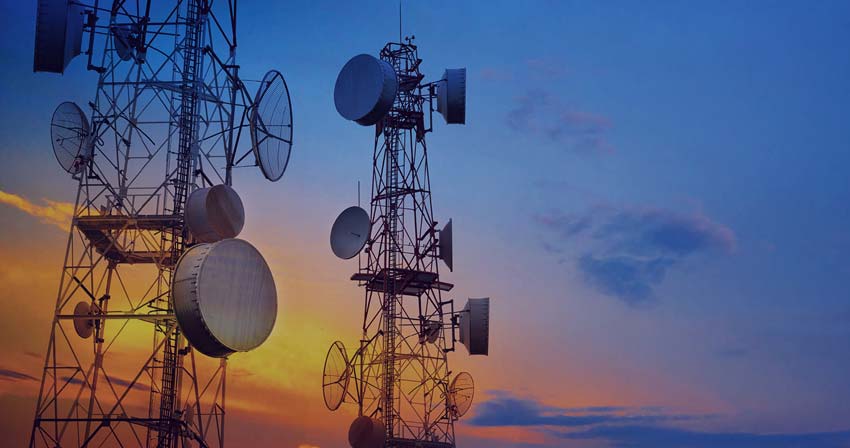
Semiconductors are vital to telecommunications, including mobile phones, satellite communications, and the internet. Microchips within networking equipment such as routers, modems, and fiber-optic devices help transmit data at high speeds across long distances. The development of 5G technology relies heavily on semiconductors to facilitate ultra-fast internet speeds and low latency.
Consumer Electronics

In the realm of consumer electronics, semiconductors are the building blocks of devices such as televisions, gaming consoles, smart home devices, and cameras. The advancements in smart devices, such as voice-activated assistants, IoT (Internet of Things) applications, and wearable technology, are powered by semiconductor chips that enable enhanced connectivity and computing power.
Automobiles and Electric Vehicles

The automotive industry is increasingly dependent on semiconductors for functions ranging from engine control and infotainment systems to safety features and autonomous driving technology. As the shift toward electric vehicles (EVs) accelerates, semiconductors are becoming even more critical for managing battery systems, power electronics, and regenerative braking.
Healthcare and Medical Devices

In the medical field, semiconductors are used in everything from diagnostic equipment like MRI scanners and ultrasound machines to pacemakers and wearable health monitors. The ability to integrate semiconductors into these devices allows for more accurate diagnostics, continuous monitoring, and the development of personalized treatment options.
The Broader Significance of Semiconductors
The global semiconductor industry is one of the most strategically important industries today, driving innovation, economic growth, and technological advancements. The significance of semiconductors extends beyond their technical applications to geopolitical and economic spheres.
Economic Impact

The semiconductor industry contributes significantly to the global economy. As digital transformation continues, the demand for semiconductors will grow exponentially. According to market reports, the global semiconductor market is projected to surpass $1 trillion by 2030, driven by demand for AI, 5G, IoT, and renewable energy solutions.
The semiconductor supply chain supports a wide range of industries, from tech giants like Apple, Intel, and Samsung to emerging startups in the AI and robotics sectors. This chain creates millions of jobs worldwide, from research and development (R&D) to manufacturing and design services.
Geopolitical Significance
Semiconductors have also become a focal point in global geopolitics. As the world becomes more reliant on advanced technologies, securing a stable and independent semiconductor supply chain is a top priority for governments. Countries like the U.S., China, and India are investing heavily in developing domestic semiconductor capabilities to ensure technological sovereignty and protect national security interests.

The global shortage of semiconductors, exacerbated by the COVID-19 pandemic, highlighted the vulnerabilities in the semiconductor supply chain, prompting many nations to rethink their strategies around chip manufacturing and technology transfer.
Technological Innovation
Semiconductors are at the heart of most technological breakthroughs in artificial intelligence (AI), machine learning, and quantum computing. As AI becomes more integrated into industries like healthcare, finance, and defense, semiconductors will be essential for building the processors capable of handling complex computations at high speeds. The evolution of quantum computing, in particular, depends on advances in semiconductor materials and chip design.

Semiconductors are the backbone of modern technology, shaping nearly every aspect of contemporary life. From enabling the powerful computing devices we use daily to revolutionizing industries such as healthcare and automotive, semiconductors are driving technological progress and economic growth. As the demand for digital transformation accelerates, semiconductors will continue to play an increasingly vital role, underscoring their significance in the global economy and beyond. In a world dependent on connectivity, data, and innovation, semiconductors will remain the keystone of future advancements.

By NILABH KRISHNA















Leave Your Comment