


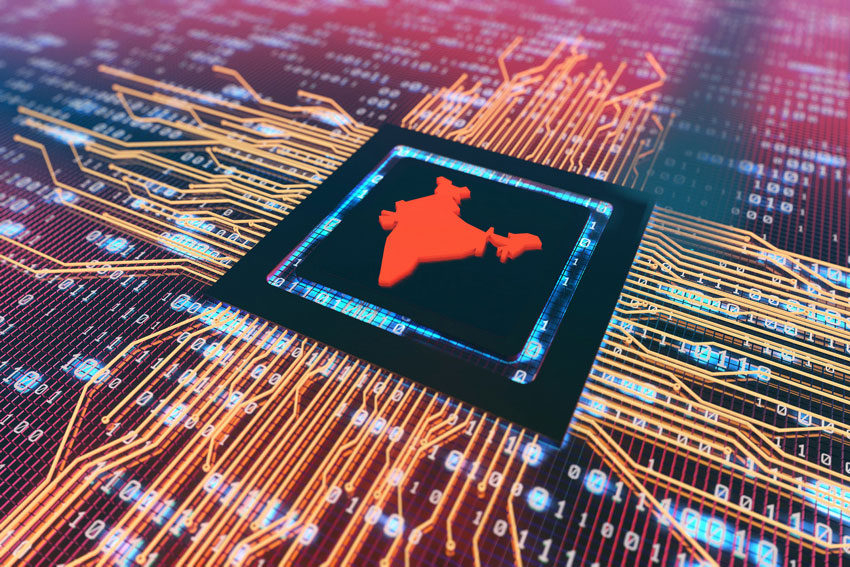
India's foray into the semiconductor industry has taken a significant leap forward with the Union Minister for Electronics and Information Technology, Ashwini Vaishnaw, highlighting the country's focus on talent development and the ambitious goal of designing the entire chip. Speaking at the World Economic Forum annual meeting, Mr. Vaishnaw provided insights into India's rapid progress in reshaping its semiconductor landscape, emphasizing the importance of collaboration with international institutions and the commitment to building a comprehensive semiconductor ecosystem.
Talent Development and Academic Collaboration.

In a bold move, India has forged partnerships with 104 universities in just 24 months to lay the foundation for talent development in semiconductor technology. This collaborative effort has involved a comprehensive overhaul of the course curriculum, aligning it with the latest industry trends and advancements. International collaborations, including ties with the University of Purdue, have been established to infuse global perspectives into India's semiconductor education.
Mr. Vaishnaw emphasized that India, with its vast pool of talent, particularly the nearly 3 lakh design engineers, is well-positioned for semiconductor development. These engineers play a crucial role in designing complex chips that are manufactured worldwide. The minister highlighted India's aim to nurture a complete semiconductor ecosystem, covering design capabilities as well as the software and hardware aspects of manufacturing
Complete Ecosystem Development

Under the semiconductor mission, India has set ambitious targets to develop 85,000 professionals, ranging from engineers with various degrees to technicians responsible for managing clean rooms and machinery. This holistic approach aims to cover every aspect of semiconductor manufacturing, ensuring a well-rounded and skilled workforce. By fostering talent at various levels, India seeks to create a sustainable ecosystem that can support innovation and growth in the semiconductor sector.
Global Collaboration and Trust Capital

Mr. Vaishnaw underlined the significance of trust as India's biggest capital in the global semiconductor landscape. He stated that the entire world has developed a substantial amount of trust in India's capabilities, leading to collaborations with the United States, Europe, and Japan. Memoranda of Cooperation have been signed with these major players, reflecting a commitment to shared goals and mutual progress in semiconductor technology.
Additionally, India is actively engaged with the South Korean government and companies, further expanding its global footprint in the semiconductor domain. These collaborations underscore the recognition of India's potential as a key player in the semiconductor industry.
Conclusion
India's semiconductor mission, spearheaded by Minister Ashwini Vaishnaw, reflects a comprehensive and forward-thinking approach to technology development. By focusing on talent development, curriculum redesign, and global collaboration, India is poised to become a significant player in the semiconductor industry. The commitment to building a complete ecosystem ensures that the country not only designs chips but also contributes to the entire spectrum of semiconductor manufacturing. As India continues to garner trust and collaboration on the global stage, the semiconductor mission stands as a testament to the country's determination to lead in the ever-evolving field of technology.
Uday India Bureau















Leave Your Comment