


In recent years, India has embarked on a transformative journey to bolster its military capabilities through indigenous innovation and manufacturing. Under the leadership of Prime Minister Narendra Modi, the government has introduced a series of reforms aimed at enhancing self-reliance in defence production. These initiatives are pivotal in shaping India's status as a formidable force in the global defence arena. Central to India's strategy is the revamped Defence Procurement Policy (DPP), which prioritises "Make in India" projects. This policy shift aims at reducing dependence on foreign imports and encouraging domestic production of defence equipment. By promoting indigenous manufacturing, India not only strengthens its defence industrial base but also stimulates economic growth and technological advancement. Illustrating this commitment are the dedicated defence corridors established in Uttar Pradesh and Tamil Nadu. These corridors serve as hubs for defence innovation and manufacturing, fostering an ecosystem conducive to collaboration between industry, academia, and the government. They play a crucial role in accelerating the development and production of cutting-edge defence The backbone of India's defence forces, the Indian Army, has witnessed significant modernisation strides. Advanced artillery systems such as the K9 Vajra-T and M777 ultra-light howitzers have been integrated, enhancing the Army's firepower and operational flexibility in challenging terrains like Ladakh and Arunachal Pradesh. These advancements underscore India's commitment to equipping its troops with state-of-the-art weaponry and equipment.
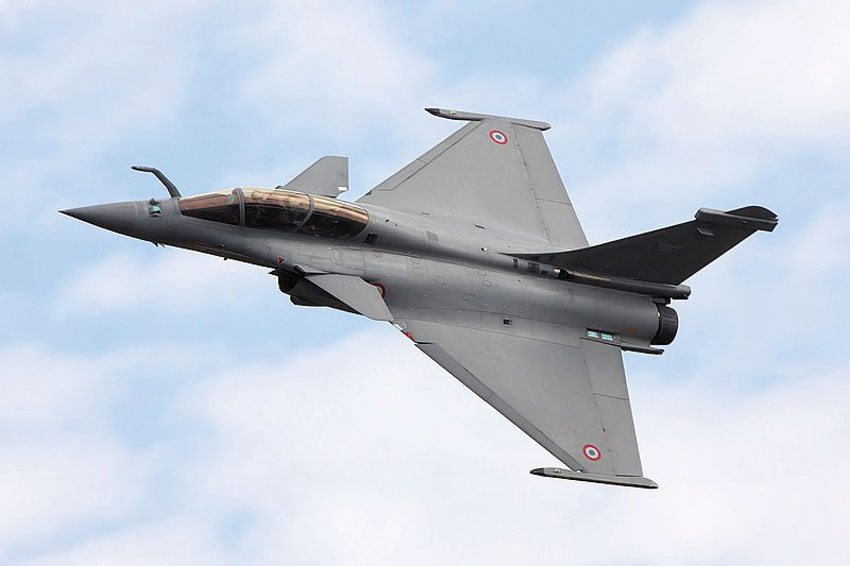
Against this backdrop, it is apt to mention here that as a maritime nation with expansive strategic interests, India has focused on strengthening its naval capabilities. The commissioning of INS Vikrant, India's first indigenous aircraft carrier, marks a watershed moment in the nation's maritime prowess. This achievement not only extends India's blue-water operational reach but also underscores its growing proficiency in shipbuilding and naval technology. The Indian Air Force (IAF) has undergone a remarkable transformation, bolstered by the induction of Rafale fighter jets. These aircraft, equipped with advanced avionics, weapons systems, and electronic warfare capabilities, provide the IAF with unmatched air superiority and strike capabilities. Additionally, the development and induction of the indigenously designed Light Combat Aircraft (LCA) Tejas highlight India's growing expertise in aerospace engineering and manufacturing. In conclusion, India's pursuit of self-reliance in defence production under the Modi government marks a significant paradigm shift in its military modernisation efforts. By promoting indigenous manufacturing, revamping procurement policies, and establishing dedicated defence corridors, India aims at strengthening its defence capabilities while fostering economic growth and technological innovation. These initiatives not only enhance India's security preparedness but also position the nation as a global leader in defence technology and manufacturing prowess. As India continues to advance on this path, its journey towards self-reliance in defence promises to reshape the dynamics of global military capabilities.

By Deepak Kumar Rath















Leave Your Comment