


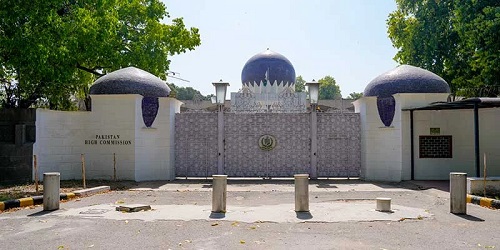
In a fresh escalation of tensions between India and Pakistan, New Delhi has reportedly stopped the supply of newspapers to the Pakistan High Commission in the capital, sources said on Monday. The move is seen as a reciprocal step following Pakistan’s alleged disruption of basic amenities for the Indian High Commission in Islamabad after the Indian Army’s recent Operation Sindoor.
According to sources, local authorities in Pakistan halted the delivery of newspapers to the Indian High Commission in Islamabad soon after Operation Sindoor — a cross-border strike targeting terror infrastructure. This disruption reportedly marked the beginning of a series of restrictions affecting Indian diplomats and their families in Islamabad.
In response, India decided to cut off newspaper supply to the Pakistan High Commission in New Delhi — a move symbolic of growing irritation within diplomatic circles over Pakistan’s treatment of Indian officials.
Reports from Islamabad suggest that Indian diplomats have been facing increasing difficulties in securing basic necessities. Sources allege that:
Piped gas supply to the High Commission has been cut, compelling staff to purchase costly gas cylinders from local markets.
Packaged drinking water delivery has been hindered, raising concerns over daily living needs.
Local newspaper delivery to diplomats’ residences has been halted.
Diplomatic observers believe these actions are deliberate attempts to inconvenience Indian officials and their families, potentially in retaliation for Operation Sindoor.
Experts in diplomatic law note that Pakistan’s alleged conduct could be a violation of the Vienna Convention on Diplomatic Relations (1961). The treaty obligates host nations to ensure the proper functioning of foreign embassies, protect diplomats from harassment, and provide access to essential utilities and communication channels.
“Any deliberate disruption of basic services to diplomatic staff not only undermines mutual respect but also breaches international norms,” said a retired Indian envoy.
India’s decision to halt newspaper supplies to the Pakistan High Commission appears to be a calculated tit-for-tat measure rather than a full-scale retaliation. While symbolic, it signals that India will respond proportionately to any perceived harassment of its diplomats abroad.
As of now, neither the Ministry of External Affairs in New Delhi nor Pakistan’s Foreign Office has officially commented on the reported developments.
This latest episode adds another layer of strain to already tense bilateral relations. Both countries remain locked in a cycle of diplomatic push-and-pull, with New Delhi reiterating its stance that it will respond firmly to provocations while maintaining adherence to international law.
Whether the standoff will escalate into further retaliatory measures remains to be seen, but the developments reflect a continuing hardening of attitudes on both sides.



















Leave Your Comment