


The United Arab Emirates (UAE) and neighboring Oman were recently struck by a ferocious storm, resulting in tragic consequences and significant disruptions to daily life. The aftermath of the deluge left a trail of destruction, claiming lives, flooding roads, and paralyzing Dubai's bustling international airport.
According to authorities, the death toll in the UAE rose to four, with two Philippine women, one man, and an Emirati man in his 70s losing their lives in separate incidents related to the flooding. The storm, which unleashed its fury on Oman before making its way to the UAE, marked the heaviest rainfall in 75 years of recorded history for the region.
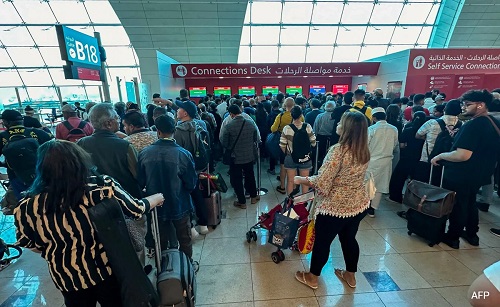
The repercussions of the tempest were not limited to loss of life; they extended to the critical infrastructure of the UAE. Dubai International Airport, renowned as one of the busiest hubs for air travel in the world, found itself grappling with a logistical nightmare as flights were delayed or canceled. The backlog persisted for three days post-storm, with flight operations hampered and check-ins suspended for transit passengers.
Emirates, the flagship carrier of the UAE, was forced to take measures to manage the chaos, limiting arrivals and canceling a significant portion of its flights. The ripple effects of the disruption were felt far and wide, impacting travelers with Dubai as a layover destination.
As of Friday morning, FlightRadar24 reported a staggering 1,478 flight cancellations, amounting to approximately 30% of all scheduled flights to and from Dubai. The ordeal underscored the vulnerability of even the most advanced transportation infrastructure in the face of nature's fury.
While Abu Dhabi's state carrier, Etihad, managed to restore normalcy to its flight operations, the roadways connecting Dubai and other emirates bore the scars of the deluge. Partial closures and waterlogged alternate routes compounded the challenges for commuters, with abandoned vehicles serving as grim reminders of the storm's intensity.
In the aftermath of the calamity, communities in the northern regions of the UAE, including Sharjah, grappled with the aftermath of the flooding. Reports emerged of residents trapped in their homes and widespread damage to businesses, highlighting the far-reaching impact of the disaster on local livelihoods.
The rarity of rainfall in the UAE, juxtaposed with the harsh desert climate synonymous with the region, accentuated the severity of the recent downpour. Climate scientists have pointed to the increasing frequency of extreme weather events worldwide, attributing them to human-induced climate change.
Looking ahead, the UAE's National Center of Meteorology has issued forecasts indicating the possibility of further rainfall in the coming days. While the intensity is expected to vary, the looming specter of heavy rain poses continued challenges for communities already reeling from the recent deluge.
As the UAE grapples with the aftermath of this natural calamity, the events of the past week serve as a sobering reminder of the fragility of life and infrastructure in the face of nature's wrath. It also underscores the urgent need for concerted global efforts to mitigate the impacts of climate change and build resilience in vulnerable regions.


















Leave Your Comment