


In a strategic move following the suspension of the Indus Waters Treaty (IWT) due to recent geopolitical tensions, the Indian government is contemplating significant expansions to harness water resources more effectively, particularly from the Chenab river.
The decision comes in the aftermath of the Pahalgam terror attack on April 22, which claimed the lives of 26 individuals, predominantly tourists, prompting India to place the treaty in abeyance. This move underscores India's stance, demanding credible action from Pakistan to halt cross-border terrorism.
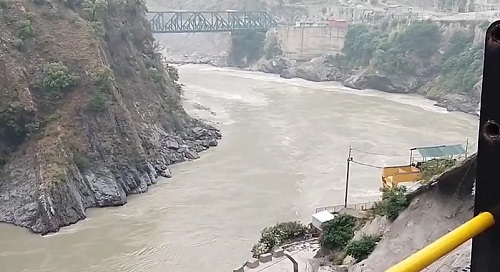
Historically, India's utilization of the Chenab river has been limited mainly to irrigation purposes under the provisions of the Indus Waters Treaty. However, with the treaty now suspended, there is a renewed emphasis on maximizing the use of these waters, especially for power generation to meet escalating energy demands.
A senior government official highlighted plans to enhance India’s hydropower generation capacity, currently standing at approximately 3,000 megawatts across various rivers previously allocated to Pakistan. A feasibility study is also in the pipeline to explore these opportunities further.
Central to the expansion strategy is the proposed extension of the Ranbir canal, increasing its length to 120 kilometers. This extension aims to augment the canal's capacity to channel water from the Chenab more efficiently across the region. The government has stressed the urgency of this infrastructure development, urging all stakeholders to expedite the implementation process.
Simultaneously, efforts have commenced to desilt several other canals, including those in Kathua, Ravi, and Paragwal, in preparation for enhanced water flow and utilization.
The Indus Waters Treaty, mediated by the World Bank in 1960, allocates the waters of the Indus river system between India and Pakistan. It categorizes the rivers into eastern (Ravi, Beas, and Sutlej) and western (Indus, Jhelum, and Chenab) rivers, delineating usage rights primarily for irrigation and limited power generation.
India's recent decision to suspend the treaty underscores its commitment to safeguarding national interests and responding decisively to security challenges originating from across the border.
The proposed expansions and strategic initiatives underscore India's proactive approach to water resource management amid evolving geopolitical dynamics. As plans for the Ranbir canal expansion and other infrastructure developments take shape, they are poised to significantly enhance India's capacity to harness the Chenab river's potential for both irrigation and hydropower generation.
This move signals a pivotal shift in India’s water resource strategy, aimed at leveraging available resources more effectively in the wake of critical national security concerns.















Leave Your Comment