


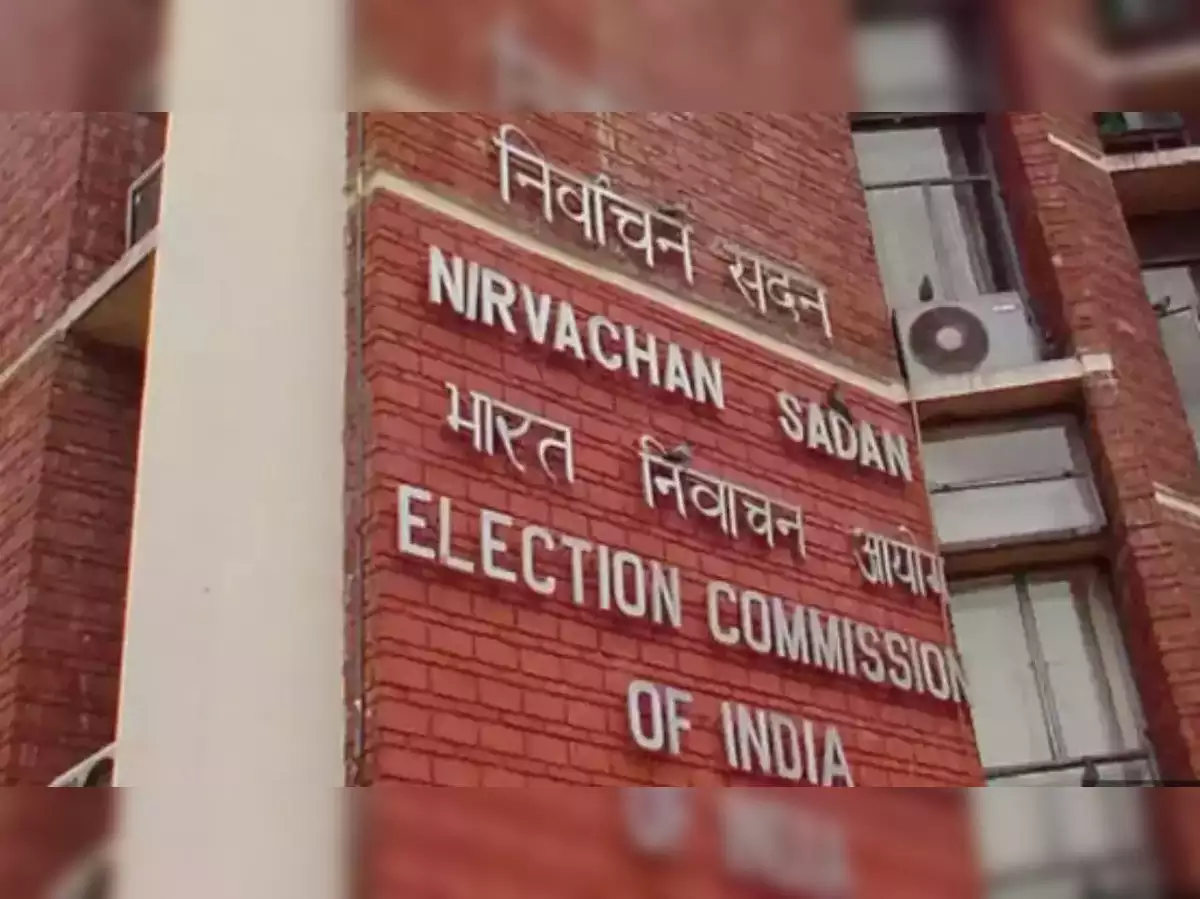
In response to widespread criticism from opposition parties and concerns raised by various stakeholders, the government has introduced key amendments to the Chief Election Commissioner and other Election Commissioners Bill, 2023. The amendments address contentious issues surrounding the status, salary, and conditions of service of the top officials in the Election Commission, seeking to strike a balance between independence and accountability.
The initial version of the bill, presented by Union Law Minister Arjun Ram Meghwal in the Rajya Sabha, proposed aligning the salary and conditions of service of the Chief Election Commissioner (CEC) and Election Commissioners (ECs) with that of the Cabinet Secretary rank. This move drew sharp criticism from the opposition, with accusations that the government was attempting to undermine the autonomy of the Election Commission and transform it into a tool under the Prime Minister's control.
The revised bill now maintains the status of the top three Election Commission officers on par with Supreme Court judges. The amendments stipulate that the CEC and other commissioners shall be paid a salary equivalent to that of a judge of the Supreme Court, reflecting a commitment to ensuring their independence.
Furthermore, a significant change involves the composition of the search committee responsible for recommending candidates for the positions of CEC and ECs. In the earlier version, the Cabinet Secretary was designated to lead the search committee. However, in the amended bill, this responsibility has been transferred to the Union Law Minister, potentially addressing concerns about executive interference.
Despite the amendments, some aspects of the bill remain contentious. The government has retained the provision replacing the Chief Justice of India with a Union Cabinet Minister in the selection committee. This move has been criticized by the opposition, as it departs from the Supreme Court's suggestion, made in March of the same year, that the selection committee should include the Prime Minister, Leader of Opposition in Lok Sabha, and the Chief Justice of India.
The Supreme Court's directive aimed to safeguard the appointment process of top election officers from potential executive interference. However, the government's decision not to alter this provision indicates a persistent disagreement between the legislative and judicial branches over the ideal composition of the selection committee.





















Leave Your Comment