


The sudden and tragic death of Iranian President Ebrahim Raisi in a helicopter crash on May 19, 2024, has profound implications for both Iran’s domestic politics and the broader geopolitical landscape. This unexpected event, which also claimed the life of Foreign Minister Hossein Amir-Abdollahian, has introduced a significant degree of uncertainty in an already volatile region. Here, we explore the immediate and long-term geopolitical consequences of this incident.
Domestic Implications
Political Vacuum and Leadership Struggle
The death of President Raisi creates an immediate power vacuum in Iran's political hierarchy. Raisi, a hardline conservative with deep connections within the judiciary and religious elite, was seen as a potential successor to Supreme Leader Ayatollah Ali Khamenei. His death removes a key figure from the succession line, potentially leading to internal power struggles within the conservative factions of Iran’s political establishment.
Impact on Government Stability
Raisi’s presidency was marked by a hardline stance on many issues, both domestic and international. With his sudden departure, Iran may face a period of instability as different factions vie for control. The appointment of an interim president and subsequent elections could shift the balance of power, potentially leading to a realignment of political forces within the country.
Economic Uncertainty
The Iranian economy, already under strain from international sanctions and internal mismanagement, may suffer further. The uncertainty surrounding political leadership can deter foreign investment and exacerbate economic woes, increasing public dissatisfaction and potentially sparking unrest.
Regional Implications
Power Dynamics in the Middle East
Iran is a key player in Middle Eastern geopolitics, and any change in its leadership can significantly affect regional power dynamics. Raisi’s death might embolden Iran’s regional adversaries, such as Saudi Arabia and Israel, who may see this as an opportunity to push back against Iranian influence in Syria, Lebanon, Yemen, and Iraq. Conversely, Iranian proxies and allies might act more aggressively to consolidate power and compensate for perceived vulnerabilities.
Nuclear Negotiations and International Relations
Raisi’s administration was known for its staunch position on Iran’s nuclear program. His death could either pave the way for a more conciliatory approach or, alternatively, lead to increased hardline policies if his successor seeks to prove their strength. The future of the Joint Comprehensive Plan of Action (JCPOA) is now more uncertain, potentially affecting negotiations with Western powers and altering the course of U.S.-Iran relations.
Impact on Iran’s Strategic Partnerships
Raisi had been working to strengthen ties with countries like China and Russia. The instability following his death might slow down these efforts as the new leadership reassesses its foreign policy priorities. This could have a ripple effect on Iran’s strategic partnerships, influencing regional security and economic projects.
Global Implications
Energy Markets
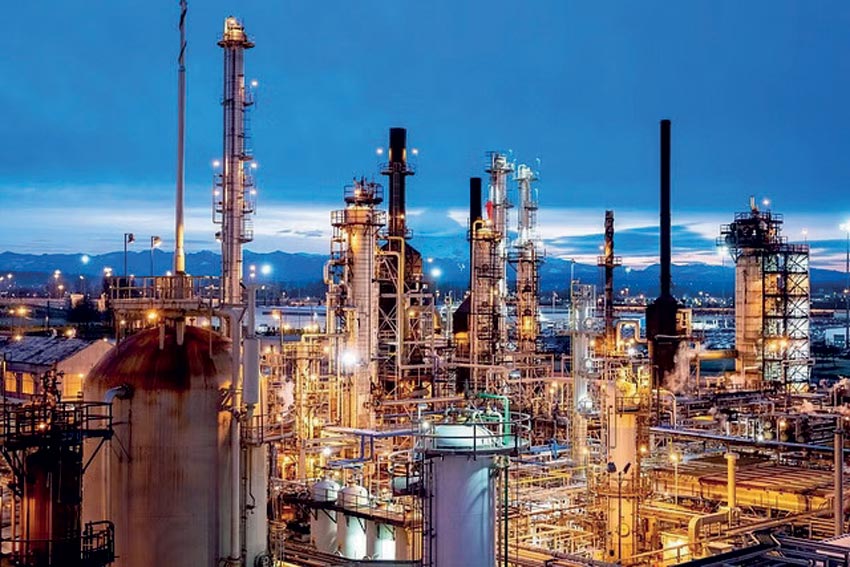
Iran is a major oil producer, and political instability in Tehran often leads to fluctuations in global oil prices. The uncertainty regarding Iran’s future leadership and policies could lead to volatility in energy markets, affecting global oil supply and prices. This is particularly significant given the ongoing energy transition and the delicate balance of global energy supplies.
International Security
The potential for increased internal unrest and aggressive foreign policy moves by Iran could heighten international security concerns. There is a risk of escalating conflicts, particularly in the Persian Gulf, which is a crucial chokepoint for global oil shipments. Any perceived threat to the security of this region can have far-reaching consequences for international security and economic stability.
Long-Term Geopolitical Shifts
Reassessment of Middle Eastern Policies
Countries around the world may need to reassess their Middle Eastern policies in light of this new development. The United States, in particular, might have to reconsider its strategy towards Iran, balancing between deterrence and engagement. European nations, which have been more inclined towards diplomatic solutions, might also recalibrate their approach depending on Iran’s internal developments and the stance of its new leadership.
Influence on Global Alliances
The realignment of power within Iran could influence global alliances. Countries like Russia and China, which have strategic partnerships with Iran, may find themselves navigating a new political landscape. Their approach to Iran could shift depending on how the new leadership aligns with or diverges from Raisi’s policies .
By Nilabh Krishna
(The content of this article reflects the views of writers and contributors, not necessarily those of the publisher and editor. All disputes are subject to the exclusive jurisdiction of competent courts and forums in Delhi/New Delhi only)



















Leave Your Comment