


A fresh political controversy has erupted over participation in Garba events during Navratri, after the Vishva Hindu Parishad (VHP) called for restrictions on Muslim entry. The demand has triggered competing arguments over religious identity, cultural traditions and communal harmony. Actor Shreyas Talpade has backed the idea of people celebrating festivals together, while Maharashtra minister Nitesh Rane has argued that restrictions are necessary, citing allegations linked to what he describes as “love jihad”. The dispute has now moved beyond festival security and arrangements, becoming part of a larger political debate over who can participate in public religious celebrations.
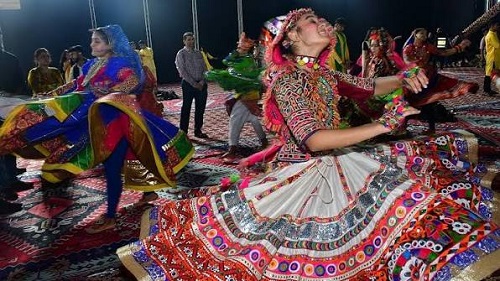
Garba events have traditionally attracted large crowds and have increasingly become major public celebrations during Navratri. The VHP’s demand to restrict Muslim participation has, however, brought the question of religious participation into sharp focus.
Supporters of restrictions argue that religious events should retain their specific cultural and religious character and that organisers have the right to establish entry rules. The debate has also been linked by some political voices to concerns about identity verification and alleged attempts by individuals to enter events using Hindu names.
Actor Shreyas Talpade has taken a different view, stressing that Indians have historically celebrated festivals together. He said people should continue that tradition rather than allowing religious divisions to determine participation.
Talpade also characterised the controversy as largely a political question and said that he personally enjoys celebrating festivals across communities. His remarks have added a prominent public voice to those arguing that festivals can serve as occasions for social interaction rather than separation.
Maharashtra minister Nitesh Rane has opposed Muslim participation in Garba events, presenting the issue primarily through the lens of religious identity and alleged security concerns.
Rane has alleged that some people enter Garba venues using Hindu names and subsequently become involved in cases that he describes as “love jihad”. Based on these allegations, he has argued in favour of restrictions and questioned why individuals should participate in religious celebrations associated with another community.
He has also drawn comparisons with participation in religious events organised by other communities, arguing that similar standards should apply across faiths.
At the heart of the controversy are competing visions of public religious celebrations. One side argues that cultural and religious events require safeguards to protect their character and prevent alleged misuse. The other believes that excluding people solely on the basis of religion risks weakening India’s tradition of shared festivals.
The reference to “love jihad” has further intensified the debate, turning a question about festival entry into a politically charged discussion about interfaith relationships, religious identity and alleged organised activity.
As Navratri approaches, the controversy is therefore unlikely to remain confined to Garba organisers. It has become another flashpoint in the larger political conversation over religious participation, communal harmony, cultural identity and the boundaries of public celebration in India.



















Leave Your Comment